
YamunaRejuvenation – Delhi Accelerates River Restoration and Floodplain Revival Efforts
YamunaRejuvenation – Delhi Lieutenant Governor Taranjit Singh Sandhu has called for a coordinated and result-oriented strategy to strengthen flood preparedness, river restoration, groundwater recharge, and environmental sustainability while reviewing the progress of ongoing Yamuna rejuvenation projects with the Delhi Development Authority (DDA).
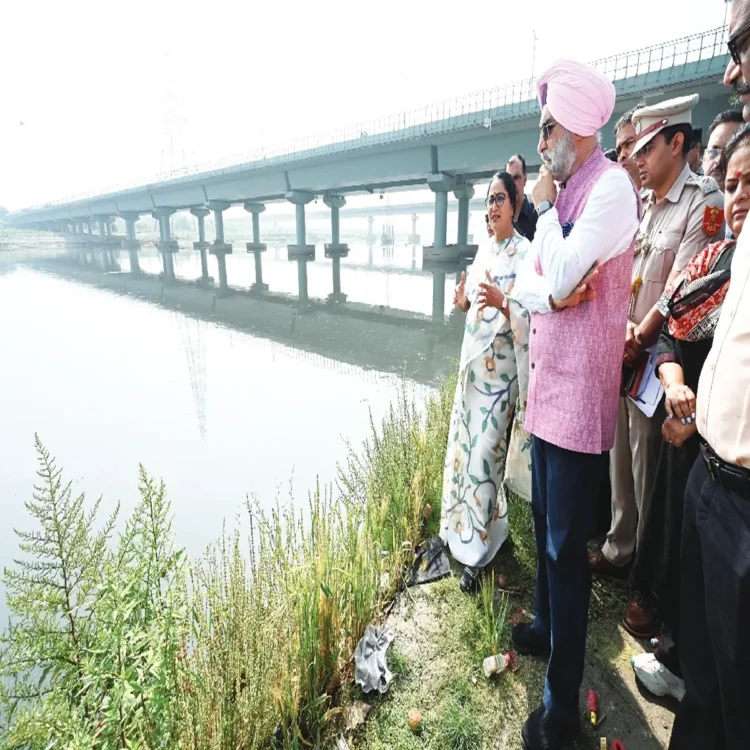
Focus on Faster Implementation of Restoration Projects
During a review meeting on the Action Taken Report related to Yamuna restoration, the Lieutenant Governor instructed officials to speed up work across the river’s floodplain areas. He emphasized the importance of completing key projects within prescribed timelines to ensure long-term ecological benefits and effective flood management.
Officials informed the meeting that restoration and riverfront development activities have already been completed across nearly 1,700 hectares of the Yamuna floodplains. These efforts form part of a broader plan aimed at improving the ecological health of the river and enhancing public access to restored natural spaces.
Large-Scale Cleanup and Land Recovery Achievements
Authorities presented details of extensive cleanup operations carried out in the floodplain region. According to officials, approximately 88,574 metric tonnes of construction and demolition debris have been removed from the area. In addition, nearly 4,998 metric tonnes of municipal waste have also been cleared.
The restoration drive has resulted in the recovery and protection of around 1,425 acres of floodplain land. Officials said these areas have been reclaimed, rehabilitated, and secured against future encroachments, helping preserve valuable ecological zones along the river corridor.
Expansion of Native Vegetation and Wetland Ecosystems
The review meeting also highlighted the environmental restoration measures undertaken by the DDA. Officials reported that more than 700,000 native trees have been planted across the floodplain ecosystem as part of ongoing greening efforts.
Additionally, over 10 million riverine grasses and wetland plant species have been introduced to strengthen natural habitats and improve biodiversity. These measures are expected to support ecological balance while enhancing the resilience of the river environment.
Wetlands Created to Support Groundwater Recharge
A significant component of the restoration programme has been the development of wetlands along the Yamuna corridor. Officials stated that 35 wetlands have been created with a combined water-holding capacity of nearly 1,420 million litres.
These wetlands are designed to improve groundwater recharge, support wildlife habitats, and strengthen the floodplain’s natural capacity to absorb and moderate flood impacts. Authorities believe these interventions will contribute to a healthier and more sustainable river ecosystem over the long term.
Ecological Destinations Transform Formerly Degraded Areas
The Lieutenant Governor also reviewed progress on ecological destinations developed along different stretches of the river corridor. Officials explained that several neglected and underutilized locations have been transformed into restored ecological assets and public recreational spaces.
These projects are intended to promote environmental awareness while providing residents with improved access to natural landscapes within the city.
Plans Advance for Revival of Historic Yamuna Ghats
Another major focus of the review was the proposed restoration of 32 historic ghats located in the Yamuna Bazar area. The Lieutenant Governor stressed the importance of preserving these culturally significant sites and developing them as public and heritage destinations.
Officials informed the meeting that a study conducted by INTACH has recommended conservation-based restoration measures, landscape improvements, better pedestrian access, and enhanced visitor facilities. The Yamuna Bazar revitalisation project is being implemented in coordination with multiple agencies, with preparatory work for phased restoration expected to begin within the next six months.