
Wildlife – Gir Authorities Intensify Monitoring After Lion Cub Deaths
Wildlife – Forest and wildlife officials in Gujarat have stepped up disease-control efforts across the Gir landscape after eight lion cubs died in cases suspected to be linked to babesiosis, a parasitic illness spread through ticks. Authorities said no additional deaths associated with the suspected infection have been reported during the past two days, offering some relief as monitoring operations continue across affected areas.
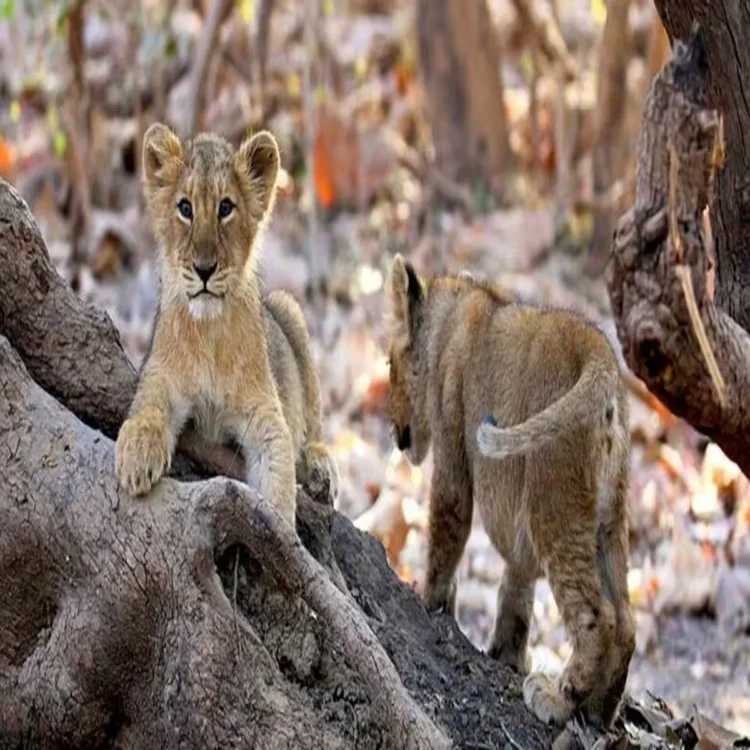
Investigation Into Cause of Deaths Continues
The deaths were reported from revenue regions located outside the protected boundaries of the Gir sanctuary, mainly in Gir Gadhada taluka and parts of Amreli district’s Babarkot area. To determine the exact cause, biological samples collected from the cubs have been sent for laboratory analysis at the Gujarat Biotechnology Research Centre. Officials expect the findings to be available within the next few days.
State Forest and Environment Minister Arjun Modhwadia said that while eight cub deaths have been identified in suspected cases, final confirmation will depend on scientific examination of the samples. Until the laboratory results arrive, authorities are treating the cases with caution.
Preventive Measures Expanded Across the Region
According to officials, emergency response teams from the forest department and veterinary experts from Junagadh Veterinary College were deployed immediately after reports of the deaths emerged. Surveillance activities have since been strengthened across vulnerable zones.
As part of precautionary measures, lions located within a 10-kilometre radius of the affected areas are being closely monitored. Wildlife health teams are also conducting extensive de-ticking operations throughout Gir and adjoining regions to reduce the risk of disease transmission.
The minister stated that no new suspected cases linked to the infection have been recorded during the past 48 hours and described the overall situation as stable and under control.
Understanding the Suspected Disease
Babesiosis is a parasitic disease transmitted through ticks. The infection affects red blood cells and may lead to symptoms such as weakness, coughing, nasal discharge and severe anaemia in animals. Early detection and treatment are considered essential to prevent complications and limit its spread among wildlife populations.
Forest department sources said that disease-control efforts currently include treatment programmes, vaccination initiatives and large-scale de-ticking campaigns aimed at protecting lions and other wildlife in the region.
Other Lion Deaths Linked to Different Causes
Officials clarified that not every recent lion death in the region is believed to be connected to the suspected infection. Some cases have reportedly been attributed to natural causes, including old age, existing illnesses and territorial conflicts among lions.
Modhwadia noted that occasional deaths resulting from infighting and ageing are not uncommon within wild lion populations. He reiterated that no fresh deaths suspected to be associated with babesiosis have been recorded in the last two days.
Government Closely Monitoring Situation
The Gujarat government is maintaining close oversight of the developments. The minister said that Chief Minister Bhupendra Patel and officials from the Chief Minister’s Office are regularly reviewing the situation. Authorities have also indicated that additional support from wildlife specialists and the Union government may be sought if necessary.
The incident has renewed attention on wildlife disease management in the Gir ecosystem, which remains the world’s only natural habitat of the Asiatic lion. Concerns are particularly significant because a notable disease outbreak in 2018 led to the deaths of more than 20 lions in the region.
Growing Lion Population Raises Management Challenges
The latest lion census conducted in 2025 recorded 891 Asiatic lions in Gujarat. A growing share of the population now inhabits areas beyond protected forests within the Greater Gir landscape, increasing the importance of coordinated wildlife monitoring and health management efforts.
Officials continue round-the-clock surveillance in forest ranges and nearby revenue areas as a precaution while awaiting laboratory confirmation regarding the recent cub deaths.