
H1N1 – Karnataka Reports Swine Flu Fatality Amid Rising Health Vigil
H1N1 – A 41-year-old man from Karnataka’s Uttara Kannada district has died after contracting H1N1 influenza, commonly known as swine flu, according to media reports. The patient was admitted to a private hospital in Mangaluru on Sunday, where he later passed away during treatment. The case has prompted health authorities to strengthen surveillance measures, particularly as concerns over infectious diseases remain high in neighboring Kerala due to recent reports of Shigella and Nipah virus cases. As a precaution, officials have begun monitoring individuals who were in close contact with the deceased to reduce the risk of further transmission.
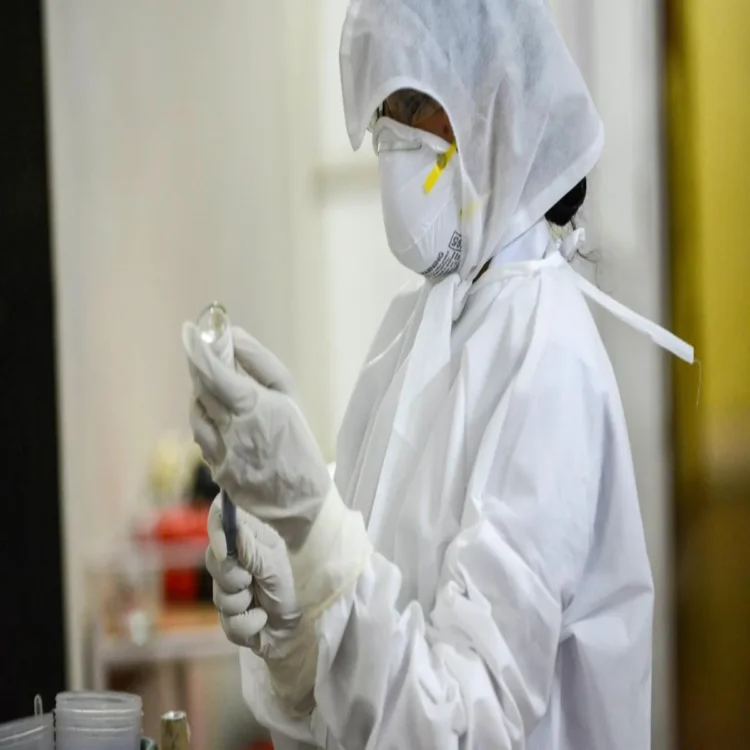
Health Department Intensifies Contact Monitoring
Following the reported death, state health officials initiated contact tracing efforts to identify and observe family members and others who may have been exposed to the virus. Authorities stated that anyone showing symptoms associated with influenza will be advised to seek immediate medical attention. Public health teams are also keeping a close watch on developments to ensure that any potential spread is detected at an early stage. Experts emphasize that timely diagnosis and treatment remain important tools in limiting complications linked to H1N1 infection.
Understanding the Nature of H1N1 Infection
Medical specialists explain that H1N1 is a subtype of the Influenza A virus and is known for spreading rapidly among people. Although it gained global attention during the 2009 pandemic, it is now considered one of the strains responsible for seasonal flu outbreaks. Cases continue to appear periodically, particularly during weather changes and seasonal transitions. While many infections remain mild, health professionals warn that certain patients can develop serious complications affecting the lungs, heart, and other organs.
How the Virus Spreads Among People
The virus primarily spreads through respiratory droplets released when an infected person coughs, sneezes, or talks. Infection may also occur when individuals touch contaminated surfaces and then touch their eyes, nose, or mouth without proper hand hygiene. According to doctors, crowded places and poorly ventilated indoor environments can increase the likelihood of transmission. Because of its contagious nature, public awareness and preventive behavior play a significant role in reducing infection rates.
Common Symptoms Often Resemble Seasonal Flu
One of the challenges associated with H1N1 is that its early symptoms often look similar to those of ordinary influenza. Patients may experience fever, cough, sore throat, runny nose, headache, body aches, and fatigue. In some cases, nausea, vomiting, or diarrhea may also occur. Health experts note that this similarity can lead some individuals to delay medical consultation, increasing the risk of complications. Early recognition of symptoms and prompt healthcare advice can help improve outcomes.
High-Risk Groups Advised to Take Extra Precautions
Doctors caution that certain groups face a greater risk of severe illness from H1N1 infection. Pregnant women, older adults, young children, and individuals with weakened immune systems are considered particularly vulnerable. People living with chronic conditions such as diabetes, heart disease, or respiratory disorders may also experience more serious complications. In severe cases, patients can develop pneumonia, breathing difficulties, and conditions that require hospitalization. Experts recommend maintaining good hygiene practices, washing hands regularly, covering the mouth and nose while coughing or sneezing, and using masks when feeling unwell to help reduce the spread of infection.