
Wildlife – Elephant and Leopard Movements Raise Alarm in Chittoor, Tirupati
Wildlife –Residents and farmers in parts of Chittoor and Tirupati districts are grappling with growing anxiety as frequent sightings of wild elephants and leopards near settlements have led to crop destruction and safety concerns.
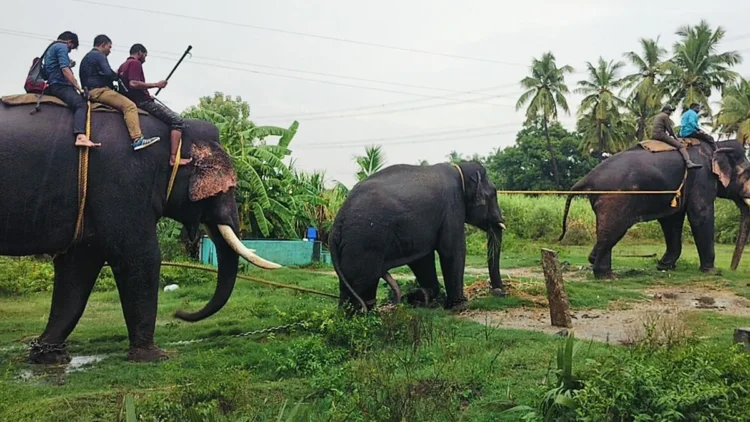
Seasonal Stress Driving Wildlife Closer to Villages
Forest authorities explain that the ongoing summer period often creates pressure on wildlife due to reduced water availability and limited food sources inside forest areas. As a result, animals are increasingly venturing out into nearby villages and farmland in search of sustenance. Officials estimate that at least three elephant herds and more than 50 leopards are currently moving through forest zones in the region.
In the Kuppam constituency, particularly in mandals such as Kuppam, Ramakuppam, and Gudipalli near the Tamil Nadu border, farmers have faced repeated incursions by elephant herds over the past two months. These animals have entered agricultural lands multiple times, damaging crops including paddy, sugarcane, mango plantations, groundnut, and vegetables. The repeated losses have put significant financial strain on farming communities.
Elephant Movement Disrupts Daily Life
A similar pattern has been observed in parts of Tirupati district, especially in Chandragiri mandal. Areas stretching from Rangampeta to Pulicherla, along with villages like Kalluru, Pulicherla, and Rompicherla, have reported regular elephant movement. Regions along the Bhakarapet Ghat Road and nearby forest-linked villages such as Chandragiri–Bheemavaram have also experienced frequent visits from a lone elephant and a roaming herd.
Officials noted that these elephants have repeatedly crossed the Anantapur-Chennai National Highway near Bhakarapet. On several occasions, the animals have stood on the roadway, forcing vehicles to stop and disrupting traffic. Bus drivers and other commuters have had to wait until the animals moved away, highlighting the risks posed to both humans and wildlife.
Rising Leopard Sightings Near Settlements
Apart from elephants, leopard sightings have added to the concerns in both districts. About two weeks ago, a leopard was found caught in a fence near the Doddipalli forest region in Chittoor district and later died. Since then, nearby villagers have reported hearing roars during nighttime, raising fears that another leopard may still be present in the area.
In Tirupati, reports suggest that a leopard has been moving near institutional zones around Zoo Park Road. Recently, it was said to have attacked a stray dog near the Peruru substation and carried it away. This incident has heightened concern among residents living in nearby areas such as GOs Colony, the Veterinary University campus, and surrounding neighborhoods, particularly during night hours.
Forest Department Intensifies Monitoring Efforts
Forest officials have responded by increasing surveillance activities. According to Chittoor District Forest Officer G Subburaju, teams are using thermal drone cameras during night patrols to detect any animal movement. He stated that while reports from villagers are being taken seriously, no confirmed new leopard activity has been recorded so far.
Authorities emphasized that wildlife should ideally remain within its natural habitat, and situations requiring human intervention or rescue operations should be minimized.
Calls for Preventive Measures Grow Stronger
As incidents of crop damage increase and fear spreads among residents, local communities are urging the forest department to introduce stronger preventive strategies. Farmers and villagers have called for measures to reduce human-wildlife encounters, especially during the peak summer months when such conflicts tend to rise.
Tirupati Forest Range Officer Sudharshan Reddy confirmed that alerts have been issued to residents and nearby institutions, advising them to remain vigilant and take precautions.
The situation continues to highlight the growing challenge of balancing wildlife conservation with human safety, particularly in regions where forests and settlements exist in close proximity.