
BangladeshDebt – Rising Repayment Burden Challenges Government Budget Planning
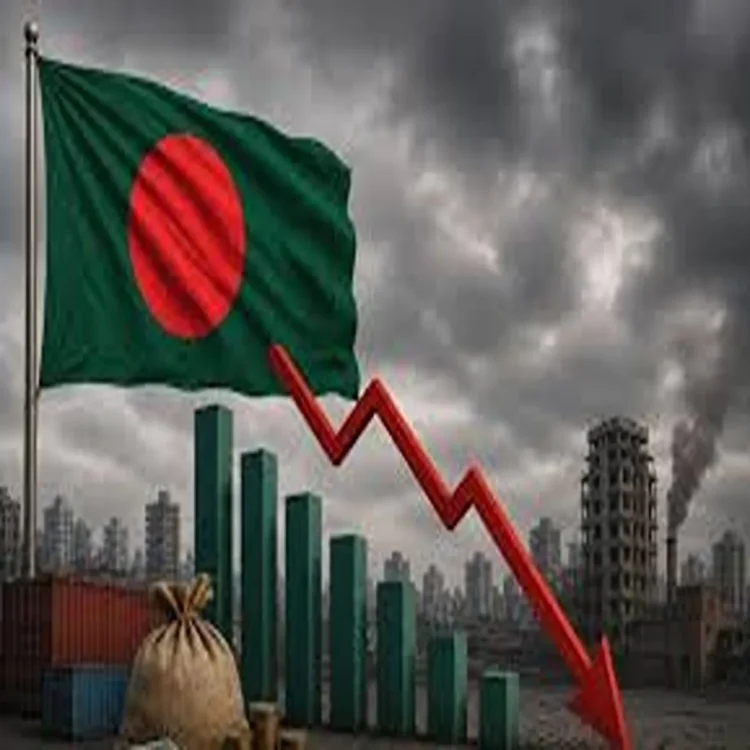
BangladeshDebt – Bangladesh is facing growing financial pressure as increasing debt repayment commitments become a major concern for the government while preparing its first national budget under the BNP-led administration. The challenge has gained greater attention after the International Monetary Fund (IMF) revised the country’s debt risk assessment, moving Bangladesh from the low-risk category to a moderate-risk classification. The change reflects concerns about the country’s rising debt burden and its ability to manage future repayment obligations.
IMF Highlights Worsening Debt Indicators
According to a report published by The Daily Star, the IMF’s latest debt sustainability assessment pointed to a decline in several key financial indicators. These include the overall volume of debt, debt servicing costs compared with economic output, export earnings, and government revenue collection. The revised assessment suggests that Bangladesh’s fiscal position has become more vulnerable than in previous years.
The report noted that the speed at which debt servicing costs are increasing has become a central concern. Debt servicing includes both the repayment of borrowed funds and the interest charged on those loans. As these costs continue to climb, they are placing additional pressure on public finances.
Debt Repayment Costs Expected to Rise Further
IMF projections indicate that Bangladesh will face significantly higher repayment obligations over the coming years. Total debt servicing expenses are expected to increase from $26.63 billion in fiscal year 2025 to approximately $30.59 billion in fiscal year 2026. The figure is projected to rise even further, reaching $33.84 billion in fiscal year 2027.
At the same time, public debt has continued to grow. The IMF estimated that Bangladesh’s total public debt stood at $188.79 billion during fiscal year 2024-25, equivalent to around 41 percent of the country’s gross domestic product (GDP). This represents an increase from roughly 39 percent recorded a year earlier.
Revenue Pressure Raises Medium-Term Risks
The IMF has also expressed concern about the country’s debt service-to-revenue ratio. A larger share of government income is now being directed toward debt repayments, including interest expenses. According to the assessment, this trend could create refinancing challenges in the coming years if revenue growth fails to keep pace with repayment demands.
Traditionally, Bangladesh was able to fund part of its development spending through surplus revenue. However, recent fiscal trends show a different picture. The government has increasingly relied on borrowing not only for development projects but also to finance routine operating expenditures.
Borrowing Used to Cover Budget Gaps
The deterioration in fiscal conditions has accelerated over the past few years. During fiscal year 2022-23, government revenue fell short of covering operating expenses by Tk 463 crore. To bridge the gap, authorities turned to additional borrowing.
The situation worsened in fiscal year 2024, when the shortfall expanded to Tk 3,630 crore. By the following fiscal year, borrowing had become necessary to finance the entire Annual Development Programme (ADP), which serves as the government’s primary mechanism for funding public-sector development projects.
Legacy Loans Add to Financial Strain
A substantial portion of the current pressure is linked to borrowing undertaken in previous years. Many of these loans carried higher interest rates and shorter repayment grace periods than concessional financing typically offered by development partners. In addition, several large infrastructure projects financed through external borrowing have not generated the expected boost in government revenue.
The IMF also cautioned that continued dependence on domestic bank borrowing could create additional challenges. Increased government borrowing from banks may reduce the availability of credit for private businesses, potentially affecting investment and economic activity while adding stress to the broader financial system.