
Citizenship – Trump Signs New Executive Orders Targeting Birth Tourism and Eligibility Rules
Citizenship –President Donald Trump has signed two fresh executive orders aimed at tightening rules around birth tourism and expanding the categories of people who may be denied birthright citizenship documents. The move comes only weeks after the US Supreme Court rejected an earlier attempt by the administration to limit birthright citizenship, setting up another likely legal battle over the constitutional issue.
New Orders Focus on Birth Tourism
The first executive order is designed to curb what the administration describes as commercial birth tourism. Under the new policy, authorities will seek to prevent individuals from entering the United States if they are believed to be traveling primarily to give birth so their child can obtain US citizenship. The administration argues that organized birth tourism has developed into a commercial enterprise that exploits existing immigration laws.
A separate executive order broadens the list of individuals whose children could face restrictions related to birthright citizenship documentation. Among those identified are children born to foreign nationals who represent or lobby on behalf of foreign governments. The order also identifies additional categories that the administration believes should not qualify under existing citizenship rules.
Supreme Court Decision Remains a Major Obstacle
The executive actions follow a significant ruling by the US Supreme Court on June 30, when the justices struck down Trump’s earlier executive order seeking to end automatic birthright citizenship. The decision reaffirmed the long-standing constitutional interpretation that nearly everyone born on US soil is entitled to American citizenship under the Fourteenth Amendment.
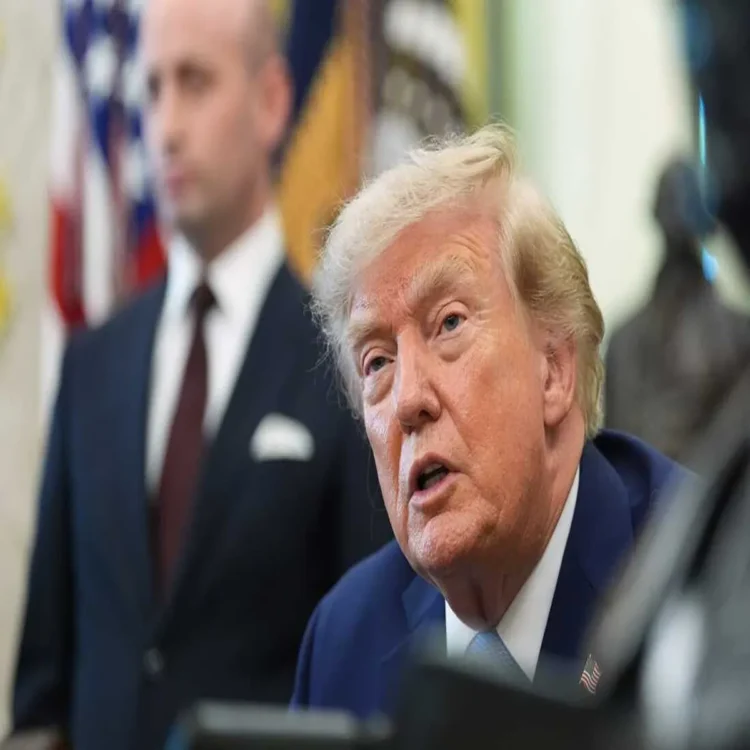
Speaking to reporters in the Oval Office after signing the new orders, Trump criticized the court’s ruling, describing it as disappointing. He said the latest executive actions were intended to make what he called necessary adjustments following the judicial setback.
The president was joined during the announcement by senior administration officials, including Deputy Chief of Staff Stephen Miller, Commerce Secretary Howard Lutnick, US Trade Representative Jamieson Greer and White House Staff Secretary Will Scharf.
Administration Defends the Policy Shift
Trump argued that the Fourteenth Amendment, ratified in 1868 following the Civil War, was originally intended to protect the rights of formerly enslaved people and ensure citizenship for their children. He claimed that current immigration practices differ significantly from the historical circumstances surrounding the amendment’s adoption.
Stephen Miller, a key architect of the administration’s immigration agenda, defended the executive orders by alleging that some foreign visitors misuse tourist visas to give birth in the United States. According to Miller, this practice provides children with automatic citizenship and access to benefits and legal rights intended for American citizens.
Categories Listed in the Executive Orders
One of the executive orders outlines several situations in which citizenship-related documents may be restricted. These include children born after their mothers entered the United States through what the administration describes as a commercial arrangement specifically intended for childbirth.
The order also mentions children of individuals associated with terrorist organizations, children of certain foreign government employees, and children born in US territories where federal law does not automatically grant citizenship.
Legal Experts Challenge Constitutional Basis
Immigration lawyers and civil rights advocates quickly questioned the legality of the executive actions. New York immigration attorney Cyrus Mehta argued that the language concerning commercial birth arrangements is overly broad and inconsistent with the protections provided by the Fourteenth Amendment. He said the wording lacks clarity and is likely to face constitutional challenges in court.
The American Civil Liberties Union also criticized the administration’s latest move, stating that the Supreme Court has already reaffirmed constitutional protections for birthright citizenship. The organization indicated that any executive action attempting to limit those protections is expected to face further legal scrutiny.
Birth Tourism Figures Remain Under Debate
Data cited by the Migration Policy Institute suggest that annual birth tourism estimates vary considerably. The institute’s broader census-based assessment places the number of births linked to birth tourism between 22,000 and 26,000 each year. However, official government figures recorded approximately 9,600 births in 2024 to mothers who listed foreign addresses, illustrating the uncertainty surrounding the scale of the practice.