
Weather – Unseasonal April Chill Brings Rain and Strong Winds to Delhi
Weather – Unusual weather conditions brought a noticeable chill to Delhi on Wednesday, as gusty winds and intermittent light rain kept temperatures far below typical April levels. The city recorded a maximum temperature of 28.2 degrees Celsius, marking the lowest daytime temperature for this month in more than a decade.
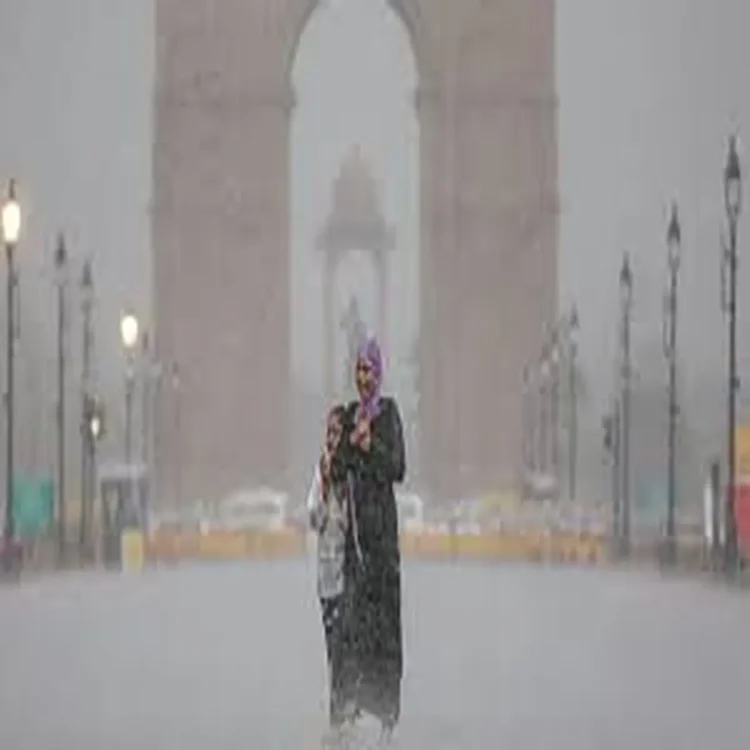
Lowest April Temperature in Over a Decade
Data from the India Meteorological Department (IMD) revealed that the Safdarjung observatory, considered the city’s primary weather station, registered a maximum temperature nearly 7 degrees below the seasonal average. Such a dip is uncommon for April, a month usually associated with rising heat in the capital.
The last instance of a lower daytime temperature during April dates back to April 23, 2016, when the mercury had settled at 27.2 degrees Celsius. This recent drop highlights a significant departure from normal weather patterns, offering residents a brief respite from early summer heat.
Rainfall Adds to Cooler Conditions
Rainfall also played a key role in keeping temperatures subdued. Safdarjung recorded 6.4 mm of precipitation in the 24-hour period ending Wednesday morning. This made it the most notable rainfall event for April since April 2023, when higher rainfall was observed earlier in the month.
The combination of cloud cover, rain showers, and persistent winds contributed to maintaining the cooler atmosphere throughout the day. Weather experts noted that such conditions are relatively rare during this time of year.
Minimum Temperatures Also Drop Across City
Nighttime temperatures followed a similar trend, dipping below normal levels across multiple parts of Delhi. Safdarjung reported a minimum temperature of 16.8 degrees Celsius, which is over 3 degrees below the average for this period.
Other monitoring stations across the city also recorded lower-than-usual readings. Palam saw temperatures drop to 15.5 degrees Celsius, while Lodhi Road recorded 16.2 degrees. The Ridge area experienced one of the lowest readings at 15.3 degrees, and Ayanagar reported 16.4 degrees Celsius. These figures reflect a widespread cooling effect across the region.
Western Disturbance Behind Weather Shift
According to IMD officials, the primary reason behind this unexpected weather pattern is a western disturbance affecting northern parts of India. This system, currently active over regions like Punjab and Jammu and Kashmir, has influenced wind patterns and brought moisture into the atmosphere.
Meteorologists explained that such disturbances can occasionally lead to rainfall and temperature drops in the plains, including Delhi. However, their impact during April is typically less pronounced, making this event noteworthy.
Temperatures Expected to Rise Again
Despite the temporary relief, weather experts suggest that the cooler conditions are unlikely to last long. As the influence of the western disturbance weakens, temperatures are expected to gradually increase in the coming days.
With April progressing, Delhi is likely to return to its usual warmer conditions, with daytime temperatures climbing back toward seasonal averages. Residents may soon experience the typical early summer heat once again.
For now, however, the city has enjoyed an unusual break from rising temperatures, with cloudy skies, mild winds, and light rain offering a refreshing change.