
Weather – Delhi Records Coldest March Morning In Six Years Amid Rain
Weather – Delhi experienced an unusually cool start to Friday as persistent rainfall over the past few days brought down temperatures across the city. According to the India Meteorological Department, the minimum temperature dropped to 16 degrees Celsius, marking one of the coldest March mornings recorded in the national capital in recent years.
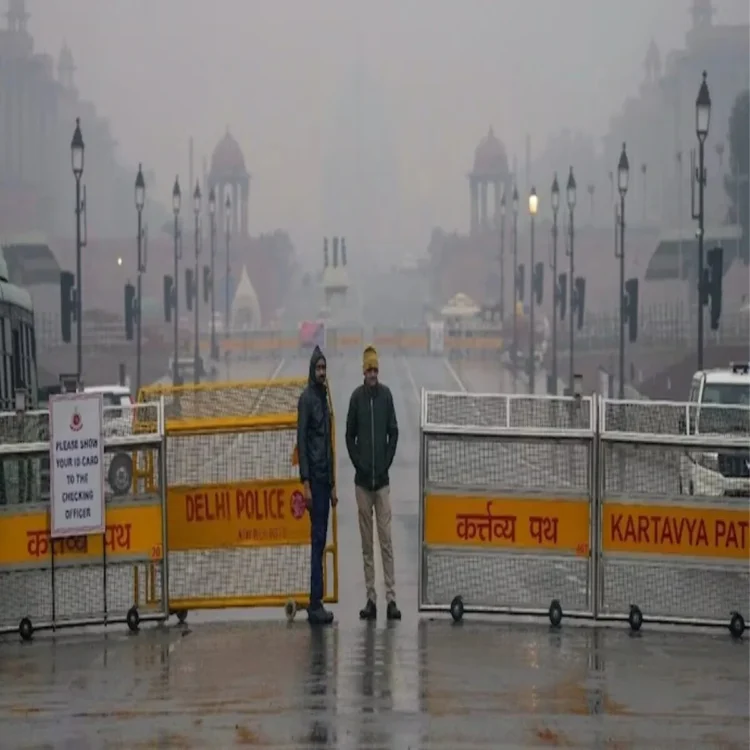
Light Rain and Cool Winds Mark the Day
Residents woke up to light drizzle accompanied by gentle winds, creating a distinctly cooler atmosphere than what is typically expected during this time of year. The sudden dip in temperature stands in contrast to the recent spell of warm conditions, when the mercury had climbed close to 38 degrees Celsius, giving an early taste of summer.
The weather department also issued a yellow alert, cautioning citizens about possible light rainfall combined with thunderstorms or lightning during the night. Such alerts are meant to advise people to stay prepared for short-term disruptions caused by changing weather conditions.
Forecast Suggests Stable Conditions Ahead
Looking ahead, Saturday is expected to bring partly cloudy skies with minimal chances of significant rainfall. Officials indicated that while cloud cover may persist, major disruptions due to weather are unlikely.
The maximum temperature on Friday settled at 21.7 degrees Celsius, significantly lower than earlier in the week. This sharp decline highlights the impact of recent weather systems affecting northern India.
Temperature Variations Across Key Locations
Different parts of Delhi recorded slight variations in temperature. Palam reported a minimum temperature of 14.7 degrees Celsius, which is below the seasonal average. Lodhi Road recorded 15.8 degrees Celsius, slightly above normal levels, while the Ridge area registered 15.1 degrees Celsius, notably lower than usual. Ayanagar reported a minimum of 16 degrees Celsius, close to the expected range.
Rainfall data over the past 24 hours showed moderate precipitation across the city. Safdarjung received 6.6 mm of rainfall, while Palam recorded 5.4 mm. Lodhi Road saw 6.3 mm, the Ridge received 7.4 mm, and Ayanagar recorded 5.6 mm of rainfall. These figures reflect a consistent pattern of light to moderate rain across different regions.
Western Disturbances Behind Weather Shift
Meteorologists have linked the current weather pattern to widespread thunderstorm activity across several regions of the country, along with the continued influence of western disturbances. These systems are known to bring rain and cooler temperatures to northern India, particularly during the late winter and early spring months.
The department noted that daytime temperatures are expected to remain at or slightly below normal levels over the coming week. Importantly, no immediate heatwave conditions are anticipated, offering temporary relief from the otherwise rising temperatures typical of March.
Air Quality Remains Within Acceptable Range
Despite the changing weather, air quality in Delhi remained within a manageable range. The Air Quality Index stood at 93 on Friday, placing it in the ‘satisfactory’ category. This indicates relatively cleaner air compared to more polluted days, likely aided by recent rainfall and wind activity.
Overall, the current weather conditions have brought a brief but noticeable shift in Delhi’s climate, delaying the onset of intense summer heat.