
WaterConservation – Delhi Launches Major Drive to Restore City Water Bodies
WaterConservation – Delhi authorities have accelerated efforts to restore deteriorating water bodies and strengthen the capital’s water distribution system ahead of the peak summer season. The initiative includes large-scale revival work, infrastructure upgrades and enhanced monitoring to prevent shortages across the city.
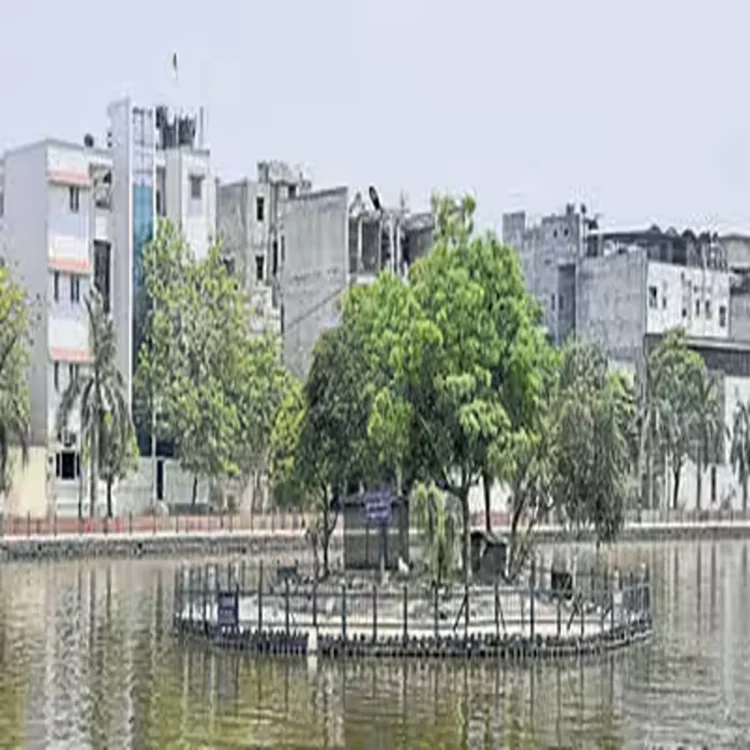
Delhi Lieutenant Governor V K Saxena on Saturday reviewed a detailed action plan prepared by the Delhi Development Authority for the restoration of several water bodies that have faced increasing environmental stress in recent years. The review focused on speeding up conservation work before rising temperatures place additional pressure on water resources.
Restoration Work Planned in Multiple Phases
According to information shared after the meeting, restoration work will begin immediately on 77 identified water bodies across Delhi. The programme has been divided into different phases to ensure faster execution and better monitoring.
Officials said six water bodies are expected to be revived within the next 30 days. Another 48 sites have been scheduled for completion within 60 days, while work on the remaining 23 locations is planned to conclude within 90 days. Authorities believe the phased approach will help improve groundwater recharge and support long-term water sustainability in the capital.
The Lieutenant Governor also reviewed ongoing development projects linked to Delhi’s expanding urban regions, including Dwarka, Rohini and Narela. During the meeting, officials were instructed to implement approved projects without delay and ensure that all departments adhere strictly to the timelines fixed for completion.
Delhi Government Strengthens Summer Water Preparedness
Earlier this week, Delhi Chief Minister Rekha Gupta chaired a high-level meeting at the Delhi Secretariat to evaluate preparations for the summer season and assess the status of ongoing water management projects. The review focused on maintaining uninterrupted supply during periods of increased demand.
During the meeting, the Chief Minister directed officials to respond quickly to public complaints related to water supply and warned that negligence in service delivery would not be tolerated. She said the government is working not only on immediate measures for summer relief but also on long-term plans aimed at reducing recurring drinking water shortages in the national capital.
Water Treatment Plants Operating at Full Capacity
The Delhi government has instructed all major water treatment facilities to function at maximum operational levels during the summer months. Plants located at Sonia Vihar, Bhagirathi, Chandrawal, Wazirabad, Haiderpur, Nangloi, Okhla, Bawana and Dwarka are part of the intensified supply management strategy.
Officials stated that several improvements have already been introduced to strengthen distribution networks. The number of operational tubewells has been increased from 5,834 to 6,200, while the fleet of water tankers has also been expanded. Fixed supply points and filling hydrants have similarly been increased to improve delivery in densely populated and water-stressed areas.
Focus on High-Demand Areas Across Delhi
To improve tanker-based water supply, the administration has deployed 1,210 tankers across the city, with an additional 100 vehicles kept on standby for emergencies. Special arrangements have been made for constituencies that regularly face water shortages, including Sangam Vihar, Matiala, Chhatarpur, Deoli, Tughlakabad, Palam, Bijwasan and Bawana.
The Chief Minister also confirmed that 520 new tubewells have been installed to boost availability, while around 172 kilometres of ageing pipelines were replaced during the 2025-26 period to improve supply efficiency and reduce transmission losses.
Maintenance and Leak Detection Underway
Authorities said additional work is in progress on valve regulation systems, new pipeline installations and sewer line cleaning projects across Delhi. Underground reservoirs have undergone annual cleaning, while preventive maintenance has been completed for pump sets and booster pumping stations connected to the distribution network. A dedicated campaign is also being carried out to identify and repair leakages in water transmission and distribution lines.