
Wastewater Management – East Godavari Speeds Up Sewage Treatment Infrastructure Expansion
Wastewater Management – Urban sanitation projects gain momentum across East Godavari district as authorities intensify efforts to improve wastewater management, protect natural water resources, and address environmental challenges arising from rapid urban growth.
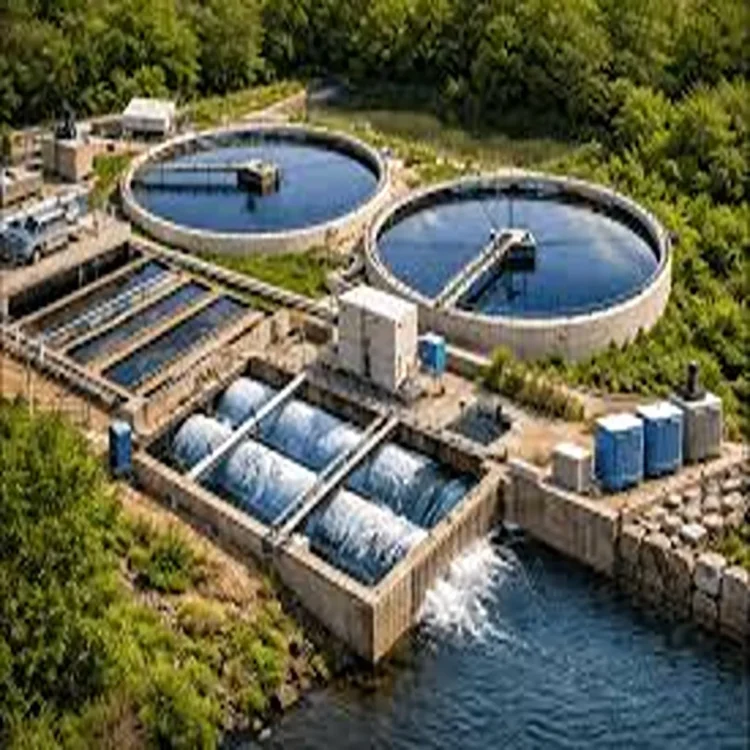
Water Infrastructure Projects Advance Across Key Towns
With cities and towns in East Godavari witnessing steady population growth, the volume of untreated wastewater entering canals, lakes, streams, and rivers has increased significantly in recent years. Environmental experts have warned that continued discharge of untreated sewage can degrade water quality, threaten aquatic ecosystems, and create public health risks for nearby communities.
To tackle these concerns, the State Government has accelerated the development of Sewage Treatment Plants (STPs) in several urban centres across the district. The initiative is being implemented in accordance with directives issued by the National Green Tribunal (NGT), with funding support provided jointly by the Central and State Governments.
Focus on Pollution Reduction and Public Health
Officials say the primary objective of the programme is to prevent untreated sewage from reaching the Godavari River and other local water bodies. By treating wastewater before discharge, the new facilities are expected to contribute to cleaner waterways, improved sanitation standards, and long-term environmental sustainability.
The projects are also expected to strengthen urban infrastructure while helping local administrations comply with environmental regulations aimed at safeguarding public health and natural resources.
Major Facility Nears Completion in Rajamahendravaram
Among the most significant developments is a large sewage treatment facility under construction in Rajamahendravaram. The plant, designed to process 50 million litres of wastewater per day, is approaching completion. Built at an estimated cost of ₹80 crore, the facility is expected to play a crucial role in improving wastewater management for the city’s residents.
Authorities are also planning an additional treatment plant with a capacity of 5 million litres per day. The proposed project will require land acquisition, with related costs estimated at approximately ₹3 crore.
Additional Projects Planned in Other Municipalities
Several other towns in the district are also set to receive new treatment infrastructure. In Kovvur, plans have been approved for two STPs with a combined capacity of 6 million litres per day. The project is expected to cost ₹16 crore, while land acquisition expenses are estimated at around ₹6 crore.
Meanwhile, Nidadavole is slated to get a new sewage treatment facility on 1.5 acres of government-owned land. The project carries an estimated budget of ₹12 crore and is expected to improve wastewater handling capabilities in the municipality.
Mandapeta will also benefit from the initiative, with two treatment plants planned to collectively process 8.7 million litres of sewage daily. The estimated investment for these facilities stands at ₹20 crore.
Government Identifies Suitable Locations
Providing an update on the progress of the programme, R. Seshagiri, Deputy Executive Engineer of the Public Health Department in Rajamahendravaram, said the government is treating the initiative as a priority environmental project. He noted that suitable sites have already been identified in multiple towns to facilitate timely construction and implementation.
According to officials, the ongoing expansion of sewage treatment infrastructure is expected to significantly reduce urban water pollution while supporting cleaner and healthier living conditions across East Godavari district.