
Waste Management – Delhi Faces Mounting Challenge as Source Segregation Remains Weak
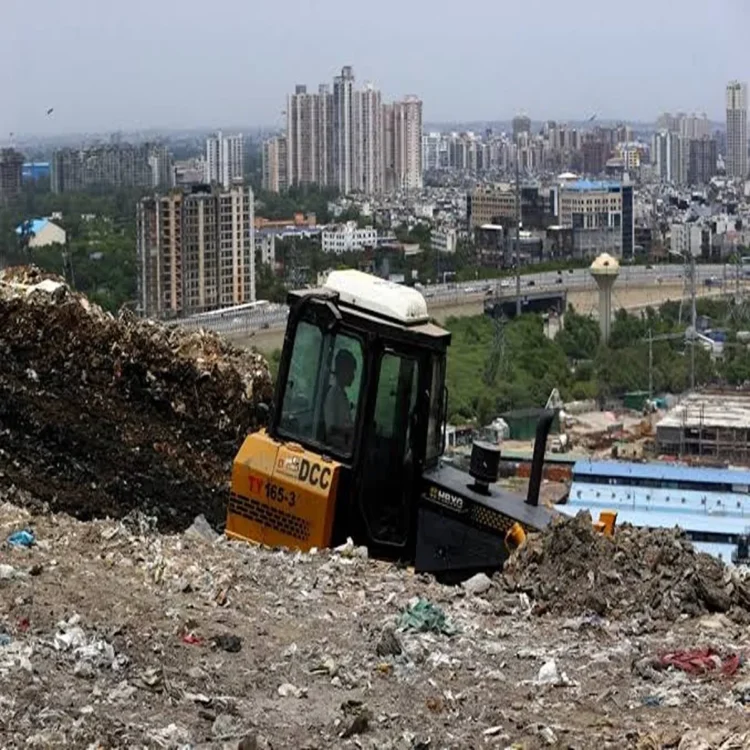
Waste Management – Delhi continues to face an enormous challenge in handling its growing volume of municipal solid waste. The national capital produces nearly 11,800 tonnes of garbage every day, but only around 64% of this waste is scientifically processed. The remaining waste continues to accumulate at the city’s three major landfill sites, highlighting the urgent need for stronger public participation and more effective implementation of waste management practices.
Source Segregation Remains the Weakest Link
The Solid Waste Management Rules, 2026 introduced a mandatory four-category waste segregation system from April 1, requiring households and establishments to separate wet, dry, sanitary and special-care waste. However, the intended changes have yet to translate into everyday practice across much of the city.
Although two-bin collection systems are widely available in residential colonies, commercial areas, hospitals, parks and public spaces, mixed waste is still commonly discarded without proper separation. In many cases, even waste collected separately ends up being transported together, reducing the effectiveness of the segregation process before it reaches recycling or treatment facilities.
Infrastructure Exists but Public Compliance Lags
The city has already invested in waste collection infrastructure, and the policy framework is largely in place. The bigger challenge lies in encouraging residents to consistently segregate waste at the source. Across many neighbourhoods, people continue to dispose of all types of waste together despite the availability of separate bins.
Officials and waste management experts have repeatedly stressed that segregation at the household level is the foundation of an efficient recycling system. When waste is mixed from the beginning, recovering recyclable materials becomes significantly more difficult, increasing the burden on landfill sites.
Pilot Projects Demonstrate Better Results
Certain areas under the New Delhi Municipal Council have shown encouraging outcomes. Pilot initiatives in Anupam Colony, Chanakyapuri and New Moti Bagh have reported almost complete source segregation. These projects use decentralised organic waste converters that process biodegradable waste locally, ensuring very little garbage is transported to already overburdened landfill sites.
The situation is different across the Municipal Corporation of Delhi’s nearly 250 wards, where compliance with segregation norms remains close to 50%. Despite legal provisions, enforcement has remained inconsistent, allowing old disposal habits to continue largely unchecked.
Lack of Enforcement Reduces Accountability
Environmental experts believe that awareness campaigns alone may not be enough to change public behaviour. While residents occasionally cite irregular waste collection schedules as a concern, the larger issue remains the absence of consistent accountability.
Although penalties exist under the rules, they are rarely imposed. Without regular inspections and immediate fines for violations, there is little incentive for households and commercial establishments to adopt responsible waste disposal practices. Many residents still view waste management primarily as the responsibility of civic authorities instead of a shared civic obligation.
Global Cities Offer Practical Lessons
Several international cities have adopted stricter systems that combine public participation with effective enforcement. Singapore, where land availability is extremely limited, has integrated recycling into residential infrastructure through mandatory dual-chute systems in high-rise buildings. Around 78% of households participate in recycling programmes, while approximately 90% of disposed waste is treated through waste-to-energy facilities. The country is also working toward achieving a 70% recycling rate by 2030.
Dubai has taken a different approach by combining digital monitoring with strict enforcement. Waste segregation is supervised using advanced technologies, including AI-supported monitoring systems. Authorities impose substantial financial penalties on repeated violators, while the city’s long-term waste management strategy aims to sharply reduce dependence on landfill disposal over the coming years.
Stronger Participation Needed for Lasting Change
Experts believe Delhi’s waste management goals can only be achieved through a combination of public responsibility and stricter enforcement. Source segregation must become a daily habit rather than an occasional practice. At the same time, civic agencies may need to strengthen monitoring and ensure existing regulations are implemented consistently.
Without meaningful participation from residents and stronger enforcement by local authorities, the city’s twin-bin system is unlikely to deliver the intended environmental benefits. Sustainable waste management will depend on collective action, helping reduce pressure on landfill sites while supporting cleaner neighbourhoods and a healthier urban environment.