
UrbanPolicy – Delhi Regularisation Drive Leaves Many Colonies Facing Uncertainty
UrbanPolicy – Earlier this month, the central government introduced revisions to the PM-UDAY scheme aimed at accelerating the regularisation of 1,511 unauthorised colonies in Delhi. The updated policy offers relief to a large number of property owners by allowing regularisation on an “as is where is” basis. Among the key changes are the removal of the requirement for layout plan approvals, simplification of property ownership documentation, and a shift in responsibility from the Delhi Development Authority to the revenue department. Limited commercial activity has also been permitted, while future construction will be governed by municipal norms.
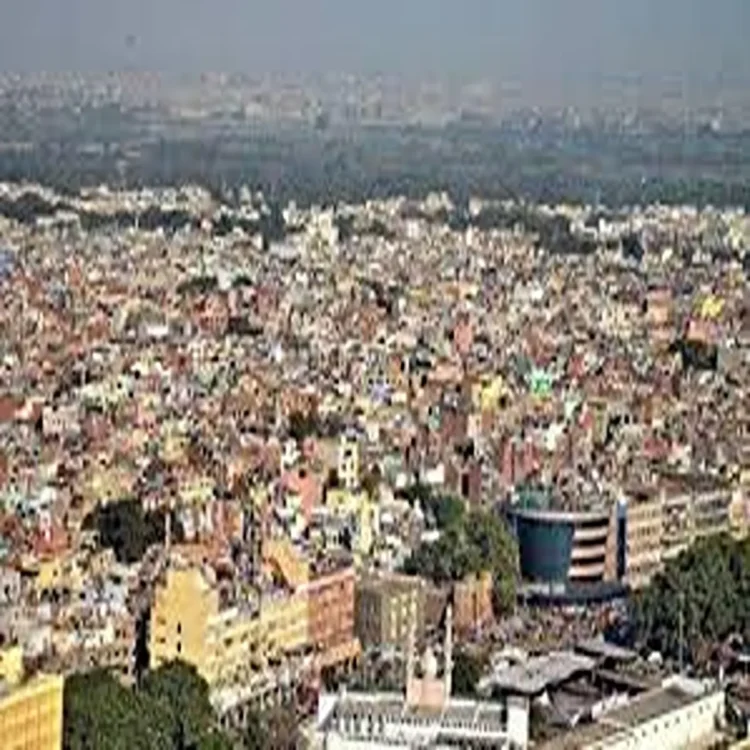
Several Colonies Still Outside the Framework
Despite these developments, a significant number of colonies remain excluded from the current list. Some of these settlements have existed for decades, yet they continue to lack legal recognition. For residents, this exclusion has created uncertainty about the future of their homes. In some cases, eviction notices have added to the anxiety, leaving families unsure about what lies ahead.
The issue becomes more complex when compared to earlier commitments. In 2019, authorities had announced plans to regularise around 1,700 colonies. The current figure falls short, leaving nearly 179 colonies unaccounted for. Many areas have not even been formally documented for inclusion, further complicating the situation for residents seeking stability and access to basic civic rights.
Rising Concerns in South Delhi Localities
Tensions have intensified in parts of South Delhi, particularly in Okhla, where demolition notices have been issued in certain areas. Localities such as Shaheen Bagh, Batla House, Noor Nagar, and sections of Abul Fazal have witnessed growing unease among residents.
In the Dhobi Ghat area, notices pasted on homes have led to confusion and fear. Residents say there has been little clarity from authorities regarding the next steps. For families who have lived there for generations, the sudden urgency conveyed through these notices has heightened concerns about displacement.
Some residents have pointed to strict timelines mentioned in the notices, which require them to vacate within a short period. While similar warnings have been issued in the past, the current situation appears more serious due to recent legal developments.
Legal Developments Add to Uncertainty
The situation in Okhla has been influenced by a recent court ruling. On March 5, 2025, the Delhi High Court dismissed a petition opposing demolition in the Dhobi Ghat area, stating that the settlement was illegal and located on environmentally sensitive land near the Yamuna floodplain.
The court observed that the occupants were not entitled to compensation or rehabilitation and noted that the land had been designated for the development of a biodiversity park. This decision has raised concerns in other unauthorised colonies, where residents fear similar action could be taken.
Assurances from Local Representatives
Amid growing anxiety, local leaders have attempted to calm residents. Officials have indicated that fully inhabited colonies with basic facilities are unlikely to face immediate demolition. However, the absence of clear communication from authorities has left many people relying on unofficial information and speculation.
Civic Challenges Persist in Large Settlements
In areas like Sangam Vihar, one of the largest unauthorised colonies in Asia, the challenges extend beyond legal recognition. The area is marked by dense construction, inadequate planning, and limited infrastructure.
Environmental concerns have also been raised, with reports indicating that parts of the colony are built on encroached forest land. This has increased the possibility of future legal or administrative action.
Residents continue to struggle with basic issues such as lack of proper sewage systems, deteriorating roads, and unreliable access to clean drinking water. Many depend on private water tankers, often at high cost, especially during the summer months.
Widespread Issues Across East and North-East Delhi
The situation is equally complex in East and North-East Delhi. Areas such as Seelampur, Mustafabad, Karawal Nagar, Shahdara, and Mandawali remain outside the scope of full regularisation. Residents in these regions face persistent infrastructure gaps, including poor drainage, irregular water supply, and sanitation challenges.
The absence of legal ownership further limits access to financial services such as loans and property transactions. For many families, this lack of recognition directly affects their sense of security and long-term planning.
A Continuing Struggle Between Hope and Stability
Across Delhi, unauthorised colonies reflect a broader urban challenge. While policy efforts have brought partial relief, many residents remain caught between hope for regularisation and fear of eviction.
At the same time, these colonies continue to serve as affordable housing options for students, migrant workers, and low-income families. This dual reality highlights the need for a more inclusive and consistent approach to urban planning.
Until clearer policies and effective implementation are achieved, thousands of residents will continue to live with uncertainty, balancing the promise of regularisation against the risk of losing their homes.