
TradeDeal – India and US Continue Talks Amid Key Market Differences
TradeDeal – India and the United States have wrapped up another round of discussions on a proposed bilateral trade agreement, with both sides acknowledging progress but also recognizing persistent challenges. The latest talks, held over three days in Washington, brought together senior officials from both countries to explore areas of cooperation and resolve long-standing differences in trade practices.
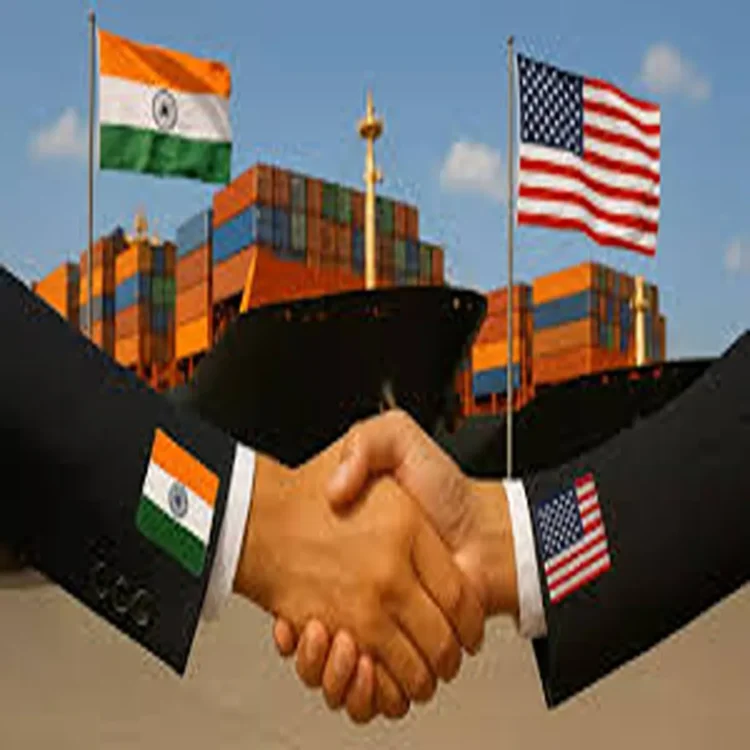
Ongoing negotiations highlight key sticking points
The Indian delegation, led by Additional Secretary in the Department of Commerce Darpan Jain, engaged in detailed discussions with a US team headed by Brendan Lynch, Assistant US Trade Representative for South and Central Asia. The meetings focused on market access, tariff structures, and sector-specific concerns that have historically complicated trade relations between the two nations.
Speaking to lawmakers in the United States, US Trade Representative Jamieson Greer described India as a challenging negotiating partner, particularly due to its long-standing protection of agricultural markets. He noted that India has consistently maintained safeguards to protect domestic farmers and related industries, making negotiations in this sector especially complex.
Scope for agreement in select sectors
Despite the hurdles, both sides have identified areas where mutual understanding could be reached. Greer pointed to products such as distillers dried grains (DDGs), soybean meal, and ethanol as examples of commodities where trade opportunities exist. These products, widely used in livestock feed and energy production, are currently under active discussion.
Officials indicated that ongoing engagement between negotiators is helping to narrow differences in these sectors. The dialogue reflects a broader effort to build consensus on items that could benefit both economies without undermining domestic priorities.
Trade framework aims for long-term expansion
The current negotiations stem from a framework agreement announced earlier this year, with both countries setting an ambitious goal of expanding bilateral trade to 500 billion US dollars by 2030. The framework outlines a roadmap for reducing trade barriers, increasing market access, and strengthening economic ties across multiple sectors.
Initially, the United States proposed tariff reductions on a range of Indian goods, along with provisions linked to energy imports. These proposals were intended to create a more balanced trade environment while encouraging increased exchange of goods and services.
Legal developments reshape tariff discussions
However, recent developments in the United States have introduced new complexities. A ruling by the US Supreme Court against certain reciprocal tariffs imposed under the International Emergency Economic Powers Act of 1977 has prompted a reassessment of the proposed tariff structure.
This legal shift has led both countries to revisit earlier assumptions and adjust their negotiating strategies. For India, the evolving global trade environment has reinforced the need to protect sensitive sectors while still pursuing broader economic cooperation.
India seeks balanced approach in revised deal
Indian officials are now working to recalibrate the proposed agreement in light of these changes. The focus remains on securing favorable terms that align with national interests, particularly in agriculture and other critical industries.
At the same time, there is a clear recognition that deeper trade ties with the United States could unlock significant economic opportunities. By carefully balancing protection with openness, India aims to strengthen its position in global trade while supporting domestic growth.
Continued dialogue signals cautious optimism
While no final agreement has been reached, the conclusion of the latest round of talks signals continued commitment from both sides. Negotiators are expected to remain engaged in the coming months, working through technical details and policy differences.
The discussions underscore the complexity of modern trade agreements, where economic goals must be aligned with political, legal, and domestic considerations. Even so, the willingness of both countries to stay at the negotiating table suggests that progress, though gradual, remains possible.