
TaxFiling – Income Tax Portal Opens ITR Filing for Assessment Year 2026-27
TaxFiling – The Income Tax Department has activated online and Excel-based filing facilities for ITR-1 and ITR-4 forms for the assessment year 2026-27, allowing eligible taxpayers to begin submitting their income tax returns through the official e-filing portal.
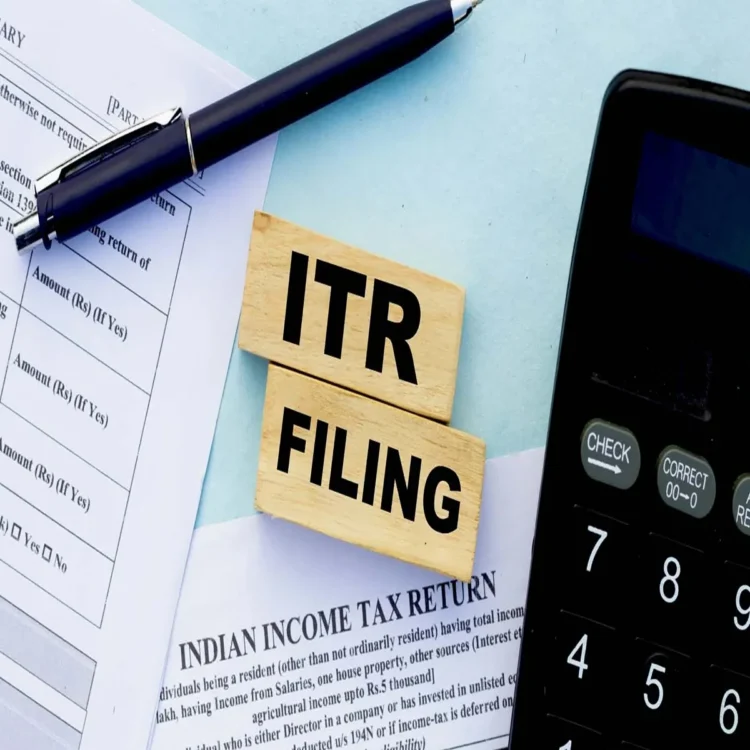
The announcement was made on Friday through the department’s official communication channels, confirming that taxpayers can now access both filing methods for completing their annual tax obligations. The update is expected to benefit salaried individuals, pensioners, and small businesses that fall under the categories covered by ITR-1 and ITR-4 forms.
Online Filing System Activated for Taxpayers
According to the Income Tax Department, taxpayers can now choose between the online filing option and the downloadable Excel utility for preparing and submitting returns. The move comes as part of the annual rollout process for the new assessment year and is aimed at ensuring smoother compliance for individuals and small taxpayers.
The department shared the update through its official social media handle, informing users that both utilities are operational on the e-filing portal. Tax experts believe early activation of the filing system may help reduce last-minute pressure on taxpayers and improve overall return processing efficiency.
New Income Tax Law Introduces Major Structural Changes
The latest filing cycle also coincides with the implementation of the Income-tax Act, 2025, which officially took effect on April 1, 2026. The legislation replaces several provisions that had remained in force for decades and is being viewed as one of the most significant tax reforms in recent years.
While the government has retained the existing income tax slab rates, the updated law changes the manner in which income details, deductions, and exemptions are declared. The revised framework places greater emphasis on accurate reporting and expanded disclosure of financial information.
Officials have stated that the broader objective of the reform is to simplify compliance procedures, improve transparency, and modernise tax administration systems across the country.
Higher HRA Exemption for More Cities
Among the notable changes under the revised framework is the expansion of the higher House Rent Allowance exemption category. Earlier, only residents of metro cities such as Delhi, Mumbai, Kolkata, and Chennai were eligible to claim HRA exemption of up to 50 percent of their basic salary, while taxpayers in other locations were limited to 40 percent.
Under the updated rules, additional urban centres including Bengaluru, Hyderabad, Pune, and Ahmedabad have been brought under the 50 percent exemption bracket. This change is expected to offer additional tax relief to salaried employees living in rapidly growing metropolitan regions.
Education and Meal Allowances Receive Big Revision
The new tax rules also revise exemptions linked to children’s education expenses. The allowance, which previously stood at Rs 100 per child each month, has been substantially increased to Rs 3,000 per child per month.
Another important revision relates to employer-provided meal benefits. Under the Income Tax Rules, 2026, the exempt limit for meals offered by employers has been raised from Rs 50 per meal to Rs 200 per meal. Industry observers say the updated figures better reflect current living expenses and inflation trends.
Expanded Reporting Requirements Under New Rules
The revised framework also strengthens reporting obligations for taxpayers. Greater use of Permanent Account Number details and stricter disclosure norms are expected to improve tracking of financial transactions and reduce inconsistencies in tax filings.
Experts believe these updates are intended to align exemption limits with present-day economic conditions while making the overall tax structure more efficient and transparent. The reforms are also expected to ease the financial burden on salaried taxpayers by adjusting outdated exemption thresholds that had remained unchanged for several years.