
FuelPriceHike – Opposition Targets Centre After Nationwide Fuel Rate Increase
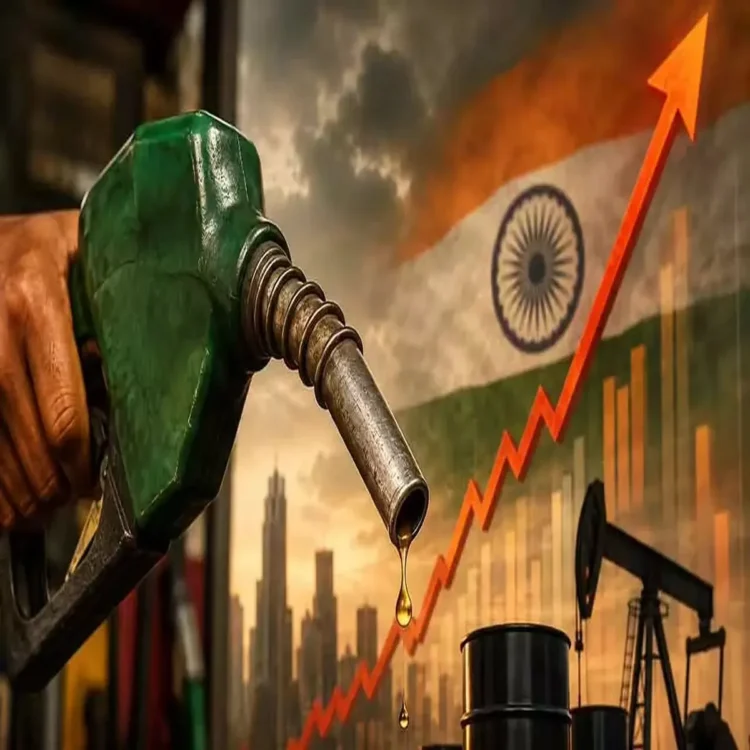
FuelPriceHike – Petrol and diesel prices across India increased sharply on Friday, triggering a political exchange between the ruling BJP and the opposition Trinamool Congress over taxation policies and the impact on consumers.
Senior Trinamool Congress leader and Rajya Sabha MP Derek O’Brien criticised the latest rise in fuel prices and questioned whether the BJP administration in West Bengal would now consider reducing value-added tax on petrol and diesel.
TMC Questions Fuel Tax Policy
In a statement posted on social media platform X, O’Brien accused both the Centre and the BJP leadership in the state of failing to shield citizens from increasing fuel costs. He argued that consumers were once again facing financial pressure due to the hike in petrol and diesel rates.
The TMC parliamentarian also raised questions about the role of state taxes on fuel. According to him, if the state government is aligned with the Centre, there should no longer be concerns regarding delays or restrictions in the release of central funds. He suggested that this should create room for reconsidering VAT rates imposed on fuel products.
Fuel Prices Rise Across Major Cities
The criticism followed a nationwide increase of Rs 3 per litre in both petrol and diesel prices. In the national capital, petrol prices climbed to Rs 97.77 per litre from Rs 94.77, while diesel rates rose to Rs 90.67 from Rs 87.67 per litre.
The latest revision has added to public concern as transportation and logistics expenses are expected to rise further. Fuel price increases often have a direct impact on household budgets because they influence the cost of goods, public transport, and essential services.
Global Conflict Influencing Oil Markets
The increase in domestic fuel prices comes at a time when international crude oil markets remain unstable due to ongoing geopolitical tensions in West Asia. The conflict involving the United States, Israel, and Iran has continued to affect global energy supplies since late February this year.
Industry analysts believe disruptions near the Strait of Hormuz have intensified pressure on oil markets. The route is considered one of the world’s most strategically important shipping channels for crude oil exports. Any blockade or security threat in the region can quickly influence international oil prices.
As a result of the prolonged tensions, Brent crude prices have reportedly crossed the USD 100 per barrel mark, significantly increasing import costs for oil-dependent countries such as India.
Centre Assures Adequate Fuel Availability
Despite the rise in global crude prices, the Union government has maintained that there is no shortage of fuel supplies within the country. Officials have repeatedly stated that India continues to hold sufficient reserves of petroleum products to meet domestic demand.
Earlier this week, Union Petroleum and Natural Gas Minister Hardeep Singh Puri said the government had managed to maintain uninterrupted supplies of petrol, diesel, and LPG despite international disruptions.
Speaking at the CII Annual Business Summit 2026, the minister highlighted the financial pressure being faced by oil marketing companies due to elevated crude prices. He noted that under-recoveries and operational losses had increased sharply as international oil prices surged from nearly USD 65 per barrel to over USD 115 in the current market basket.
Refineries Operating Normally
The Ministry of Petroleum and Natural Gas has also stated that refinery operations across the country remain stable. According to the ministry, fuel inventories are adequate and supply chains continue to function efficiently despite global uncertainty.
Officials added that stocks of petrol, diesel, and LPG are being maintained at sufficient levels to avoid any disruption in public distribution or commercial availability.
The fuel price revision is expected to remain a major political and economic issue in the coming weeks, especially as opposition parties continue to question taxation policies and the broader impact of rising global crude oil prices on Indian consumers.