
NEET Controversy – Union Minister Dharmendra Pradhan Steps Down Following Nationwide Student Agitation
NEET Controversy – Following weeks of mounting pressure and widespread demonstrations regarding the NEET-UG entrance test, Union Education Minister Dharmendra Pradhan has submitted his resignation to Prime Minister Narendra Modi. The departure comes after intense public scrutiny over examination security and administrative oversight.
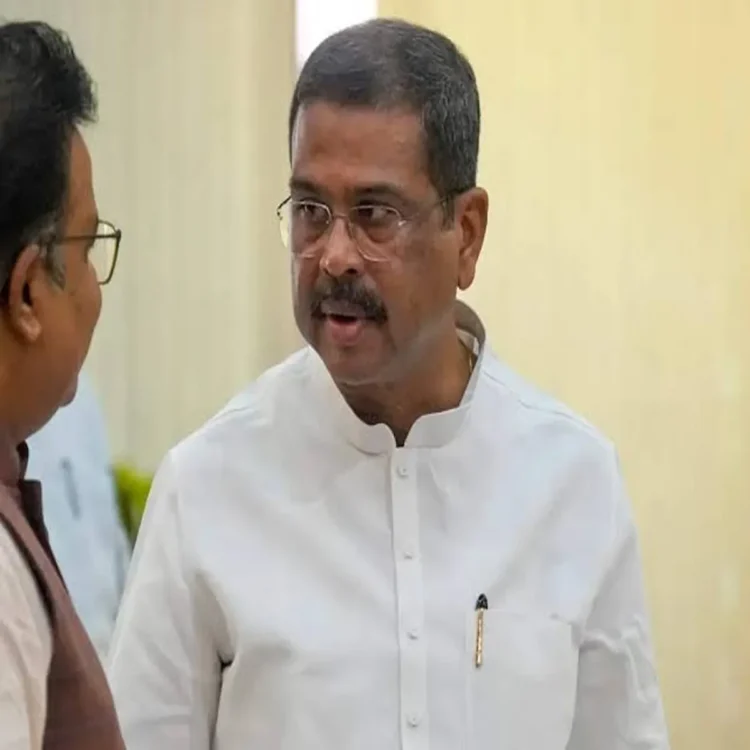
Cabinet Colleagues Reflect on Service
In the wake of the decision, Union Parliamentary Affairs Minister Kiren Rijiju offered words of support for his colleague, pointing to Pradhan’s extensive background in public administration and student affairs. Posting on social media, Rijiju characterized the outgoing minister’s political career as a long-standing commitment to public service. He noted that managing the national education framework requires significant resilience and acknowledged Pradhan’s efforts toward structural updates during his time in office.
Prioritizing Integrity in National Testing
Addressing his departure, Pradhan explained that stepping aside was necessary to maintain public trust and prevent further uncertainty among young candidates across the country. In a letter directed to the Prime Minister, he outlined his four-decade involvement with academic communities, maintaining that an accessible and transparent learning framework remains essential for national development.
Regarding the May 3 examination issues, Pradhan emphasized that central authorities initiated immediate measures once discrepancies were detected. The federal government assigned the investigation to law enforcement agencies, cancelled the affected test session, and scheduled a fresh examination. Additionally, officials announced plans to transition future entrance assessments to a computer-based format to improve testing integrity.
Safeguarding the Interests of Future Aspirants
The former minister highlighted that the primary objective throughout the administrative response was protecting the academic timelines of more than two million candidates involved in the process. He stated that taking personal responsibility for the operational challenges was essential to ensure that hard-working students were not unfairly disadvantaged by the disruptions surrounding the testing system.
Demonstrations and Political Developments
The resignation follows an extended period of public demonstrations organized near the capital’s central administrative areas. Activists and political groups had mobilized around the issue, calling for structural accountability after the testing irregularities came to light. The movement gained significant attention through prolonged public fasts and peaceful assemblies calling for institutional reform.
Following the announcement, representatives from organizing groups characterized the political shift as a demonstration of civic engagement and public accountability. The central government is expected to name an interim supervisor or announce a formal cabinet reallocation in the coming days to oversee the upcoming academic transition and administer the revised testing framework.