
SupremeCourt – Top Court Brings Nearly Three-Decade-Old Uttarakhand Murder Case to a Close
SupremeCourt – Nearly three decades after a fatal dispute over a Rs 500 wristwatch led to a man’s death in Uttarakhand, the Supreme Court has brought the prolonged legal battle to an end by modifying the sentence of the final remaining convict. While upholding the conviction, the court reduced the prison term to the period the convict had already spent in custody, effectively clearing the way for his release.
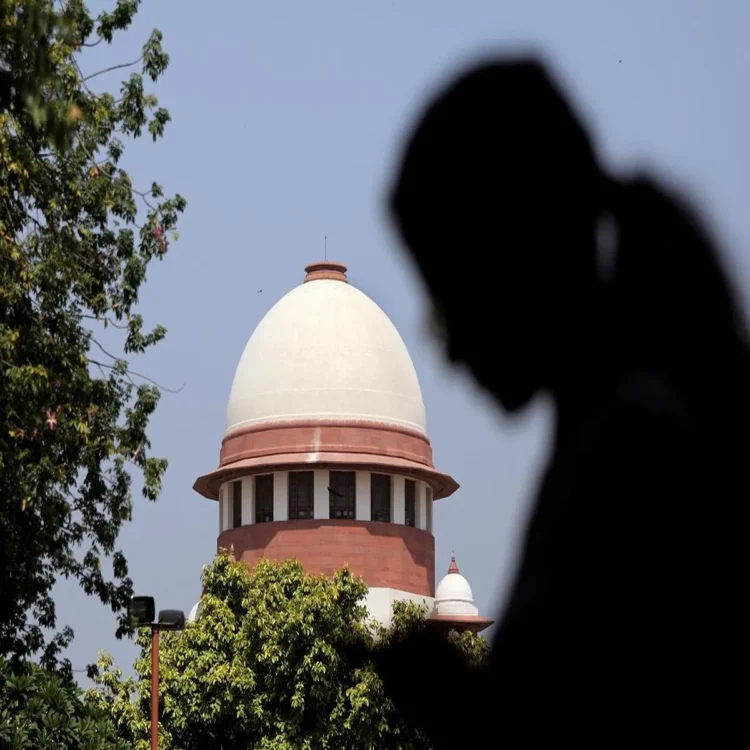
Supreme Court Revises Sentence After 29 Years
In its order dated June 25, the Supreme Court observed that the interests of justice would be adequately served by reducing the original sentence of five years of rigorous imprisonment to the time already undergone by the appellant. The bench decided to retain the conviction but concluded that further imprisonment was not necessary given the extraordinary delay in the case.
The court noted that almost 30 years had passed since the incident, making it appropriate to consider the passage of time while deciding the sentence. According to the judges, such exceptional circumstances justified a compassionate approach without disturbing the findings of guilt.
Court Considers Age and Circumstances
The appellant, identified as Mathu, also known as Jagdish, was around 33 years old when the incident occurred. The bench pointed out that he is now well over the age of 60, with nearly three decades having elapsed since the unfortunate episode.
While examining the record, the court also referred to the background of the incident. It observed that the confrontation had originated from a disagreement over a wristwatch valued at Rs 500. What began as a verbal dispute gradually turned into a physical scuffle, during which the victim fell into a dry canal and lost his life.
The judges emphasized that the facts of the case reflected an altercation that escalated unexpectedly rather than a planned act, which also weighed in the court’s assessment of the sentence.
Time Already Served Held Sufficient
The Supreme Court further observed that the convict had already spent a significant period in judicial custody. Considering both the lengthy duration of the legal proceedings and the time already served, the bench concluded that extending the imprisonment would not serve any meaningful purpose.
Accordingly, the sentence was modified to the period already undergone while maintaining the conviction. This legal adjustment means that the appellant is no longer required to serve additional jail time.
Long Legal Journey Finally Ends
The decision effectively concludes one of the oldest pending criminal matters linked to the 1990s, ending years of litigation surrounding the case. With the sentence now revised, the last remaining convict is set to walk free, bringing final closure to a case that remained before the courts for nearly 29 years.
The ruling reflects the Supreme Court’s effort to balance accountability with fairness by considering the unique circumstances of the case, including the prolonged delay, the convict’s present age, and the time already spent behind bars.