
Security – Congress Questions Government’s Foreign Policy After Pahalgam Attack Anniversary
Security –One year after the deadly terror strike in Pahalgam, the Congress party has sharply criticised the central government’s handling of foreign policy, arguing that India’s diplomatic position has weakened while Pakistan appears to have regained some level of international acceptance. The remarks were made on Wednesday, marking the first anniversary of the attack that left 26 people dead, most of them tourists.
Remembering the Victims and Local Heroism
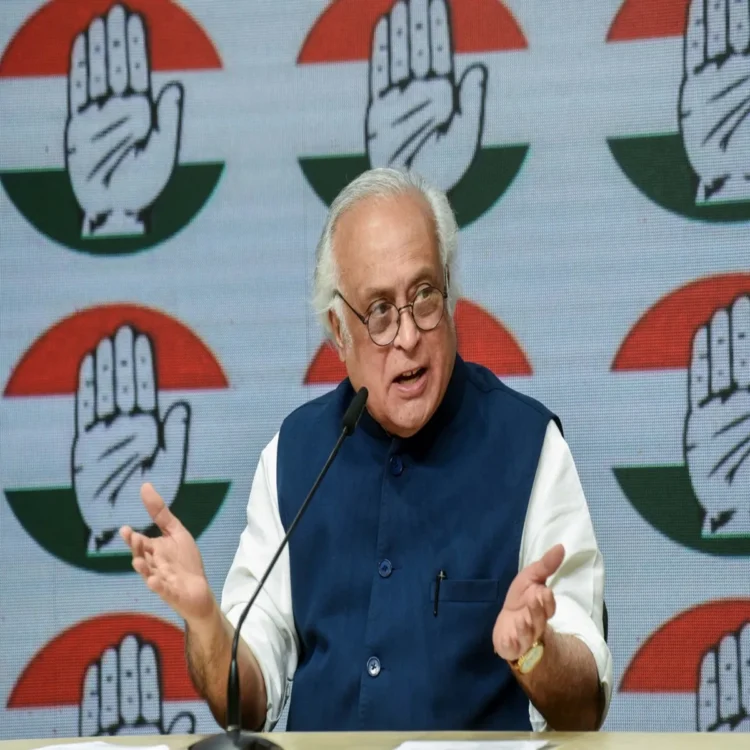
Congress leader Jairam Ramesh said April 22 remains a day of deep sorrow for the country. He expressed condolences to the families who lost their loved ones and recalled the courage of a local pony operator who was killed while attempting to protect a tourist during the attack. The incident, which took place in Jammu and Kashmir’s Pahalgam, had shocked the nation and raised serious concerns about security preparedness in the region.
Questions Over Intelligence Failure
Ramesh pointed to what he described as an acknowledged intelligence lapse by the Jammu and Kashmir administration. According to him, the Lieutenant Governor had admitted shortcomings in intelligence gathering related to the attack. He questioned whether any meaningful accountability measures were taken following this admission, even though the perpetrators were later tracked down and eliminated within months.
Comparison With Post-2008 Global Response
Drawing a comparison with the aftermath of the 2008 Mumbai attacks, the Congress leader said Pakistan had faced widespread international isolation at that time. He noted that the country’s internal situation remains unstable, with economic struggles, political uncertainty, and significant influence of the military over governance.
Despite these challenges, he argued that Pakistan has managed to rebuild a degree of global engagement. This shift, according to the opposition, raises concerns about India’s current diplomatic effectiveness on the world stage.
Allegations of Foreign Policy Shortcomings
The Congress party described the present situation as a reflection of deeper issues in India’s foreign policy approach. Ramesh alleged that the government’s diplomatic efforts have focused more on image-building than on substantive outcomes. He suggested that this imbalance may have contributed to a changing international perception of both India and Pakistan.
He further stated that while a reassessment of foreign policy is necessary, it is unlikely that the current leadership will undertake such changes.
Background of the Pahalgam Attack
The attack, carried out by the Pakistan-based militant group Lashkar-e-Taiba, targeted civilians in a popular tourist destination. It resulted in the deaths of 26 people and injuries to several others, prompting nationwide outrage and calls for strong action.
In response, India launched a military operation known as Operation Sindoor. The operation reportedly targeted terror infrastructure and related facilities in Pakistan and Pakistan-occupied Kashmir. Officials stated that the strikes aimed to dismantle networks responsible for cross-border terrorism.
Ongoing Debate Over National Security and Diplomacy
The anniversary has once again brought issues of national security and foreign policy into focus. While the government has maintained that it has taken decisive action against terrorism, opposition leaders continue to question the broader diplomatic outcomes.
The discussion reflects a continuing debate over how India balances military responses with long-term international engagement. As regional tensions persist, the effectiveness of these strategies remains a subject of political and public scrutiny.