
Sanitation – Magic Drains Initiative Gains Praise for Rural Transformation
Sanitation- Olympic medallist PV Sindhu has commended a new sanitation initiative introduced in Andhra Pradesh, calling it a significant step forward in improving living conditions in rural communities. The programme, known as “Magic Drains,” has been introduced under the leadership of Deputy Chief Minister Pawan Kalyan and is aimed at tackling long-standing wastewater management issues in villages.
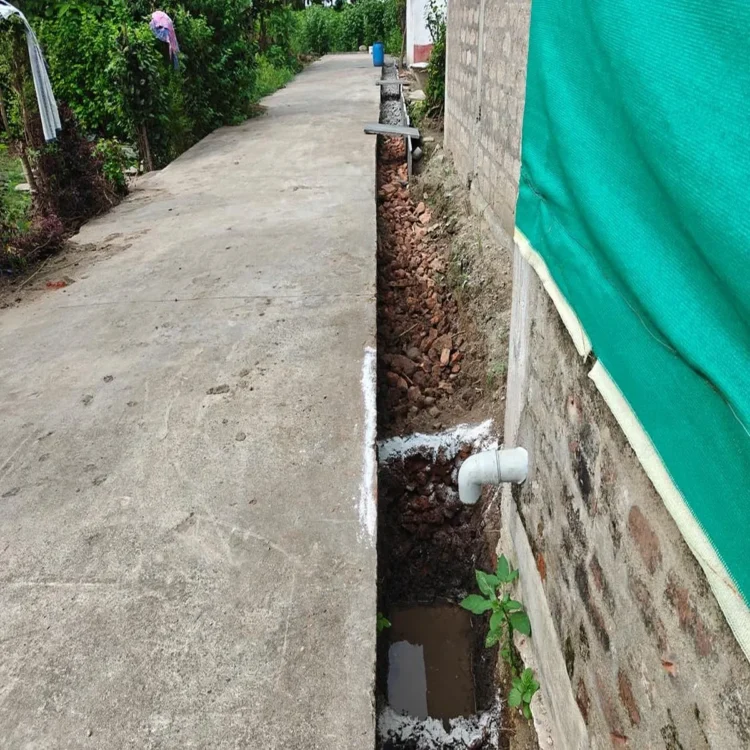
Focus on Rural Hygiene Challenges
In a recent video message assessing the government’s performance over the past 20 months, Sindhu highlighted the urgent need for improved sanitation infrastructure in rural India. She pointed out that a large share of the country’s population lives in villages, where inadequate drainage systems often result in stagnant wastewater, unpleasant surroundings, and potential health risks.
According to Sindhu, the absence of proper wastewater disposal methods has historically affected hygiene standards in these areas. She noted that initiatives like Magic Drains are addressing these concerns in a practical and scalable manner.
How Magic Drains Work
Sindhu explained that the Magic Drains system is built using soak pits combined with a three-layer filtration mechanism. This design allows wastewater generated from households to be absorbed efficiently into the ground. The filtration layers help clean the water before it seeps into the soil, eventually contributing to groundwater replenishment.
The system is designed to prevent water stagnation and eliminate foul smells that are commonly associated with open drains. By ensuring that wastewater is processed quickly and naturally, the initiative offers a sustainable approach to sanitation management.
Cost-Effective and Scalable Model
One of the key advantages highlighted by Sindhu is the cost efficiency of the project. She noted that Magic Drains can reduce construction expenses by nearly 80 percent compared to traditional cement drainage systems. This makes it a practical option for widespread adoption, especially in regions where budget constraints often limit infrastructure development.
The affordability factor is expected to encourage faster implementation across multiple villages, enabling authorities to expand sanitation coverage without placing excessive financial pressure on local administrations.
Health and Environmental Benefits
Beyond improving cleanliness, the initiative is also expected to deliver notable health benefits. Sindhu emphasised that reducing exposure to untreated wastewater can significantly lower the risk of waterborne diseases in rural areas. Cleaner surroundings contribute to better overall well-being and a healthier environment for residents.
Additionally, by converting wastewater into groundwater, the system supports environmental sustainability and helps conserve water resources—an important factor in regions facing water scarcity.
Support from Leadership and Vision
Sindhu also acknowledged the combined efforts of national and state leadership in driving such initiatives. She stated that support from Prime Minister Narendra Modi, along with the leadership of Chief Minister N Chandrababu Naidu and the vision of Pawan Kalyan, has created a strong foundation for rural development in Andhra Pradesh.
She expressed confidence that such programmes would contribute to broader growth across sectors, improving both infrastructure and quality of life in rural communities.
Awareness Campaigns Gain Momentum
Alongside the Magic Drains initiative, efforts are also being made to raise awareness about cleanliness and waste management. Actor Nani has extended his support to the government’s Swachh Rath campaign, which focuses on educating rural populations about sanitation practices.
Officials reported that in April alone, Swachh Rath units collected approximately 19 lakh kilograms of dry waste. In exchange, essential goods worth Rs 3.32 crore were distributed to households, encouraging participation in waste segregation and recycling efforts.
These combined initiatives reflect a growing emphasis on sustainable sanitation solutions and community involvement in maintaining cleaner villages.