
Reservation Debate – Congress Alleges BJP Pursuing Constitutional Changes Through Numbers
Reservation Debate – The Congress on Wednesday intensified its criticism of the BJP, alleging that the ruling party’s long-term political objective is to secure a two-thirds majority in the Lok Sabha to introduce constitutional changes that could eventually affect reservation provisions. Senior Congress leader Jairam Ramesh made the remarks while discussing recent political developments and the debate surrounding delimitation and women’s reservation.
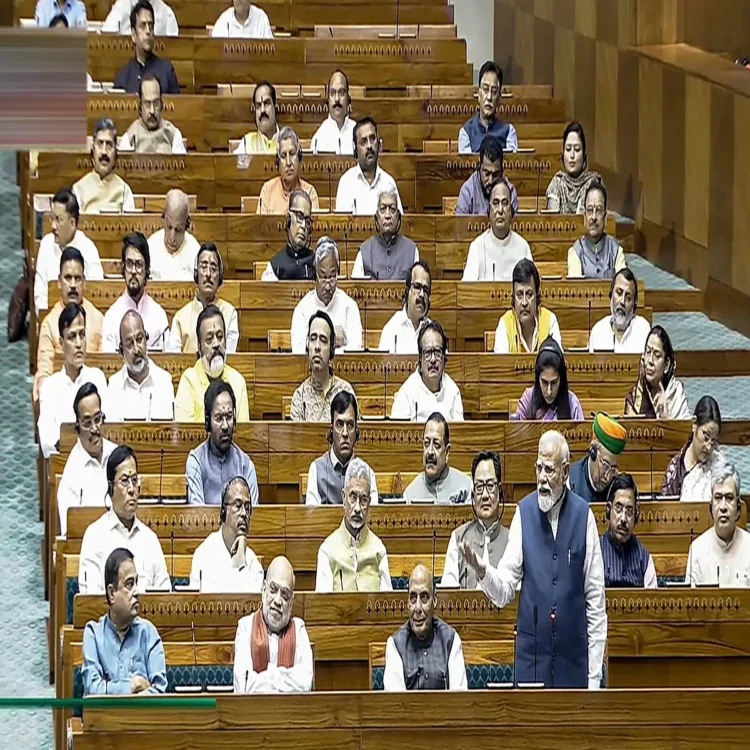
Congress Questions BJP’s Political Strategy
Speaking in an interview, Ramesh argued that the BJP’s push for delimitation is closely linked to its broader electoral calculations. According to him, the government should implement the women’s reservation law during the 2029 general elections using the current Lok Sabha strength of 543 seats if its primary concern is increasing female representation in legislatures.
He maintained that the opposition has consistently supported women’s reservation but raised objections to proposals that combine the measure with a larger restructuring of parliamentary constituencies.
Claims Over Efforts to Expand Parliamentary Strength
The Congress leader alleged that recent political developments involving opposition parties are connected to the BJP’s effort to strengthen its position in Parliament. He claimed that attempts to attract leaders from rival parties reflect a larger strategy aimed at increasing the ruling party’s numbers in the Lok Sabha.
Ramesh further stated that the BJP’s previous slogan seeking an overwhelming parliamentary mandate was linked to its desire to obtain the strength necessary for constitutional amendments. He alleged that achieving such a majority would allow the government to pursue changes beyond electoral reforms.
Delimitation Remains a Major Point of Disagreement
A key area of disagreement between the government and opposition parties continues to be the issue of delimitation. Ramesh said Congress believes the process should only take place after the completion of a caste census.
He questioned the mechanism through which future delimitation exercises would be conducted and expressed concerns about the role of institutions involved in implementing such changes. According to him, transparency and broad political consensus are essential before any major restructuring of parliamentary representation is undertaken.
Opposition Stands by Its Parliamentary Vote
Defending the opposition’s position in Parliament, Ramesh said lawmakers voted against the constitutional amendment proposal because of concerns related to delimitation rather than opposition to women’s reservation.
He reiterated that opposition parties support reserving one-third of seats for women but favor implementing the measure within the existing structure of the Lok Sabha. Congress believes that such a step can be taken without waiting for an increase in the number of parliamentary constituencies, he added.
Concerns Over Future Constitutional Amendments
Ramesh also argued that reservation for Scheduled Castes, Scheduled Tribes and Other Backward Classes remains a sensitive issue that requires strong constitutional protection. He alleged that some voices associated with the broader ideological ecosystem of the BJP have expressed reservations about the current framework in the past.
According to the Congress leader, the party will continue opposing any move that it believes could weaken constitutional safeguards for disadvantaged communities.
Debate Continues Over Parliamentary Expansion
The Congress also raised questions about proposals to significantly increase the number of Lok Sabha seats. Ramesh said there are practical concerns regarding the functioning of a much larger lower house and its impact on parliamentary proceedings.
He noted that discussions are also required on how such changes could affect the balance between the Lok Sabha and the Rajya Sabha. The government, he said, has yet to provide detailed answers to several of these concerns.
Background of the Defeated Bill
The political debate follows the defeat of a constitutional amendment bill in the Lok Sabha on April 17. The proposal sought to implement women’s reservation in legislatures from 2029 and also included provisions related to increasing the number of Lok Sabha seats.
The bill received support from 298 members, while 230 MPs voted against it. Since constitutional amendments require a two-thirds majority of members voting, the proposal fell short of the required threshold and was not passed.