
Rehabilitation – Delhi Finalises New Policy for Slum Redevelopment and Resettlement
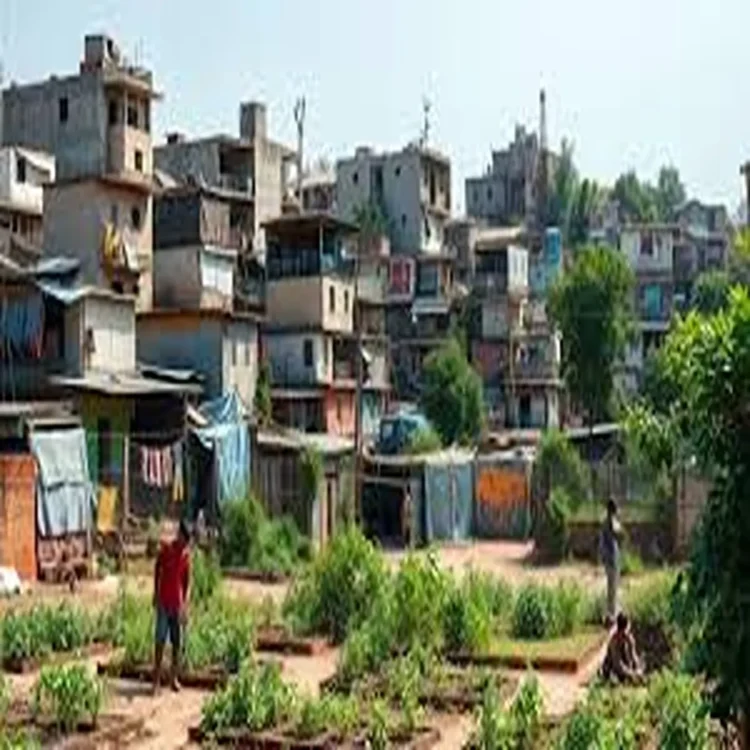
Rehabilitation – The Centre and the Delhi government have jointly approved a new framework aimed at improving housing conditions for residents living in jhuggi-jhopri (JJ) clusters across the national capital. Under the newly adopted Slum and JJ Cluster Rehabilitation and Resettlement Policy, 2026, redevelopment work in five identified clusters will begin during the first phase of implementation.
Chief Minister Rekha Gupta announced that the policy received final approval during a high-level meeting led by Union Home Minister Amit Shah. According to the chief minister, the initiative is designed to provide eligible slum residents with permanent and dignified housing while improving access to essential public services.
Tender Process to Begin Within Weeks
Following the policy’s approval, the Delhi Development Authority (DDA) and the Delhi Urban Shelter Improvement Board (DUSIB) have been tasked with initiating the tendering process for the first five rehabilitation projects. Officials are expected to invite bids within the next 45 days, marking the beginning of the policy’s execution phase.
The government has also outlined an ambitious implementation roadmap. Apart from the initial projects, authorities plan to issue tenders for at least five rehabilitation schemes every month under the public-private partnership (PPP) model. The approach is intended to accelerate redevelopment efforts and attract private-sector participation in urban housing projects.
Focus on Essential Civic Infrastructure
Officials said the upcoming rehabilitation colonies will not be limited to housing alone. The planned settlements will include a range of civic facilities aimed at supporting long-term community development.
Among the proposed amenities are schools, healthcare centres, playgrounds, and anganwadi facilities. The government believes that integrating these services into rehabilitation projects will help improve living standards and ensure that relocated families have access to education, healthcare, and recreational spaces close to their homes.
Chief Minister Gupta stated that the policy aligns with the broader objective of ensuring secure and permanent housing for residents who have long lived in informal settlements across Delhi.
Government Calls Policy a Major Urban Development Step
Delhi minister Ashish Sood described the policy as a significant milestone in the capital’s urban transformation efforts. He said the decision was taken during a review meeting attended by Union Home Minister Amit Shah, Union Housing and Urban Affairs Minister Manohar Lal, and Chief Minister Rekha Gupta.
According to Sood, the policy is expected to strengthen the government’s commitment to providing improved housing and social infrastructure for economically weaker sections. He noted that the initiative could benefit lakhs of families by offering safer living conditions and better access to public services.
Announcement Comes Amid Ongoing Legal Dispute
The policy announcement comes at a time when legal proceedings continue over proposed action against several slum settlements located near the Race Course area of Delhi.
The Centre has argued before the courts that these settlements are situated within a protected zone adjoining an operational Indian Air Force station. Authorities have maintained that removing unauthorised structures in the area is necessary to support defence-related infrastructure and safeguard public security interests.
Government submissions have also stated that on-site rehabilitation is not practical because suitable land and accommodation are unavailable nearby. As part of the proposed plan, 717 residents from three affected slum clusters may be relocated to Savda Ghevra.
The new rehabilitation policy is expected to play an important role in shaping future redevelopment and resettlement efforts across Delhi as authorities seek to balance housing needs, urban planning priorities, and public infrastructure requirements.