
Prisoners – Supreme Court Orders States to Frame Early Release Policy for Elderly Inmates
Prisoners – The Supreme Court has instructed all States and Union Territories to introduce a comprehensive policy within three months to govern the early or premature release of elderly and terminally ill prisoners. The direction aims to create a uniform, transparent, and humane framework while ensuring that applications are processed through a technology-enabled system integrated with the e-Prisons portal.
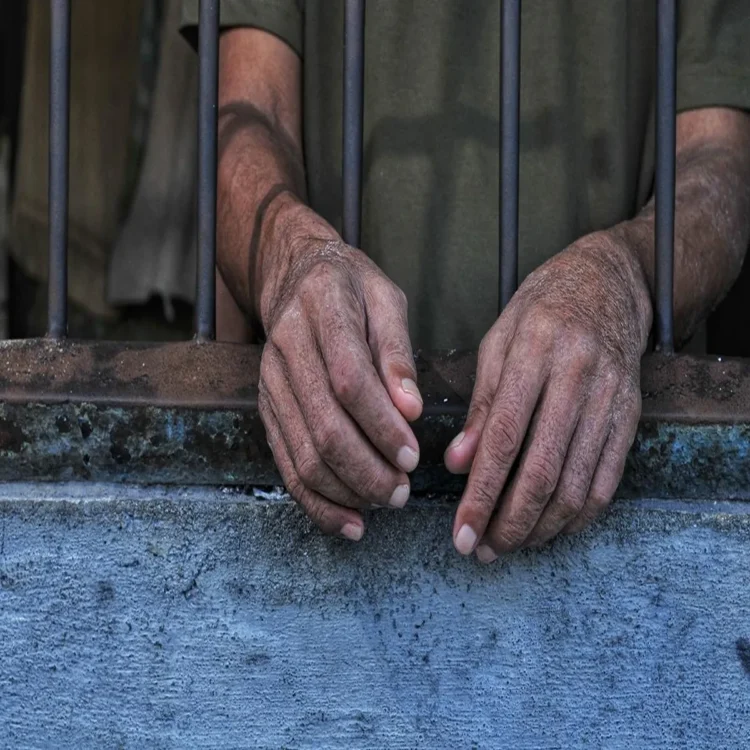
Supreme Court Calls for Uniform Compassionate Release Policy
The directive was issued on Thursday by a Bench comprising Justice Vikram Nath and Justice Sandeep Mehta during the hearing of a Public Interest Litigation (PIL) filed by the National Legal Services Authority (NALSA). The petition sought the adoption of consistent nationwide guidelines for the compassionate release of prisoners who are terminally ill, seriously sick, physically infirm, or aged, with particular attention to inmates above the age of 70.
The Court observed that a standardized policy across the country would help ensure equal treatment while addressing the humanitarian concerns of vulnerable prisoners nearing the end of their lives.
States Asked to Define Eligibility and Procedures
According to the Court’s directions, every State and Union Territory must clearly specify the eligibility requirements and establish a detailed procedure for examining applications seeking early release. The policy is also required to be prepared in consultation with the respective State Legal Services Authorities (SLSAs) so that legal and administrative aspects are properly addressed.
The Bench emphasized that clearly defined rules would reduce ambiguity and promote consistency in decision-making across different jurisdictions.
Clear Definition of Terminal Illness Required
The Supreme Court further instructed governments to include a precise definition of the term “terminal illness” in their respective policies. This clarification is expected to help authorities assess applications based on uniform medical standards rather than varying interpretations.
While drafting the policy, the Court suggested that States may refer to the United Nations Office on Drugs and Crime (UNODC) Handbook on Prisoners with Special Needs for guidance on handling cases involving vulnerable inmates.
Independent Medical Boards to Assess Prisoners
To ensure impartial medical evaluation, the Bench directed the establishment of independent Medical Boards at both the divisional and State levels. These boards will be responsible for determining whether a prisoner is suffering from a terminal illness or faces advanced medical vulnerability that may justify compassionate release.
The Court underlined that medical assessments should remain objective and independent, reducing the possibility of arbitrary decisions while protecting the rights of eligible prisoners.
Court Stresses Need for Timely Decisions
Highlighting the humanitarian aspect of the issue, the Supreme Court said unnecessary procedural delays must be avoided. The Bench noted that eligible prisoners should not be forced to spend their remaining months or years in custody simply because of administrative inefficiency or prolonged decision-making.
By introducing a technology-driven process through the e-Prisons platform, the Court expects applications to be handled more efficiently, improving transparency and reducing delays in processing.
Other Matters Heard by the Supreme Court
In a separate hearing, the Uttar Pradesh Police informed the Supreme Court that former Union Minister Ajay Mishra and his son Ashish Mishra, who are accused in the 2021 Lakhimpur Kheri violence case involving the deaths of four people, were not involved in the alleged intimidation of witnesses. The police also stated that no chargesheet had been filed against them on that allegation. The Bench was informed that the trial is expected to conclude within the next three months.
In another matter, the Supreme Court declined to entertain a group of contempt petitions alleging that certain demolitions violated its November 2024 judgment that laid down safeguards against so-called “bulldozer justice.” The Court advised petitioners to approach the respective High Courts for appropriate relief.