
Pollution – Delhi Sees Unusual March With Heat, Rain and Rising Pollution Levels
Pollution – Delhi witnessed a rare mix of weather conditions throughout March this year, marked by fluctuating temperatures, intermittent rainfall, and persistently high pollution levels. The combination created an unusual environmental pattern, making the month stand out in recent records for multiple reasons.
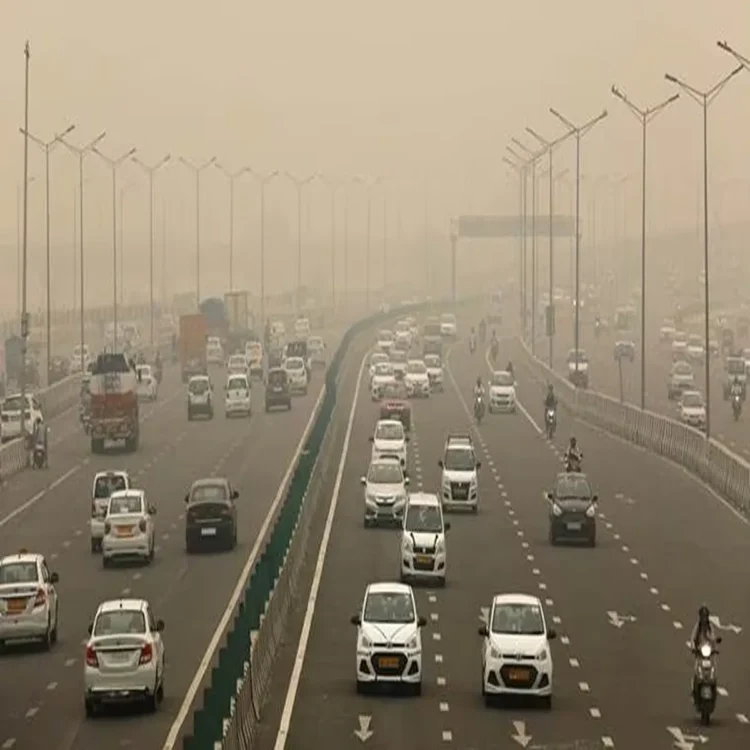
Air Quality Remains a Major Concern
Data analysis shows that March 2026 turned out to be the most polluted March the city has experienced in the past four years. The average Air Quality Index (AQI) reached 181 by March 30, a noticeable rise compared to recent years. In 2022, the AQI had been higher at 217, but since then, levels had remained relatively lower until this year.
For context, the average AQI stood at 170 in 2023, rose slightly to 176 in 2024, and returned to 170 in 2025. This year’s figures highlight a reversal of that relatively stable trend, raising fresh concerns among environmental experts.
A closer look at daily air quality categories reveals that Delhi recorded only one day with ‘satisfactory’ air quality during the entire month. Most days fell under the ‘moderate’ category, totaling 22, while eight days were classified as ‘poor’. This pattern reflects a steady presence of pollutants in the atmosphere, even if extreme conditions were limited.
Comparing Trends From Previous Years
Looking at historical data, March 2022 had a significantly higher number of ‘poor’ air quality days, totaling 19, alongside 12 ‘moderate’ days. In contrast, 2023 saw some improvement, with three ‘satisfactory’ days, 20 ‘moderate’ days, and eight ‘poor’ days.
The trend continued to improve slightly in 2024, when the city recorded 26 ‘moderate’ days and only five ‘poor’ days. However, 2025 showed mixed results, with two ‘satisfactory’ days, 20 ‘moderate’ days, and nine ‘poor’ days. Against this backdrop, 2026 stands out for its higher average AQI despite fewer extreme ‘poor’ days.
One notable spike occurred on March 10, when the AQI reached 266, marking the highest level recorded for the month since 2023.
Rising Temperatures Add to Concerns
In addition to pollution, temperatures in March 2026 were among the highest recorded in recent years. The average maximum temperature reached 32.6 degrees Celsius, making it the warmest March in four years. The last time temperatures exceeded this level was in 2022.
Minimum temperatures also followed a similar trend. The average minimum temperature stood at 17.6 degrees Celsius, again the highest in four years. These elevated temperatures contributed to discomfort and may have influenced pollution dispersion patterns.
Rainfall Fails to Offset Heat Impact
Despite the warmer conditions, Delhi also experienced its wettest March in the last three years. Total rainfall for the month was recorded at 19.82 mm. Although this figure is lower than the 50.4 mm recorded in March 2023, it still marks a significant increase compared to the past two years.
However, the rainfall did not lead to a noticeable drop in daytime temperatures. Weather experts explain that most of the showers occurred later in the day, often after peak temperatures had already been reached. As a result, the cooling effect of rain remained limited.
Changing Nature of Pollution
Environmental analysts have also pointed to a shift in the composition of pollution this year. Instead of focusing solely on particulate matter, there is growing evidence that gaseous pollutants are playing a larger role.
Substances such as ozone, carbon monoxide, sulphur dioxide, and nitrogen dioxide have become increasingly significant contributors to overall air quality levels. Experts emphasize that addressing these pollutants is now essential for improving the city’s environment.
A Month of Mixed Environmental Signals
March 2026 highlights how complex and interconnected weather and pollution patterns have become in Delhi. The coexistence of rainfall, high temperatures, and persistent pollution suggests that traditional assumptions about seasonal changes may no longer hold true.
As authorities and researchers continue to study these trends, the data underscores the need for a broader and more adaptive approach to managing both air quality and climate-related challenges in the capita