
Plantation – Delhi Development Authority Nears One-Third of Mega Green Drive Target
Plantation – The Delhi Development Authority (DDA) has made rapid progress in its large-scale plantation campaign, achieving close to 30 percent of its seasonal target within a short period. Officials said more than 6.62 lakh saplings have already been planted, including over 37,000 trees and nearly 6.25 lakh shrubs, as part of an ambitious effort to expand the Capital’s green cover.
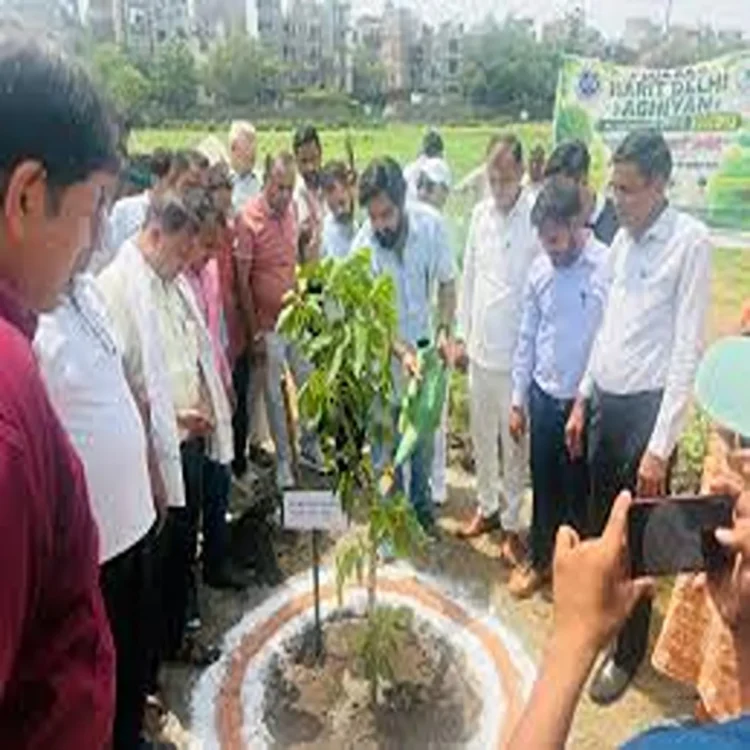
Campaign Advances With Focus on Sustainable Growth
The plantation programme, which began during the first week of July, is being implemented under the guidance of Lieutenant-Governor Taranjit Singh Sandhu. The initiative is centred on improving Delhi’s ecological balance by restoring degraded green spaces, promoting environmental sustainability and strengthening the city’s natural infrastructure.
Authorities said the campaign is progressing according to schedule, with regular reviews being conducted to monitor both implementation and the long-term health of the newly planted saplings.
Native Species Chosen to Improve Urban Ecology
The ongoing drive gives priority to native and climate-resilient plant varieties that are better suited to Delhi’s environmental conditions. Officials believe these species will help improve biodiversity, capture more carbon, regulate local temperatures and create stronger ecological links between the city’s green zones.
The plantation exercise is expected to continue until the middle of September 2026, allowing sufficient time to complete the seasonal target while taking advantage of favourable monsoon conditions.
Monitoring Ordered to Improve Survival Rate
Lieutenant-Governor Taranjit Singh Sandhu has instructed all concerned departments to maintain continuous supervision of plantation sites. The emphasis, officials said, is not limited to planting saplings but also ensuring their survival through regular care, maintenance and monitoring.
The administration considers post-plantation management essential for increasing Delhi’s long-term green cover and ensuring that the environmental benefits of the campaign are fully realised.
Environmental Benefits Expected Across the Capital
According to the DDA, the plantation drive is expected to deliver multiple environmental gains beyond increasing the number of trees. These include improvements in air quality, better groundwater recharge, enhanced habitats for birds and wildlife, and a healthier urban ecosystem.
Officials also said expanding green spaces can contribute to lowering urban heat levels while making neighbourhoods more environmentally resilient in the years ahead.
Part of Mission 70 Lakh Plantation Programme
The campaign forms an important component of Delhi’s Mission 70 Lakh Plantation initiative being carried out under the “Ek Ped Maa Ke Naam” programme, which was launched by Union Home and Cooperation Minister Amit Shah on July 7.
Under the citywide mission, the DDA has been assigned the responsibility of planting nearly 23 lakh native saplings during the current plantation season. With more than 6.62 lakh saplings already planted, officials said the authority has made encouraging early progress toward its assigned objective.
Public Participation Remains a Key Priority
To widen community involvement, the DDA has joined hands with Resident Welfare Associations, schools, colleges, religious institutions, volunteer organisations and corporate bodies. The administration aims to transform the plantation campaign into a broader public movement by encouraging citizens to actively participate in greening their local communities.
Officials believe community ownership will also help improve maintenance and survival rates of the newly planted saplings over the coming months.
Plantation Spread Across Major Green Zones
The plantation work is being carried out across an extensive network of public green spaces managed by the DDA. These include 675 parks, the South Central Ridge, Central Ridge, Northern Ridge and Nanakpura Ridge, along with six biodiversity parks, designated green corridors and several other identified ecological restoration sites across Delhi.
By covering a wide geographical area, authorities hope the campaign will strengthen the city’s environmental resilience while creating healthier and more connected green landscapes for future generations.