
Petrol Exports – Puri Rejects Claims of Direct Indian Fuel Sales to Russia
Petrol Exports – Petroleum Minister Hardeep Singh Puri has dismissed reports suggesting that Indian refiners are directly exporting petrol to Russia, saying no public-sector or private refinery in the country is currently sending gasoline shipments to the Russian market.
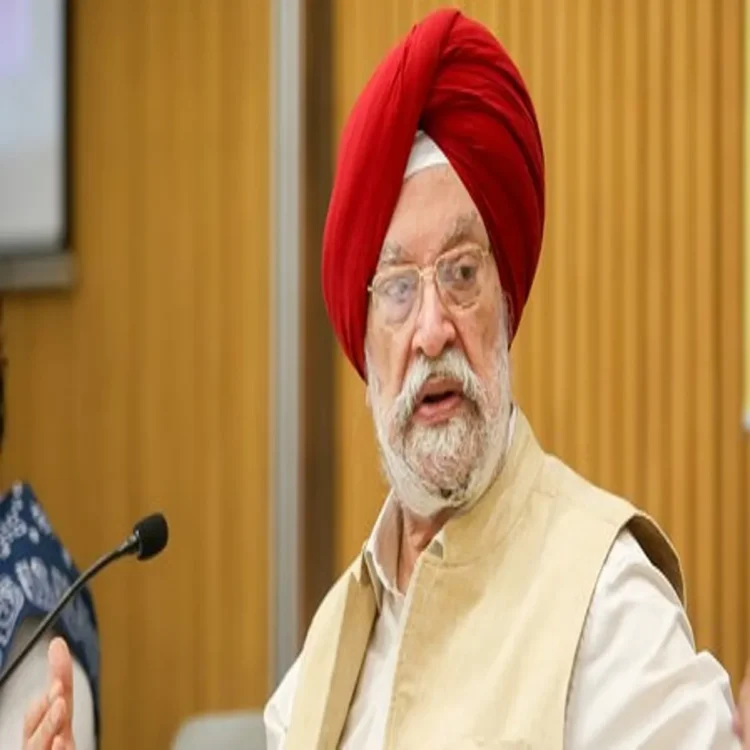
His comments followed reports that Russia had received seaborne gasoline cargoes linked to India as it sought to address domestic supply pressures after Ukrainian strikes affected parts of its refining infrastructure. Puri said the movement of petroleum products through international trading networks can make it difficult to identify the final commercial route of a shipment.
Minister points to role of international traders
Speaking to reporters on Thursday, Puri said Indian refiners had not supplied gasoline directly to Russia. He added that a cargo originating in India may change hands through traders and intermediaries before reaching its final destination.
“None of the Indian refiners, including private refiners, are exporting gasoline to Russia,” Puri said. He noted that crude oil and refined products are commonly bought and sold several times during international trade, meaning the country of origin may not be the same as the immediate supplier recorded at the destination.
The minister’s clarification addressed speculation around recent fuel shipments reported to have reached Russia from India. Some reports said around 60,000 metric tonnes of gasoline had already been dispatched, while others referred to two tankers carrying cargoes estimated at between 30,000 and 40,000 tonnes each.
Reports linked shipments to Russian supply concerns
The reported deliveries came at a time when Russia has faced pressure on its domestic refining system. Ukrainian drone attacks have disrupted operations at several Russian facilities in recent months, raising concerns over the availability of petrol within the country.
Russia is a major oil producer and exporter, but interruptions at refineries can affect the supply of finished fuels such as gasoline and diesel. The reported Indian-origin cargoes were seen by some market observers as part of efforts to manage short-term supply gaps.
However, Puri’s statement made clear that Indian companies were not directly involved in fuel sales to Russia. His remarks underline the complexity of global petroleum trading, where shipments can be purchased, resold and rerouted by companies operating across different regions.
India remains a major refining and export centre
Puri also highlighted India’s broader position in the global refining industry. He said the country has developed into one of the world’s leading centres for processing crude oil and exporting petroleum products.
Indian refineries supply petrol, diesel, aviation turbine fuel and other refined products to more than 140 countries, according to the minister. Both state-owned and private companies operate large refining facilities that serve domestic demand as well as overseas markets.
India imports a significant share of the crude oil it processes, including supplies from a range of producing countries. The refined products made at Indian facilities are then sold in domestic markets and exported through established commercial channels.
Fuel price cuts depend on crude market stability
On the possibility of lower petrol and diesel prices in India, Puri said a reduction could be considered if international crude oil prices remain near current levels for the coming months.
Retail fuel prices are influenced by several factors, including global crude prices, exchange rates, taxes, freight costs and refinery margins. A sustained period of stable or lower crude prices could create room for a revision in domestic fuel rates, though the minister did not indicate any immediate decision.
The government and oil marketing companies continue to monitor international energy markets closely, particularly as geopolitical developments can quickly affect crude oil prices and fuel supply conditions