
Parliament – Proposed Delimitation Plan Aims to Expand Lok Sabha Seats Nationwide
Parliament – The Union government is preparing a significant legislative move that could reshape parliamentary representation across the country. The proposed delimitation plan, tied to the implementation of 33 percent reservation for women in legislatures, seeks to substantially increase the number of seats in the Lok Sabha while maintaining the current balance among states.
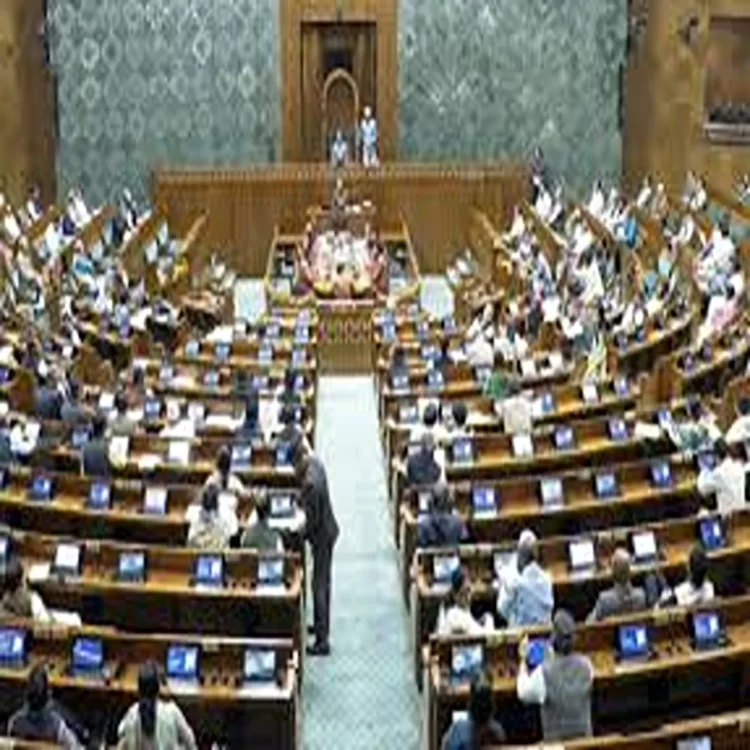
Plan Focuses on Uniform Expansion of Seats
According to sources familiar with the proposal, the total strength of the Lok Sabha may rise by nearly 50 percent, increasing from the existing 543 seats to around 850. The key principle guiding the plan is proportional expansion, meaning every state would see its seat count grow by a similar percentage rather than through redistribution based solely on population changes.
Officials indicate that this approach is intended to ensure stability in representation. By increasing seats uniformly, the government aims to prevent any region from losing its relative share in Parliament. This is particularly relevant for southern states, which have expressed concerns in the past about potential disadvantages under population-based redistribution.
No Reduction in Representation for Any State
Government sources have clarified that the proposal is designed to avoid any perceived imbalance. Each state’s representation would increase proportionately, preserving the existing distribution pattern. The objective is to strengthen representation without altering the relative standing of states within the Lok Sabha.
For example, Tamil Nadu’s current allocation of 39 seats could rise to approximately 59 under the proposed formula. Similarly, Kerala’s representation may increase from 20 to 30 seats, while Andhra Pradesh could see its tally go up from 25 to 37 seats. Odisha and Telangana are also expected to witness comparable increases in their parliamentary presence.
Census Data Not Sole Determining Factor
Another important aspect of the proposal is the government’s stance on the use of census data. While the 2011 Census continues to serve as a reference point for various administrative and welfare programs, it is not expected to be the sole basis for determining seat allocation in this delimitation exercise.
Instead, the government appears to be adopting a broader approach that balances demographic data with the principle of federal fairness. This means that population figures will be considered, but not in a way that disrupts the existing equilibrium among states.
Government Responds to Opposition Concerns
The proposal has drawn criticism from opposition parties, particularly regarding the lack of clarity in earlier drafts about the extent of seat increases. However, government representatives have rejected these concerns, stating that the framework ensures equal treatment for all states.
Union Parliamentary Affairs Minister Kiren Rijiju has defended the plan, emphasizing that fears related to population-based redistribution are unfounded. He noted that the same census data is already widely used for policy implementation and resource allocation across the country.
According to him, the proposed expansion reflects a commitment to cooperative federalism, ensuring that no state is disadvantaged in the process. He also indicated that further details would be presented and clarified during parliamentary discussions.
Legislative Steps Expected Soon
The government is expected to introduce multiple bills related to this reform during an upcoming parliamentary session. These measures are likely to outline the mechanism for seat expansion and the implementation of women’s reservation in legislatures.
If passed, the delimitation exercise could mark a significant shift in India’s parliamentary structure, increasing representation while attempting to maintain regional balance. The coming debates in Parliament will play a crucial role in shaping the final outcome of this proposal.