
NEET UG – Medical Associations Seek Major Exam System Reforms After Cancellation
NEET UG – The cancellation of NEET-UG 2026 has intensified demands for urgent restructuring of India’s medical examination system, with several doctors’ organisations calling for stricter oversight, transparent investigations, and accountability at the highest levels.
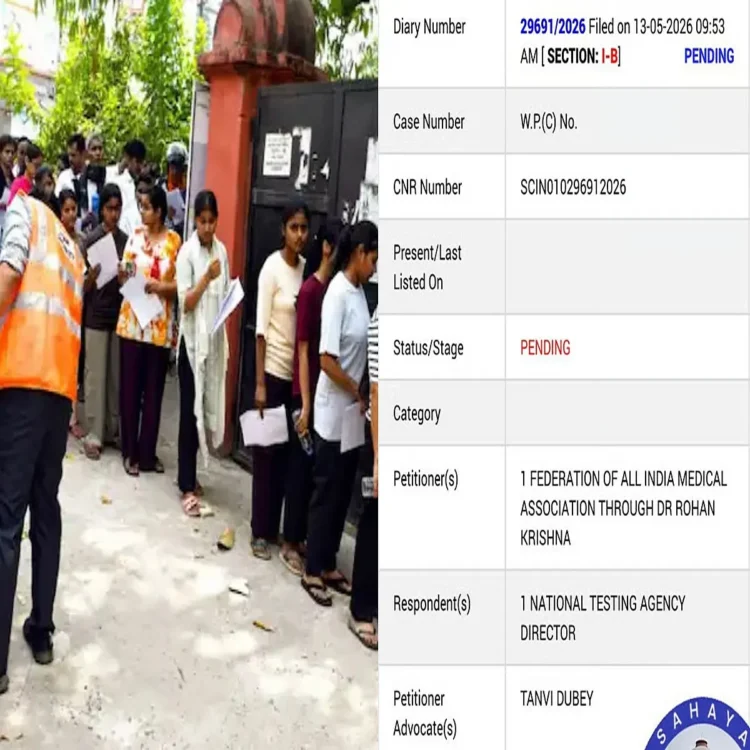
The controversy surrounding the national medical entrance examination deepened on Tuesday as multiple medical bodies raised serious concerns over the functioning of the examination process. Several organisations alleged that recurring irregularities in recent years have weakened public trust in the system and created uncertainty among lakhs of medical aspirants across the country.
Doctors’ Groups Raise Concerns Over Examination Integrity
The United Doctors Front (UDF) submitted a letter to the Prime Minister seeking extensive reforms in the medical entrance examination framework. The organisation argued that issues linked to the current controversy may have roots in previous examination-related irregularities that surfaced in earlier years.
According to UDF Chairperson Dr. Lakshya Mittal, allegations connected to examination leaks and procedural lapses were not investigated thoroughly in the past. He claimed that insufficient action against those allegedly involved had contributed to repeated disruptions in the examination process.
The organisation also expressed concern over the role of agencies responsible for conducting and regulating medical education examinations. It called for a detailed and independent inquiry into the matter, demanding transparency and timely action against anyone found responsible.
Demand for Structural Changes in Medical Education Governance
The UDF stated that the repeated controversies indicate deeper administrative and systemic shortcomings. The association urged the government to review the existing examination model and reconsider the involvement of external agencies in conducting highly competitive national-level tests.
Dr. Mittal said the credibility of the medical education system had suffered due to repeated incidents affecting examination security and fairness. He also criticised the functioning of the National Medical Commission (NMC), alleging inadequate attention to concerns raised by medical students regarding institutional practices and working conditions during training.
The organisation further sought strict legal action against all individuals linked to any examination-related wrongdoing, including intermediaries and organised networks that may influence the admission process. It stressed that no person should receive political or administrative protection during the investigation.
Call for Transparent and Time-Bound Investigation
In a separate statement, the UDF described the cancellation of NEET-UG 2026 as a highly serious development with long-term implications for students and medical education institutions. The body maintained that conducting the examination again would not fully resolve concerns unless deeper structural issues were addressed.
The association recommended a high-level investigation supervised by an independent authority. It also urged authorities to complete the inquiry within a fixed timeline to restore confidence among students and parents.
Medical education experts have repeatedly highlighted the importance of maintaining credibility in competitive examinations because they directly impact academic careers and future professional opportunities. Any uncertainty in the process can create widespread anxiety among aspirants preparing for years to secure admission into medical colleges.
FAIMA Highlights Student Stress and Academic Uncertainty
The Federation of All India Medical Associations (FAIMA) also criticised the developments, stating that the situation had caused emotional distress for students and families nationwide. FAIMA Chief Patron Dr. Rohan Krishnan described the disruption as deeply concerning for middle-class families whose children aspire to pursue medical education.
The association warned that repeated examination cancellations and delays could negatively affect academic schedules and increase psychological pressure on candidates preparing for one of the country’s most competitive entrance tests.
FAIMA requested the authorities to announce revised examination dates at the earliest to reduce uncertainty among students. It also urged the government to strengthen monitoring mechanisms and implement broader reforms aimed at improving governance within the medical education system.
Several student groups and education experts have also called for measures to enhance examination security, improve transparency, and ensure accountability in the administration of national-level entrance examinations.