
NDAPolitics – Sharad Pawar Faces Tough Choice Over Key Parliamentary Bills
NDAPolitics – Political developments in Maharashtra and New Delhi have drawn attention as discussions continue over major legislative proposals, while administrative decisions within the state government have also become a topic of debate.
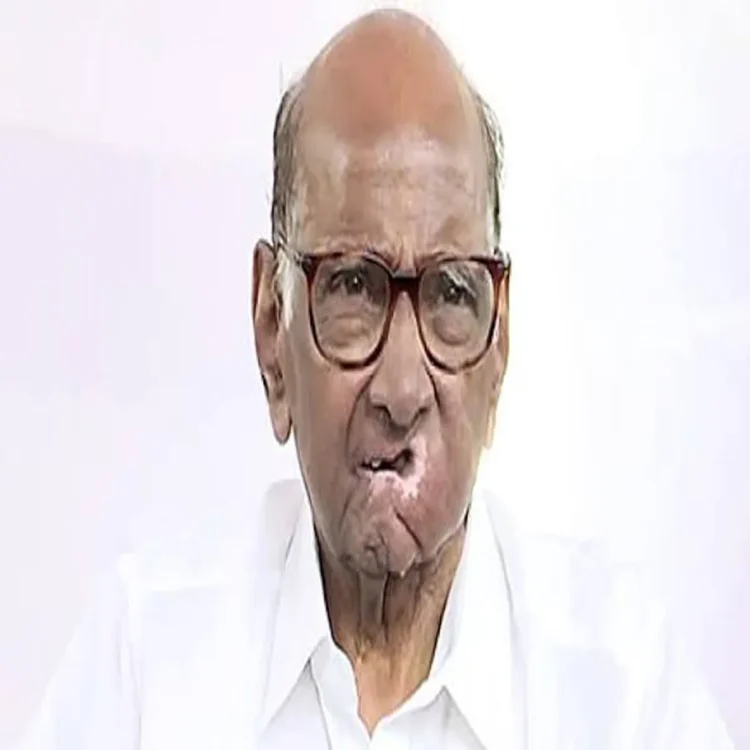
The Nationalist Congress Party (Sharadchandra Pawar), led by veteran leader Sharad Pawar, is navigating a politically sensitive situation over two significant proposals expected to come before Parliament—the Women’s Reservation Bill and the Delimitation Bill. The party’s position has attracted interest because of its potential impact on future political alignments at the national level.
Pawar Balances Political Strategy and Party Identity
Despite maintaining cordial personal relations with leaders across party lines over the years, Sharad Pawar has consistently kept his political distance from the Bharatiya Janata Party (BJP). However, recent discussions suggest that a section of his party believes joining the BJP-led National Democratic Alliance (NDA) could provide greater political relevance and participation in governance.
The NCP (SP) currently has ten members in the Lok Sabha, making its support valuable during discussions on important legislation. Even so, sources indicate that Pawar and Lok Sabha MP Supriya Sule remain cautious about formally becoming part of the ruling alliance. They are believed to be focused on preserving the party’s long-standing secular and progressive political identity, which they associate with the legacy of Maharashtra’s first Chief Minister, Yashwantrao Balwantrao Chavan.
Maharashtra Assembly Records Extended Working Hours
The recently concluded monsoon session of the Maharashtra Legislature witnessed lengthy proceedings across both Houses. According to official figures, the Legislative Assembly functioned for 14 days, completing nearly 128 hours of business during the session. On average, members conducted proceedings for almost ten hours each day.
However, legislative business experienced a brief interruption of around 25 minutes because ministers were not present in the House at one stage of the session. During Question Hour in both the Assembly and the Legislative Council, legislators submitted 9,094 questions. Of these, 410 were admitted for discussion, while ministers responded to 58 questions.
The Legislative Council also held several late-night sittings to ensure that members from different parties had sufficient opportunity to present constituency concerns and participate in debates on public issues.
Guidelines Issued for Appointment of Personal Assistants
Meanwhile, the state’s ruling establishment has reportedly issued directions regarding the appointment of personal assistants by ministers and legislators. According to people familiar with the matter, preference is being given to individuals who have an established background in the Rashtriya Swayamsevak Sangh (RSS) or organisations associated with it.
The reported instructions also emphasise verification of such claims. If an individual identifies themselves as being connected with the RSS or an affiliated organisation, officials are expected to verify those credentials before assigning any responsibilities. The objective, according to sources, is to ensure that only genuine applicants receive appointments.
Organisational Links Seen as Administrative Advantage
People familiar with the functioning of the state administration say individuals with recognised links to the RSS or its affiliated organisations often find it easier to coordinate with ministers, government departments and administrative offices. Such networks are viewed as useful in facilitating communication within the government system.
Sources also note that references to the “RSS Parivar” and the organisation’s internal structure are frequently heard in Maharashtra’s political and administrative circles, reflecting the influence of ideological and organisational networks within the current ruling setup. These developments continue to shape political discussions as both state and national leaders prepare for upcoming legislative and electoral challenges.