
National Honour – Rajya Sabha Approves Bill Granting Legal Protection to Vande Mataram
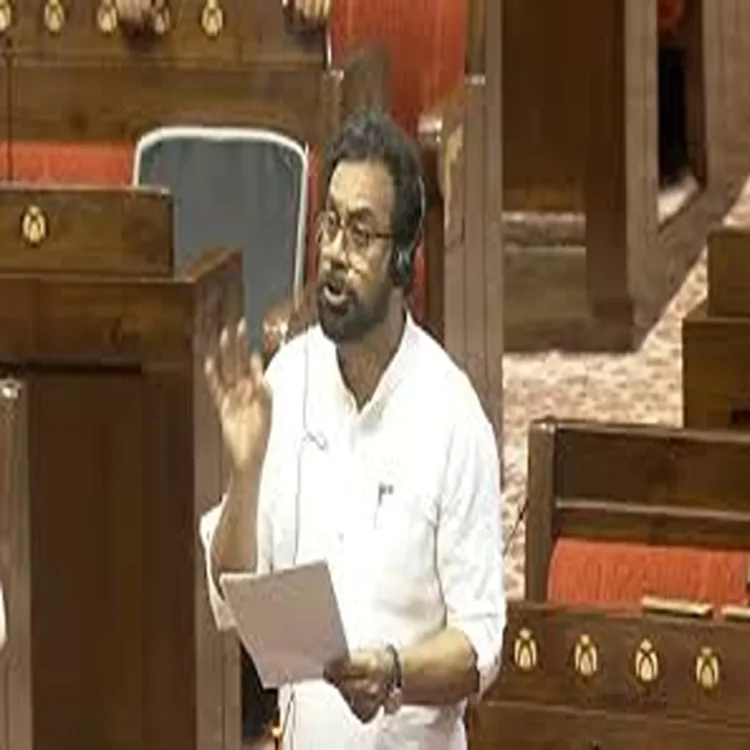
National Honour – The Rajya Sabha on Wednesday approved the Prevention of Insults to National Honour (Amendment) Bill, 2026 through a voice vote after Opposition members staged a walkout. The protest was linked to their demand for a statement from Union Home Minister Amit Shah regarding police action against demonstrators in the national capital over the alleged NEET paper leak. Despite repeated disruptions during the proceedings, the Upper House completed discussion on the legislation before passing it.
Bill Expands Protection Under Existing Law
The amendment introduces changes to the Prevention of Insults to National Honour Act, 1971, by making any deliberate insult or act of disrespect toward the national song, Vande Mataram, a punishable offence. With the passage of the Bill in the Rajya Sabha, Vande Mataram will receive statutory protection similar to that already provided to the national anthem, Jana Gana Mana, under the law.
The revised provisions also state that any act of desecration or intentional disrespect directed at the national flag, the Constitution of India, the national anthem, or Vande Mataram could result in imprisonment of up to three years, in accordance with the amended legislation.
Proceedings Marked by Repeated Disruptions
The House witnessed interruptions throughout the day before resuming its scheduled business. After two adjournments, Deputy Chairman continued with legislative proceedings while Opposition members continued raising slogans inside the chamber. He appealed to members to maintain order and allow the discussion to proceed in a structured manner.
As debate on the Bill progressed, Opposition parties eventually walked out of the House. Their exit came while Union Minister of State for Social Justice and Empowerment Ramdas Athawale was participating in the discussion on the proposed amendments.
Government Questions Opposition’s Stand
Responding to the debate before the legislation was passed, Union Minister of State for Home Affairs Nityanand Rai addressed concerns raised during the discussion. He noted that members from different parties had presented their views but questioned the Congress party’s opposition to the proposed amendments.
Rai alleged that the Congress had, in his view, disrespected Vande Mataram through what he described as a policy of appeasement. He further argued that opposing the national song strengthens the morale of groups that raise slogans against the unity of the country. His remarks formed part of the government’s defence of the Bill during the concluding stages of the debate.
Legislative Significance
The passage of the Bill in the Rajya Sabha represents a significant legislative step toward extending legal safeguards for national symbols. By bringing Vande Mataram within the scope of the Prevention of Insults to National Honour Act, the amendment seeks to place the national song on an equal legal footing with the national anthem in matters relating to protection against insult or disrespect.
The development also unfolded against the backdrop of political tensions over the NEET paper leak issue, which continued to influence proceedings in Parliament. While the Opposition maintained its demand for a statement from the Union Home Minister on the police response to protesters, the government proceeded with the legislative agenda, leading to the Bill’s approval through a voice vote despite the walkout.