
Mobility – Delhi’s Shared E-Bike Network Faces Growth Challenges Despite Demand
Mobility – Delhi’s efforts to promote environmentally friendly transportation through shared electric bicycles are delivering mixed results, with commuters continuing to use the service in several areas while operational shortcomings limit its wider effectiveness. A recent ground assessment at multiple Metro stations highlighted significant differences in bicycle availability, maintenance standards, and service coverage across the city.
Strong Demand at Key Transit Locations
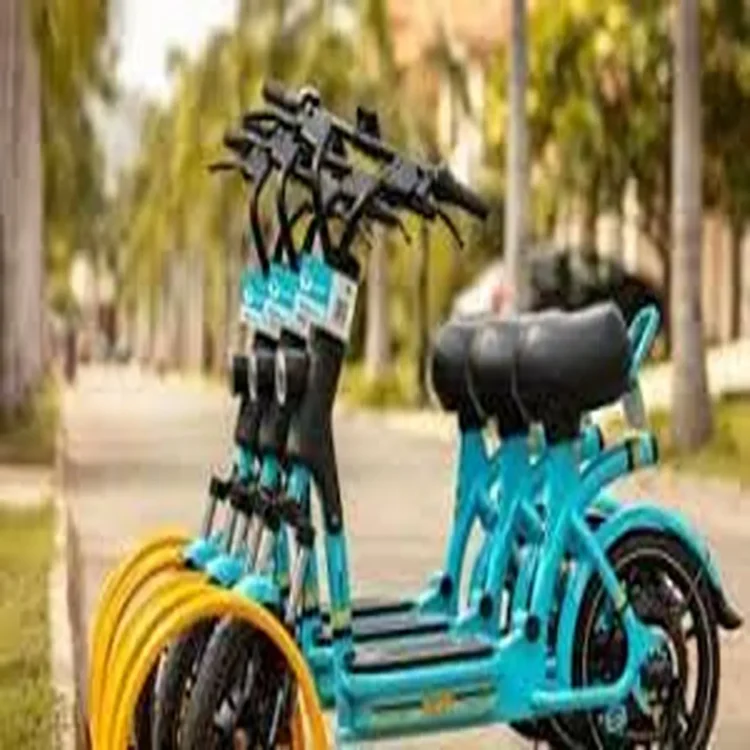
Some of Delhi’s busiest Metro stations continue to witness healthy demand for electric bicycles. At Mandi House Metro Station, a major interchange point for thousands of daily passengers, most of the available bicycles were being actively used during peak commuting hours. The high utilization reflects growing acceptance of shared mobility among office workers, students, and regular Metro users seeking quick and affordable transportation options after exiting the station.
Many commuters view electric bicycles as a practical alternative to auto-rickshaws for short trips. Users say the service helps reduce travel time while also lowering transportation costs, making it an attractive option for daily urban travel.
Service Gaps Visible at Several Stations
While demand remains strong in certain locations, other parts of the network tell a different story. At Malviya Nagar Metro Station, the designated bicycle area had almost no operational vehicles available. Local residents and transport operators in the vicinity reported that bicycle availability has remained extremely limited for an extended period.
A similar situation was observed at Dilli Haat-INA Metro Station, where no shared bicycles were present during the survey. Regular commuters and nearby transport workers indicated that the service had gradually become inactive in the area months ago, reducing access to alternative last-mile transportation options for Metro passengers.
Operational Challenges Affecting Expansion
People familiar with the system point to several recurring issues that continue to affect service quality. Improper parking practices, including bicycles being left away from designated docking locations, have created management difficulties and occasionally caused inconvenience for pedestrians.
Maintenance concerns have also emerged as a major obstacle. In some cases, bicycles remained unavailable because of battery-related issues or mechanical problems. Such disruptions reduce fleet reliability and can discourage potential users from depending on the service for regular travel.
Popular Areas Continue to Attract Riders
Despite these challenges, shared electric bicycles remain a common sight in several high-footfall areas of the capital. Locations such as Connaught Place, India Gate, and Mandi House continue to record steady usage, particularly during evening hours.
Young professionals, tourists, delivery workers, and leisure riders frequently use the bicycles to travel short distances efficiently. The flexibility of app-based rentals and the ability to avoid traffic congestion have contributed to the continued popularity of the service in these zones.
Infrastructure and Coverage Remain Key Concerns
According to information provided by the Delhi Metro Rail Corporation, conventional pedal bicycles are available at a number of Metro stations, while battery-powered bicycles operate across a wider section of the network. However, visits to multiple locations suggest that actual availability on the ground often varies considerably.
Urban mobility experts believe the long-term success of shared bicycle services in Delhi will depend on stronger operational management, broader station coverage, and improved cycling infrastructure. Dedicated cycling lanes, better maintenance systems, and consistent vehicle deployment are considered essential for encouraging greater public adoption.
As Delhi continues its push toward sustainable transportation, the performance of its shared e-bike network highlights both the opportunities and challenges involved in creating reliable last-mile connectivity for millions of daily commuters.