
Mediation – Jaipur Conference Highlights Peace as a Foundation of the Rule of Law
Mediation – A three-day Commonwealth Peace, Mediation and Rule of Law Conference commenced in Jaipur on Saturday, bringing together members of the judiciary and government to discuss the growing importance of mediation in strengthening justice systems and promoting lasting peace. Rajasthan Chief Minister Bhajanlal Sharma joined Chief Justice of India Justice Surya Kant in inaugurating the event, which focuses on the evolving role of peaceful dispute resolution within modern legal frameworks.
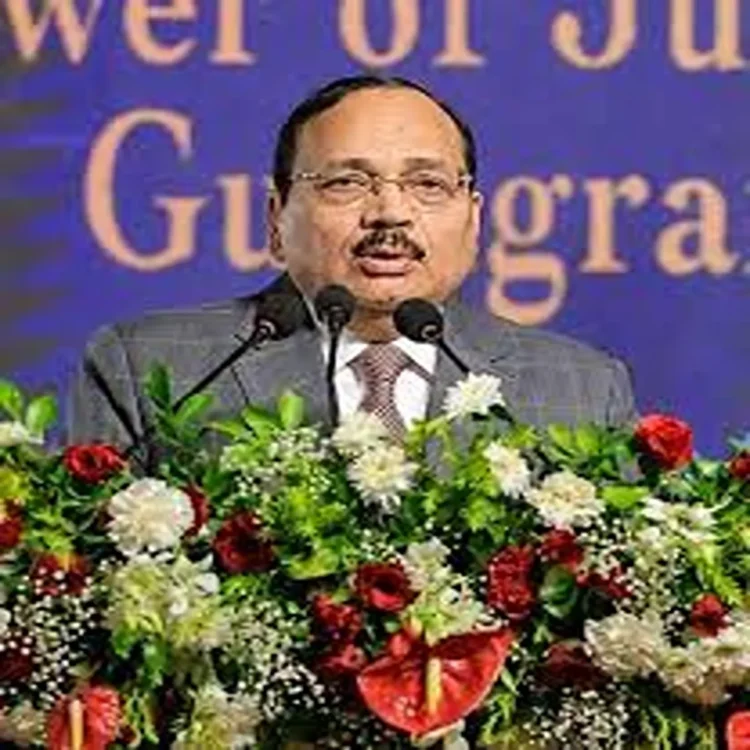
Conference Focuses on Peace Within the Justice System
Addressing the gathering, Chief Justice of India Justice Surya Kant underlined that peace and the rule of law should not be treated as separate concepts. He said that legal systems are not limited to courtrooms, judicial precedents or formal judgments alone, but also serve the broader purpose of creating harmony within society through fair and effective dispute resolution.
According to the Chief Justice, the long-held belief that peace belongs only to dialogue and compromise while the rule of law belongs exclusively to courts is outdated. He noted that mediation demonstrates how both principles work together, helping people resolve conflicts while reinforcing confidence in the justice system. In his view, peace should be regarded as one of the most significant outcomes that a strong legal framework can achieve.
Mediation Seen as an Essential Part of Modern Justice
Justice Surya Kant said that mediation offers individuals and institutions an opportunity to settle differences constructively before conflicts become prolonged legal battles. He stressed that the justice system should encourage solutions that not only uphold legal rights but also preserve relationships and social stability wherever possible.
The conference aims to encourage wider discussions on how mediation can complement judicial processes, reduce litigation, and contribute to stronger legal institutions across Commonwealth nations. Experts, legal professionals and policymakers participating in the event are expected to exchange views on improving access to justice through collaborative approaches.
Earlier Remarks on International Commercial Disputes
The Chief Justice’s remarks in Jaipur follow his recent address at an international conference held in New Delhi on July 24 to mark the 60th anniversary of the United Nations Commission on International Trade Law (UNCITRAL). During that event, he highlighted the critical role played by arbitration and mediation in maintaining confidence in global commercial relationships.
He observed that as economies become increasingly interconnected, businesses require reliable legal mechanisms to resolve disagreements efficiently. Arbitration and mediation, he said, provide trusted alternatives that prevent commercial disputes from disrupting international trade and investment.
Building Trust Through Alternative Dispute Resolution
Speaking at the New Delhi conference, Justice Surya Kant noted that although the global economy has evolved significantly over time, the challenge of maintaining trust during disagreements remains unchanged. He explained that arbitration and mediation have become essential pillars of the international legal system because they help resolve disputes without unnecessarily affecting business continuity.
According to the Chief Justice, these alternative dispute resolution mechanisms allow commercial disagreements to remain temporary interruptions rather than long-term obstacles. He said their continued relevance reflects the need for legal processes that are both efficient and capable of supporting stable economic growth in an increasingly connected world.
The discussions at both conferences reinforce the growing recognition of mediation and arbitration as important tools for strengthening justice delivery, promoting peaceful conflict resolution, and supporting economic and social development through dependable legal institutions.