
Martyrdom – Tribute Paid to Sardar Teja Singh Samundri on His 100th Martyrdom Anniversary
Martyrdom -Senior leaders and dignitaries gathered in New Delhi on Friday to remember the enduring contributions of Sardar Teja Singh Samundri during a special commemorative event marking the 100th anniversary of his martyrdom.
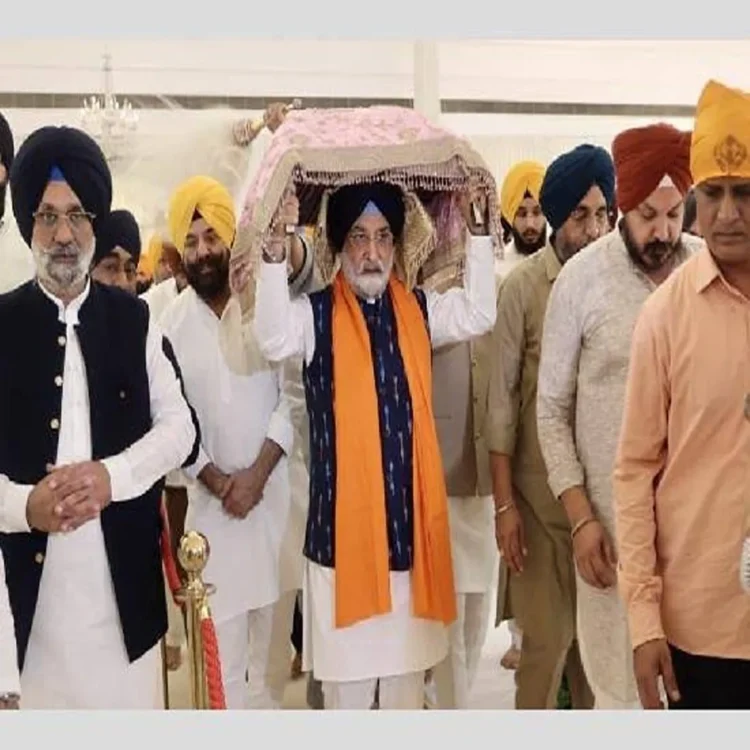
Lieutenant Governor Taranjit Singh Sandhu paid homage to his grandfather, Sardar Teja Singh Samundri, at a solemn ceremony held at Gurdwara Rakab Ganj Sahib. The event highlighted Samundri’s contribution to Sikh religious reforms and his commitment to community service during a defining period in India’s history.
Religious Ceremony Marks the Occasion
The programme began with a devotional Shabad Kirtan performed by Padma Shri awardee Bhai Harjinder Singh, creating a reflective atmosphere for those in attendance. The gathering concluded with Guru ka Langar, continuing the Sikh tradition of serving meals to all visitors without distinction and reinforcing the values of equality and selfless service.
A Leading Figure in the Gurdwara Reform Movement
Sardar Teja Singh Samundri is remembered as one of the influential personalities of the Akali movement and a significant participant in the Gurdwara Reform Movement of the early twentieth century. The movement aimed to establish representative community management of Sikh shrines and played an important role in shaping modern Sikh religious institutions.
During the early years of the Shiromani Gurdwara Parbandhak Committee (SGPC), Samundri took on key organisational responsibilities. He worked closely with the committee in coordinating its activities and strengthening its structure during a crucial stage of its development.
Participation in Historic Peaceful Protests
Historical records also associate Samundri with several major public movements, including the Guru Ka Bagh Morcha. His involvement in these peaceful campaigns helped reinforce the Akali movement’s commitment to non-violent resistance and public mobilisation.
Beyond Guru Ka Bagh, he was connected with the Rakabganj, Jaito, Nabha and Chabiyan Morchas. These movements witnessed widespread participation from Sikh and Hindu communities across Punjab and became important chapters in the region’s social and religious reform efforts through peaceful demonstrations.
Legacy Remembered a Century Later
Sardar Teja Singh Samundri passed away in Lahore Jail on July 17, 1926, while he was imprisoned during the course of the reform movement. Addressing the gathering, Lieutenant Governor Taranjit Singh Sandhu said that Samundri’s life continues to inspire people through his dedication to public service, institutional reform and the principles he upheld throughout his journey.
Prominent Leaders Attend Commemorative Event
Several distinguished personalities joined the tribute ceremony to honour Samundri’s lasting legacy. Among those present were former President Ram Nath Kovind, Chief Justice of India Justice Surya Kant, Gursharan Kaur, wife of former Prime Minister Dr. Manmohan Singh, and Delhi Chief Minister Rekha Gupta.
The dignitaries collectively paid their respects, acknowledging Samundri’s contribution to Sikh history and his role in advancing peaceful reform movements. The event served as a reminder of the lasting impact of his work and the values of service, courage and community leadership that continue to be associated with his legacy even after a century.