
LegalMaintenance – Delhi High Court Clarifies Role of Second Wife in Support Case
LegalMaintenance – The Delhi High Court has ruled that a second wife cannot automatically become a party in maintenance proceedings initiated by the first wife and her children, reinforcing the limited scope of such cases under criminal procedure law.
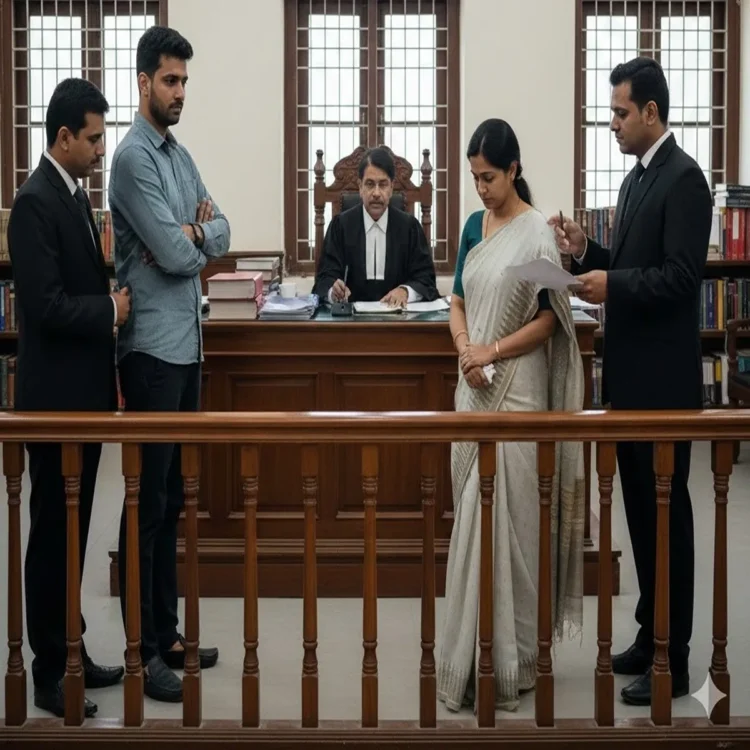
The observation came from the Delhi High Court while hearing a petition connected to a long-running family maintenance dispute. Justice Swarana Kanta Sharma dismissed an application filed by a woman who sought inclusion in a case already pending between a man, his first wife, and their children. The court stated that the matter was strictly related to maintenance claims under Section 125 of the Criminal Procedure Code and did not require the participation of the second wife.
Court Examines Scope of Maintenance Proceedings
According to court records, the first wife had earlier approached the family court seeking financial support for herself and her children. While the family court declined maintenance for the wife, it directed the husband to pay Rs 10,000 each to the two children.
The husband later challenged the maintenance order before the High Court, seeking revision of the amount awarded to the children. During the course of those proceedings, developments in his personal life led to another legal complication involving his second marriage.
Second Wife Sought Inclusion in Ongoing Case
The woman, identified as the husband’s second wife, requested the court to allow her participation in the maintenance proceedings. She argued that any decision affecting the husband’s financial obligations could also influence her own financial interests and legal rights.
Her plea further stated that she depended financially on the husband and should therefore be allowed to present her side before any order was passed. However, the first wife strongly opposed the request, maintaining that the dispute concerned only the husband, the first wife, and their children.
The first wife also argued that no relief had been claimed against the second wife, making her presence unnecessary in the proceedings.
High Court Rejects Financial Dependency Argument
After reviewing the submissions, the High Court concluded that the second wife was neither a necessary nor a proper party in the matter. Justice Sharma observed that proceedings under Section 125 are specifically designed to determine the rights and obligations between the petitioner and the respondent.
The court explained that the claims or status of another person, unless directly connected to the dispute, do not substantially affect the adjudication of maintenance rights between the original parties.
The judge also rejected the argument that financial dependence on the husband was enough to justify intervention in the case. The court warned that accepting such reasoning could create a situation where every financially dependent individual may attempt to become part of maintenance proceedings.
Plea on Natural Justice Also Dismissed
The second wife additionally argued that excluding her from the proceedings would violate the principles of natural justice. The court, however, found the submission legally unsustainable and declined to accept it.
Justice Sharma noted that the legal framework governing maintenance cases has a limited scope and cannot be expanded to include unrelated claims merely because a party may be indirectly affected by the outcome.
The ruling is being viewed as an important clarification on how courts interpret participation rights in maintenance-related litigation, especially in cases involving multiple marriages and overlapping financial disputes.
Divorce During Proceedings Added New Dimension
Court records also revealed that during the pendency of the High Court proceedings, the husband divorced the second wife as well. Following the divorce, she renewed her efforts to participate in the maintenance matter, arguing that the final outcome could still affect her financial position.
Despite these developments, the High Court maintained that her claims remained separate from the dispute initiated by the first wife and her children. The court ultimately refused her impleadment application and allowed the original maintenance proceedings to continue without her participation.