
LegalEducation – CJI Raises Concerns Over Fake Degrees Among Advocates
LegalEducation – Chief Justice of India Surya Kant has voiced concern over the increasing number of advocates allegedly possessing questionable law degrees, warning that the legal profession must protect its credibility and public trust.
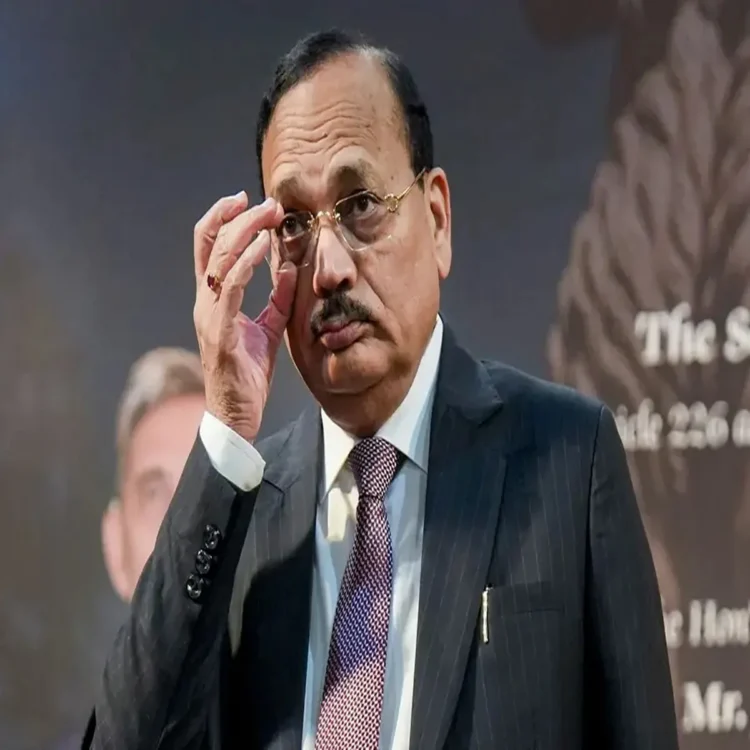
Chief Justice of India Surya Kant made the remarks while hearing a petition connected to the process of appointing senior advocates in the Delhi High Court. During the proceedings, the Supreme Court expressed unease over what it described as a rising presence of individuals in the legal profession whose academic qualifications may not be genuine.
Supreme Court Signals Concern Over Professional Standards
A bench led by the CJI and Justice Joymalya Bagchi observed that maintaining discipline and integrity within the legal profession was essential for preserving confidence in the justice system. The court noted that several people appearing as advocates may be carrying doubtful credentials while actively engaging on social media platforms.
The CJI stated that he was awaiting a suitable case in which the court could consider directing an investigation into allegedly fake law degrees held by certain lawyers practicing in Delhi. According to the bench, the matter could require the involvement of the Central Bureau of Investigation to examine the authenticity of such qualifications.
Remarks on Social Media Conduct
During the hearing, the bench also commented on the conduct of some young lawyers who, instead of focusing on legal practice, have become increasingly active on social media and other public platforms. The CJI observed that criticism of institutions should not come at the cost of professional responsibility and discipline.
Referring to online posts made by certain advocates, the bench questioned whether members of the legal fraternity were mindful of the standards expected from officers of the court. The court said that inappropriate language and repeated attacks on institutions could damage the dignity associated with the profession.
The Chief Justice further remarked that the judiciary was fully aware of what was being posted online and warned that irresponsible conduct by lawyers would not go unnoticed.
Petition Related to Senior Advocate Designation
The observations came while the Supreme Court was hearing a plea alleging that the Delhi High Court had failed to properly implement earlier Supreme Court guidelines regarding the designation of senior advocates.
The petitioner’s counsel, advocate Sanjay Dubey, had questioned the process adopted for granting the designation. However, the apex court declined to entertain the plea and raised objections to the language allegedly used by the lawyer on social media platforms.
The bench indicated that professional decorum was an important part of legal practice and said lawyers must conduct themselves responsibly both inside and outside courtrooms.
Debate Over Meaning of Senior Advocate Status
Justice Bagchi also raised a broader issue regarding the purpose of the senior advocate designation. He questioned whether the recognition was increasingly being treated as a symbol of status rather than an opportunity to contribute more effectively to the justice delivery system.
The court’s comments reflected concerns that the legal profession should prioritize merit, ethics, and service to society over personal prestige or online popularity.
Following the court’s observations, the petitioner decided to withdraw the plea.
Earlier Legal Challenge Mentioned
The matter had a longer legal background. The lawyer had previously approached the Supreme Court after the Delhi High Court declined to consider his name for senior advocate designation. He later filed a contempt petition claiming that earlier directions of the Supreme Court had not been followed.
However, the apex court had already dismissed that contempt plea in December last year, effectively closing the earlier challenge.
The latest remarks from the bench have once again brought attention to the issue of professional accountability within the legal community, particularly at a time when debates over ethics, qualifications, and social media conduct are becoming increasingly visible in the public domain.