
MiddleEastTensions – UAE Rejects Iran Claims Over Regional Conflict Role
MiddleEastTensions – The United Arab Emirates has firmly dismissed allegations made by Iran accusing Abu Dhabi of participating in hostile actions against Tehran during the recent regional conflict. Emirati officials described the accusations as baseless and insisted that the country’s political decisions remain independent and guided by national interests.
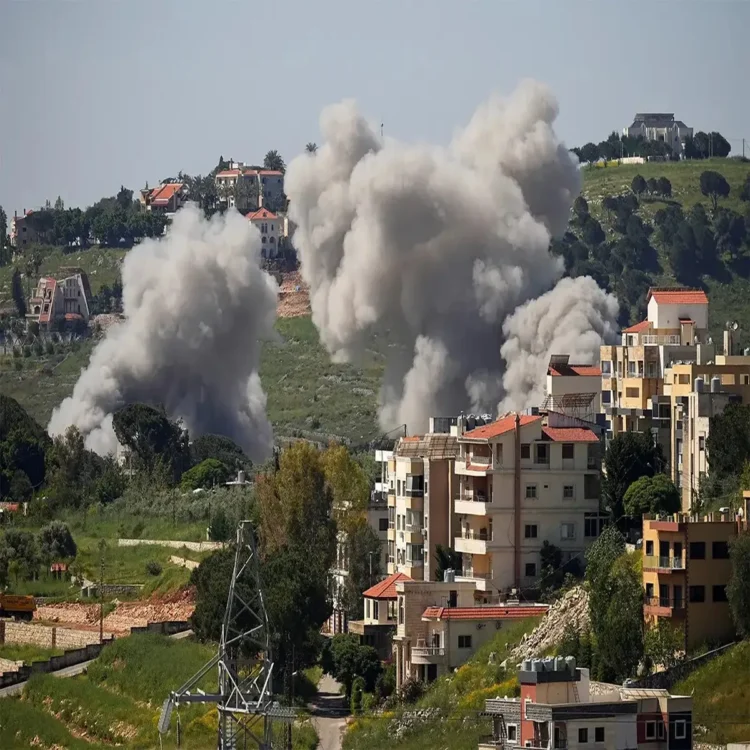
The response was delivered by UAE Minister of State Khalifa Shaheen Al Marar during the BRICS Foreign Ministers’ Meeting, where he rejected what he called attempts to justify threats and attacks directed at the UAE and several other countries in the region.
UAE Reaffirms Sovereignty Position
In a statement released by the UAE Ministry of Foreign Affairs, Al Marar said the country completely rejects any allegations targeting its sovereignty, security, or independent policy decisions. He stressed that the UAE retains the legal and diplomatic right to respond to any form of threat against its territory or national institutions.
According to the statement, the UAE believes that accusations and pressure tactics will not alter its political approach or weaken its commitment to protecting national interests. Emirati officials also maintained that the country would continue to safeguard its strategic priorities without external interference.
Claims of Missile and Drone Attacks
The UAE further accused Iran of carrying out repeated military actions since tensions escalated earlier this year. Emirati authorities claimed that thousands of ballistic missiles, drones, and cruise missiles aimed at civilian and strategic facilities had been intercepted by the country’s air defence systems.
Officials said the alleged targets included airports, ports, residential areas, oil facilities, desalination plants, and major energy infrastructure. The UAE argued that such attacks endangered civilian safety and threatened broader regional stability.
The statement also noted that these actions continued despite criticism from several international organisations and global institutions. Emirati representatives referenced resolutions and statements issued by the United Nations and other international agencies as evidence of growing global concern over attacks on civilian infrastructure and state sovereignty.
Strait of Hormuz Concerns Raised
Another major point raised by the UAE involved maritime security in the Gulf region. Emirati officials accused Iran of disrupting international shipping routes and creating instability around the Strait of Hormuz, one of the world’s most critical energy transit corridors.
The UAE described any attempt to obstruct commercial shipping as a serious threat to global energy supplies and regional economic stability. Officials warned that using strategic waterways as political leverage could increase tensions across international markets and affect worldwide trade operations.
Abu Dhabi also stated that it remains fully capable of defending its territory and national interests without depending on outside military protection. The statement referred to international law and the UN Charter while underlining the country’s right to self-defence.
Iranian Foreign Minister’s Remarks
The strong reaction from the UAE followed comments made by Iranian Foreign Minister Abbas Araghchi during the same BRICS gathering. Araghchi accused the UAE of supporting aggression against Iran and claimed that Emirati territory had been used during military operations targeting Tehran.
He also alleged that senior Israeli officials had visited the UAE during the conflict period and suggested that Abu Dhabi had played an active role in the broader regional campaign against Iran.
Iranian officials argued that regional alliances and political cooperation with Israel had contributed to escalating tensions in West Asia. However, the UAE has denied all accusations and insisted that such claims are politically motivated.
BRICS Divisions Become More Visible
The diplomatic exchange has highlighted growing differences within the BRICS grouping, particularly between Iran and the UAE, both of which joined the bloc as part of its recent expansion efforts.
Although BRICS aims to strengthen cooperation among emerging economies, the continuing West Asia conflict has exposed sharp disagreements over regional security policies, sovereignty issues, and geopolitical alignments. Observers say the latest dispute reflects how regional rivalries are increasingly influencing international diplomatic forums.
Analysts believe tensions between Tehran and Abu Dhabi could continue affecting broader discussions within multilateral organisations as both countries seek support for their respective positions on regional security and strategic influence.