
Judiciary – Supreme Court Revises Earlier Remarks in NCERT Textbook Matter
Judiciary – The Supreme Court on Friday revised a part of its earlier order linked to the controversy surrounding an NCERT Class 8 social science textbook chapter that discussed corruption within the judiciary. The latest direction gives the Centre, states, Union territories and publicly funded educational institutions the freedom to make their own decisions regarding association with three academics involved in preparing the chapter.
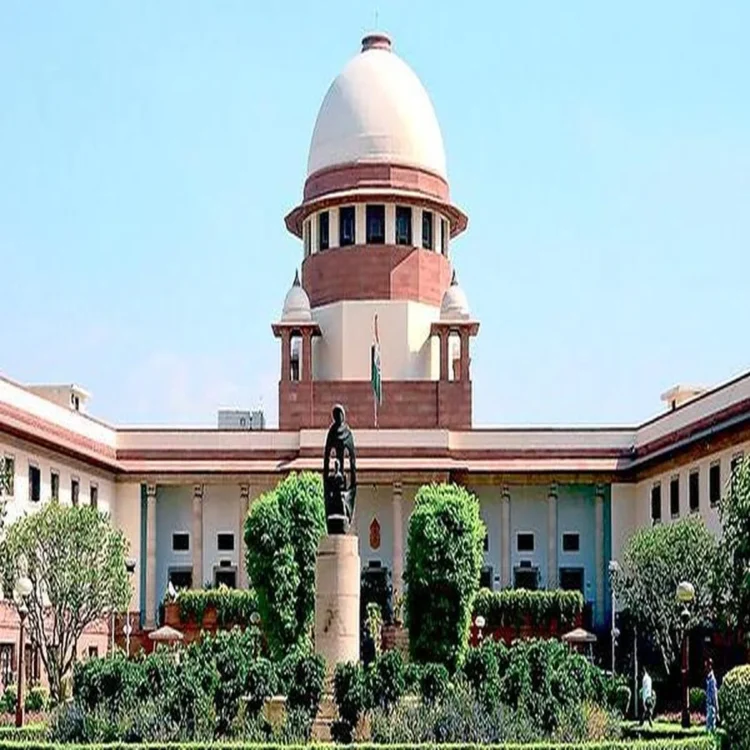
The court clarified that authorities should not be influenced by the observations made in its March 11 ruling while considering any future action against the academics. The decision came during the hearing of an application filed by the scholars seeking reconsideration of certain remarks made against them in the earlier order.
Court Withdraws Earlier Observation
A bench headed by Chief Justice of India Surya Kant, along with Justices Joymalya Bagchi and Vipul M Pancholi, recalled its earlier statement that had accused the academics of knowingly presenting facts in a manner that portrayed the Indian judiciary negatively before school students.
The judges stated that the comments made in March were related to the disputed content itself and were not intended as personal findings against the individuals involved. The clarification brought relief to the three academics — Professor Michel Danino, Suparna Diwakar and Alok Prasanna Kumar — who had approached the court seeking modification of the earlier observations.
Academics Explain Textbook Drafting Process
During the proceedings, the academics informed the bench that the textbook chapter had not been written or approved by any one person alone. They explained that the preparation of educational material followed a collective drafting and review system involving several contributors and experts.
The petitioners argued that attributing individual responsibility for the final wording of the chapter ignored the broader institutional process through which NCERT textbooks are developed. The court took note of these submissions before issuing the revised order.
Background of the NCERT Chapter Dispute
The controversy began after objections were raised over portions of a Class 8 NCERT social science textbook that referred to corruption in the judiciary. The Supreme Court had earlier expressed serious concern over the language and interpretation used in the chapter.
On March 11, the apex court directed the Centre and all state governments to disassociate themselves from the three academics connected with drafting the content. The court had also instructed the Union government to establish a committee of subject experts within a week to review and finalise the legal studies curriculum for middle and higher school classes.
The matter was being heard through a suo motu case initiated by the Supreme Court under the title related to the NCERT Grade 8 social science textbook and connected issues.
Earlier Restrictions on Publication
Before the March order, the Supreme Court had already taken strong action regarding the textbook. On February 26, the court ordered a complete halt on any further publication, reprinting or digital circulation of the textbook containing the disputed passages.
At that time, the bench had used strong language while expressing concern over the contents, saying the judiciary had been unfairly targeted. The remarks triggered widespread debate among legal experts, educators and academic circles regarding freedom in educational content and institutional accountability.
Wider Significance of the Decision
The latest order is being viewed as an attempt by the court to balance institutional concerns with fairness towards individuals involved in academic work. By leaving future decisions to governments and educational bodies independently, the Supreme Court has stepped back from its earlier direct recommendation against the scholars.
The development also highlights the growing scrutiny surrounding school curriculum content and the responsibilities of educational institutions in presenting sensitive constitutional subjects before students