
Judiciary – Kejriwal Raises Conflict Concern Over Judge in Liquor Case Hearing
Judiciary – Former Delhi Chief Minister Arvind Kejriwal returned to the Delhi High Court on Thursday, raising concerns about a possible conflict of interest involving Justice Swarana Kanta Sharma, who is presiding over the excise policy case. He urged the court to consider his request for the judge to step aside from hearing the matter, citing issues that, in his view, could affect the perception of impartiality.
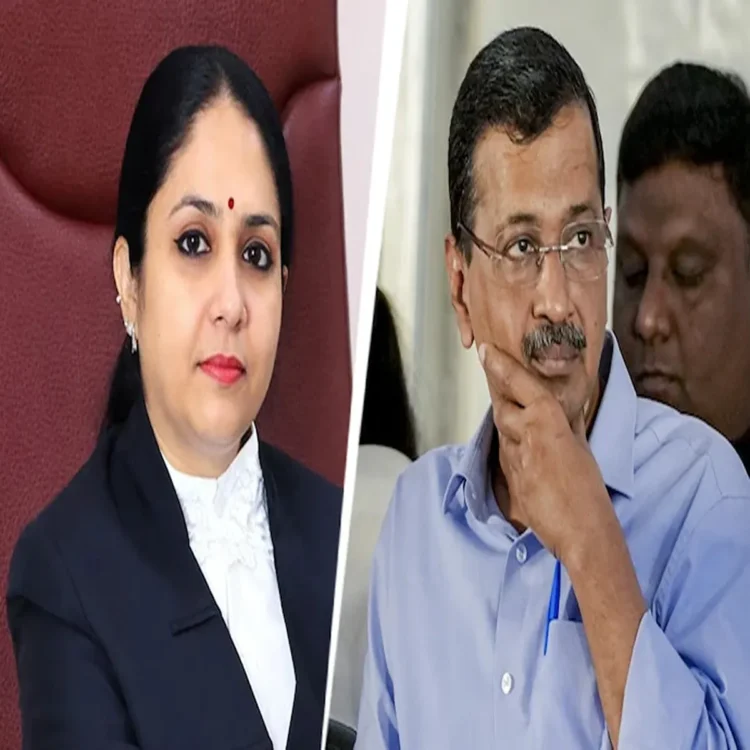
Allegations of Conflict of Interest Presented
During the hearing, Kejriwal requested the court to accept an additional affidavit outlining his concerns. In this document, he pointed out that the judge’s children are listed as legal counsel for the Central government and are reportedly assigned cases through the office of the Solicitor General, Tushar Mehta. Justice Sharma agreed to place the affidavit on record for consideration.
Kejriwal argued that these connections could create a situation where judicial independence might appear compromised. He emphasized that for justice to be credible, it must not only be fair but also be seen as fair. According to him, continuing the proceedings under the same bench may raise doubts about neutrality, even if no actual bias exists.
Request for Additional Time to Respond
In addition to seeking recusal, Kejriwal also asked the court for more time to present further arguments and submissions. He expressed concern that proceeding without addressing his objections could undermine confidence in the judicial process. His legal team indicated that they would like to provide more detailed oral arguments and file a rejoinder to strengthen their position.
CBI Counters the Claims
The Central Bureau of Investigation (CBI), which is handling the case, opposed Kejriwal’s request. In its written response, the agency argued that the logic presented by the former Chief Minister could have far-reaching implications. According to the CBI, if such reasoning were accepted, it would lead to a situation where judges with relatives working with government panels would be unable to hear a wide range of cases involving government entities.
The agency further stated that such a precedent could disrupt the functioning of the judiciary. It also alleged that there has been a coordinated effort on social media to target Justice Sharma, including the spread of misleading information about her family members’ professional roles.
Concerns Over Online Narratives
The CBI highlighted that certain claims circulating online contain unverified and exaggerated assertions. It warned that such narratives could influence public perception and potentially interfere with judicial proceedings. The agency maintained that decisions regarding judicial assignments should remain within the established legal framework and not be swayed by external pressures.
Other Matters Heard in Court
In a separate case on the same day, senior advocate and BJP leader Gaurav Bhatia approached the Delhi High Court seeking the removal of specific content posted on social media platform X. He alleged that the content violated an interim order issued in his defamation case. Justice Mini Pushkarna took note of the submission and issued notices to both the user involved and the platform.
Another case involved Santosh Kumar Singh, who is serving a life sentence in the 1996 Priyadarshini Mattoo case. The High Court assured that his request for premature release would be evaluated fairly. The bench observed that the sentence review board should base its decision on objective criteria rather than public opinion.
Ongoing Legal Developments
The developments in these cases reflect the complexities involved in balancing legal procedure, public perception, and judicial independence. As the hearings continue, the court is expected to carefully examine the arguments presented by all sides before taking a decision on the matters raised.