
Judiciary – Delhi Court Video Row Sparks Debate Over Judicial Dignity
Judiciary – The Delhi Judicial Service Association has strongly criticised the unauthorised recording and circulation of a courtroom dispute involving a district judge and a lawyer at Rohini Courts, describing the incident as a matter of serious concern for the independence and integrity of the judiciary.
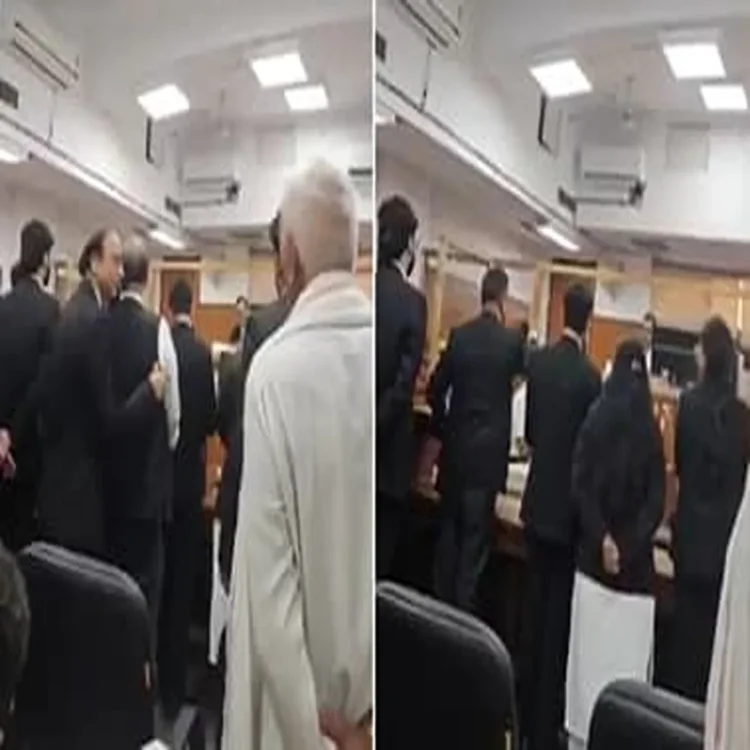
Association Raises Concern Over Viral Courtroom Video
In an official statement, the Delhi Judicial Service Association (DJSA) said the courtroom exchange was recorded and widely shared online without approval, which it believes compromises the dignity of judicial institutions. The association maintained that court proceedings are governed by strict legal and ethical standards, and any unauthorised dissemination of such material weakens public trust in the justice system.
The controversy gained attention after a video featuring a heated argument between Rohini Court Bar Association president and District Judge Rakesh Kumar surfaced on social media platforms. According to reports, the disagreement reportedly began when the judge declined a request made by the lawyer seeking a passover during proceedings.
Delhi High Court Transfers District Judge
Following the incident, the Delhi High Court transferred Judge Rakesh Kumar to the Delhi Judicial Academy with immediate effect in what was described as a “diverted capacity.” The development came shortly after the video went viral and triggered discussions within legal circles about courtroom conduct and professional boundaries.
The DJSA expressed support for the judge as well as the larger judicial community, stating that judges must be allowed to function independently without external pressure or interference. The association underlined that judicial independence remains essential for maintaining the rule of law and ensuring fair administration of justice.
Concerns Over Pressure on Judicial Officers
The association also alleged that some members of the legal fraternity have engaged in conduct that could intimidate or pressure judicial officers. According to the DJSA, such behaviour creates an atmosphere that may discourage judges from carrying out their duties fearlessly.
Describing the actions of certain lawyers as “deeply disturbing,” the association said attempts to publicly pressure judicial officers could damage the credibility of the justice delivery system. It added that preserving respect for courtroom procedures is necessary for maintaining confidence among litigants and the general public.
Court Work Affected Across Delhi
Meanwhile, several district court bar associations in Delhi abstained from judicial work on Monday in response to the developments surrounding the incident. The DJSA criticised the strike, arguing that disruptions in court functioning directly affect litigants who rely on timely hearings and judicial remedies.
Legal observers noted that prolonged disruptions in court proceedings can delay pending matters and add pressure to an already burdened judicial infrastructure. The issue has also reignited discussions about maintaining professional decorum inside courtrooms and resolving disputes through institutional mechanisms rather than public confrontation.
Interim Bail Granted to Engineer Rashid
In a separate development, the Delhi High Court granted interim bail to Jammu and Kashmir Member of Parliament Engineer Rashid until June 2, allowing him to attend the funeral of his father in Srinagar.
Rashid, who is currently lodged in jail in connection with a terror funding case, sought temporary relief following the death of his father, Haji Khazir Mohammad Sheikh, aged 85, at a hospital in Delhi. The court permitted the interim bail while directing that plainclothes police personnel accompany him during the journey and related proceedings.
The order was issued considering the personal circumstances surrounding the bereavement. The case involving Engineer Rashid continues to remain under judicial consideration.