
Infrastructure – Mumbai Metro Lines Show Mixed Passenger Response on Opening Day
Infrastructure – The launch of two newly introduced Mumbai Metro corridors presented a clear contrast in commuter response, underlining how connectivity and accessibility influence public adoption. While one route drew large crowds from the very first day, the other saw only limited usage despite being operational. Both corridors were opened to passengers on Tuesday afternoon by Chief Minister Devendra Fadnavis, even though all necessary safety clearances had reportedly been obtained several months earlier.
Limited Footfall on Metro Line 2B
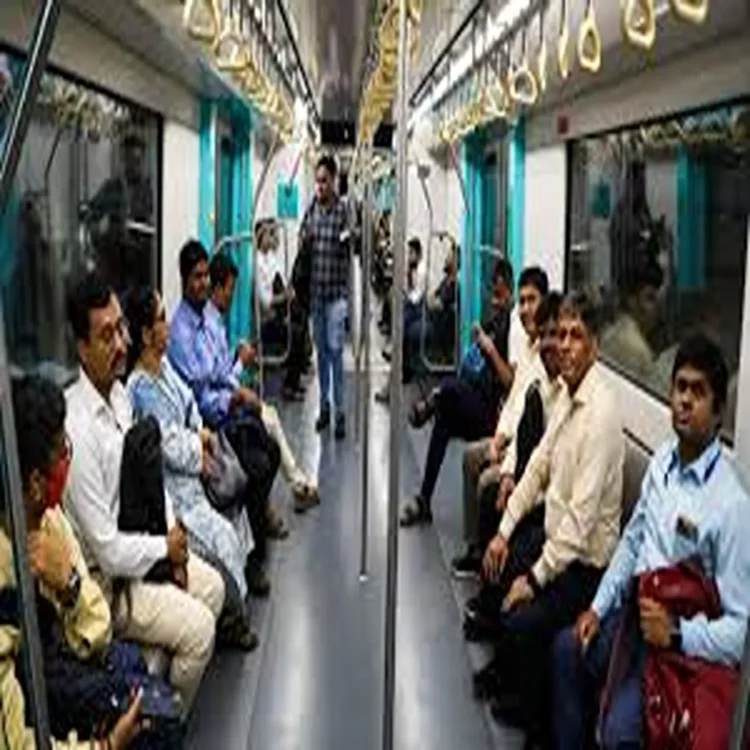
Metro Line 2B, commonly referred to as the Yellow Line, recorded low passenger turnout during its initial hours of service. Trains running on this stretch carried only a small number of commuters throughout the day, with many coaches remaining largely empty.
The operational section currently covers a distance of 5.38 kilometres and connects with the suburban railway network only at Mankhurd. This limited integration has reduced its appeal for daily commuters who rely on seamless interchanges. Services on this route are scheduled roughly every nine to ten minutes, with over 200 trips planned daily.
Officials from the Mumbai Metropolitan Region Development Authority indicated that the situation is expected to improve once the corridor is extended further. The upcoming connection to Chembur Naka, which will link the line to the Mumbai Monorail, is likely to enhance its usability and attract more passengers.
Strong Demand for Metro Line 9
In contrast, Metro Line 9 witnessed a strong response from commuters, particularly those living in the western suburbs. This route serves as an extension of an existing metro line, improving connectivity between key residential and commercial areas.
Passengers reported crowded coaches and high occupancy levels throughout the day. Many described the service as long-awaited, highlighting its role in easing daily travel challenges. For several commuters, the new line offers a smoother and more efficient alternative to congested road routes.
Daily travellers noted that the metro has helped them avoid heavily trafficked zones, including areas known for noise, dust, and delays. The improved travel experience has encouraged many to consider switching permanently to the new service.
Commuter Feedback Reflects Changing Travel Patterns
Several passengers expressed satisfaction with the improved connectivity. Residents from Mira Road and surrounding areas said the new metro line would significantly reduce travel time to business hubs like Andheri.
Some commuters used the opening day to explore the route and understand its connectivity options. Many indicated that they would incorporate the metro into their regular commute going forward, reflecting a shift in travel preferences toward faster and more reliable public transport.
Impact on Local Transport Services
The introduction of Metro Line 9 has also affected last-mile transport providers. Share-cab and autorickshaw drivers reported a noticeable drop in passenger demand, especially on routes connecting Mira-Bhayandar with Dahisar East.
In response, some drivers have started relocating their services to areas near newly opened metro stations, such as Kashigaon, in an effort to find new customer bases and maintain earnings.
Initial Operational Challenges Noted
Despite the positive response, commuters pointed out certain shortcomings in the early stages of operation. Passengers observed a lack of adequate seating on station platforms, limited availability of dustbins, and the absence of convenience stores within station premises.
The combined Metro Line 7 and 9 corridor, spanning nearly 20 kilometres, is expected to run a high frequency of services. During peak hours, trains will operate at intervals of around five to six minutes, while non-peak hours will see slightly longer gaps between services.
Ticket sales data from the opening day showed varying passenger distribution across stations. Kashigaon recorded the highest number of commuters, while Pandurangwadi station saw comparatively lower footfall.
The contrasting performance of the two metro lines highlights the importance of strategic planning in urban transport projects. Connectivity with existing networks, commuter demand, and ease of access remain key factors in determining the immediate success of such initiatives.