
WaterSupply – Delhi Strengthens Summer Water Plan With Expanded Infrastructure
WaterSupply – Delhi has stepped up preparations to manage rising water needs during the summer season, with Chief Minister Rekha Gupta reviewing key measures and directing officials to maintain uninterrupted supply across the city.
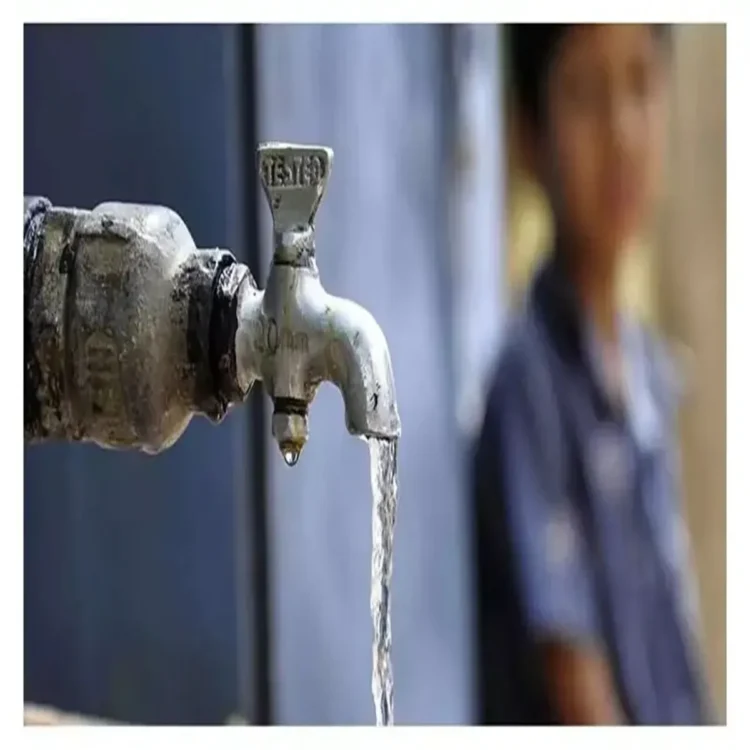
The review meeting, held at the Secretariat on Monday, focused on evaluating ongoing water projects and readiness for increased consumption in the coming months. Officials were instructed to respond swiftly to public complaints and ensure there are no disruptions during periods of high demand. The Chief Minister made it clear that any form of negligence in service delivery would lead to strict accountability.
Focus on Immediate Supply and Long-Term Solutions
During the discussion, the government emphasized that while addressing immediate concerns remains a priority, efforts are equally directed toward creating sustainable solutions. The aim is to reduce the recurrence of seasonal water shortages that have historically affected several parts of the capital.
The administration highlighted its commitment to improving infrastructure and operational efficiency so that both short-term relief and long-term stability can be achieved simultaneously.
Treatment Plants Directed to Operate at Full Capacity
To ensure a steady water supply, all major treatment plants across Delhi have been instructed to function at their maximum operational levels. Facilities located in Sonia Vihar, Bhagirathi, Chandrawal, Wazirabad, Haiderpur, Nangloi, Okhla, Bawana, and Dwarka are expected to meet peak demand without interruption.
Continuous monitoring systems have been reinforced to maintain consistency in output and quality. Officials are also keeping a close watch on raw water conditions, particularly ammonia levels, in coordination with Haryana. This step is crucial to prevent disruptions in the treatment process and maintain smooth plant operations.
Increased Infrastructure to Meet Demand
Several infrastructure upgrades have been implemented ahead of the summer season. The number of working tubewells has been expanded significantly, while additional water tankers have been deployed to support areas with limited pipeline access.
Fixed supply points across the city have also increased sharply, improving accessibility for residents in densely populated neighborhoods. Similarly, the number of filling hydrants has been marginally raised to support faster tanker operations.
These enhancements are part of a broader strategy to strengthen both centralized and decentralized water distribution systems.
Targeted Support for High-Demand Areas
Authorities have identified specific regions that regularly face water shortages during summer. Areas such as Sangam Vihar, Matiala, Chhatarpur, Deoli, Tughlakabad, Palam, Bijwasan, and Bawana have been given priority in the distribution plan.
Water tanker deployment has been customized based on constituency-level requirements, ensuring that resources are allocated where they are needed most. In addition to the active fleet, extra tankers have been kept on standby to respond quickly to emergencies or sudden spikes in demand.
Officials confirmed that detailed planning has been carried out at the local level, including assigning responsibilities and ensuring efficient coordination among departments.
Emergency Centres to Address Public Complaints
To strengthen response mechanisms, 28 water emergency centres have been established across the city. These centres will operate round the clock, providing immediate assistance in case of supply disruptions or other issues.
Residents can report concerns directly, and teams have been deployed to ensure timely resolution. The move is expected to reduce delays in addressing complaints and improve overall service delivery during the critical summer months.
Monitoring and Accountability Measures
The government has introduced tighter monitoring at multiple levels to ensure accountability and transparency. Regular reviews and feedback mechanisms will track performance, while officials have been directed to maintain consistent communication with the public.
The approach reflects a shift toward proactive governance, where preparedness and responsiveness are seen as key to managing urban challenges effectively.
Delhi’s expanded water management plan signals a coordinated effort to balance supply, infrastructure, and service delivery as the city prepares for the pressures of the summer season.