
Innovation – Government and Industry Urged to Share Research Investment Equally
Innovation – India’s research and innovation landscape is entering a critical phase as policymakers push for a more balanced approach to funding and collaboration between public and private sectors.
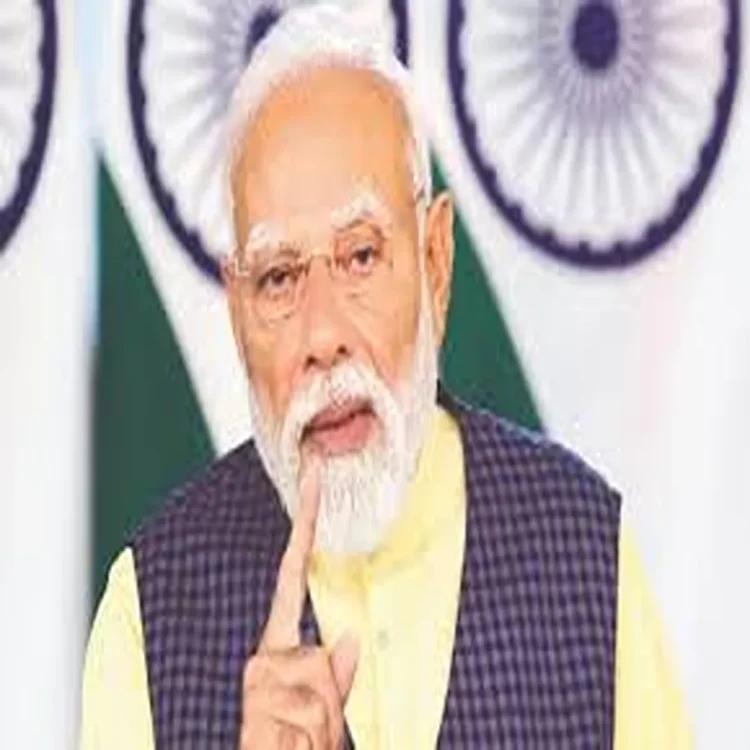
Union Education Minister Dharmendra Pradhan on Tuesday highlighted the need to strengthen cooperation between the government and industry, stating that India must gradually move toward an equal partnership model in research investment. Speaking at the IIT Madras Technology Summit 2026 in Chennai, he pointed out that public funding currently accounts for nearly 70 percent of the country’s research expenditure.
Call for Balanced Research Funding
Addressing the gathering, Pradhan acknowledged the government’s continued commitment to research and development but stressed that long-term sustainability would require greater participation from private industry. He said a transition toward a 50:50 funding structure between public institutions and industry players would help expand innovation and improve outcomes.
According to him, while public investment has laid a strong foundation, the next phase of growth depends on private sector engagement. A balanced model, he noted, would not only accelerate technological progress but also ensure wider application of research outcomes.
Focus on Practical Innovation
The minister underlined the importance of shifting research efforts beyond academic work. He said innovation must result in practical solutions that address real-world challenges. India’s strong talent base, he added, already contributes globally, but systemic changes are needed to fully harness this potential within the country.
He also raised concerns about the gap between available talent and domestic technological output. Despite a large pool of skilled professionals, India still relies significantly on technologies developed abroad. This, he suggested, calls for a renewed focus on building indigenous solutions.
Expanding Start-Up Ecosystem
Pradhan highlighted the rapid growth of India’s start-up ecosystem as a positive sign. Over the past few years, the number of start-ups has increased from a few hundred to more than 250,000. Alongside this growth, India has also improved its position in the Global Innovation Index, moving from 85th to 38th place.
He mentioned a proposed fund of Rs 1 lakh crore aimed at strengthening research and development, particularly by encouraging private sector investment and supporting emerging enterprises. Such initiatives, he said, would play a key role in boosting innovation capacity.
Need for Domestic Technology Development
Despite progress, the minister pointed out a persistent challenge: Indian companies often end up acquiring technologies developed overseas, even when the expertise originates from Indian professionals. He emphasized the importance of investing in homegrown innovations and leveraging India’s large domestic market.
By focusing on local development, India can position itself as both a producer and consumer of advanced technologies. This approach, he suggested, would help reduce dependency on external solutions and strengthen the national innovation ecosystem.
Vision for Future Growth
Reaffirming the goal of transforming India into a developed nation by 2047, Pradhan said the country’s development model could serve as an example for the Global South. He stressed that institutions like IITs must ensure their research delivers measurable benefits to society.
The summit, themed “From IITM. For Bharat. Building Together,” brought together policymakers, industry leaders, and academic experts. Minister of State for Education and Skill Development Jayant Chaudhary also attended the event along with senior officials.
Role of Institutions and Collaboration
IIT Madras Director Prof. V. Kamakoti described the summit as an opportunity to promote collaboration between academia, industry, and start-ups. He noted that such partnerships are essential for shaping the future of innovation in India.
Prof. Ashwin Mahalingam, Dean of Alumni and Corporate Relations, said the institute’s research achievements are closely linked to industry engagement and a focus on real-world impact. He added that Centres of Excellence have played a significant role in driving meaningful outcomes.
New Initiatives Announced
The event also saw the release of a book titled “Inventing a Better Tomorrow: 25 Years of IIT Madras Impact,” which documents the institution’s contributions to research and nation-building. Additionally, IIT Madras announced the launch of Bodhan AI, a Centre of Excellence dedicated to artificial intelligence in education, supported by the Ministry of Education.