
Infrastructure – Deoghar Introduces E-Rickshaw Ambulances for Safer Shravani Mela Pilgrimage
Infrastructure – Pilgrim Safety and Emergency Healthcare Updates – Every effort is being made to improve medical response and travel convenience for devotees during the Shravani Mela.
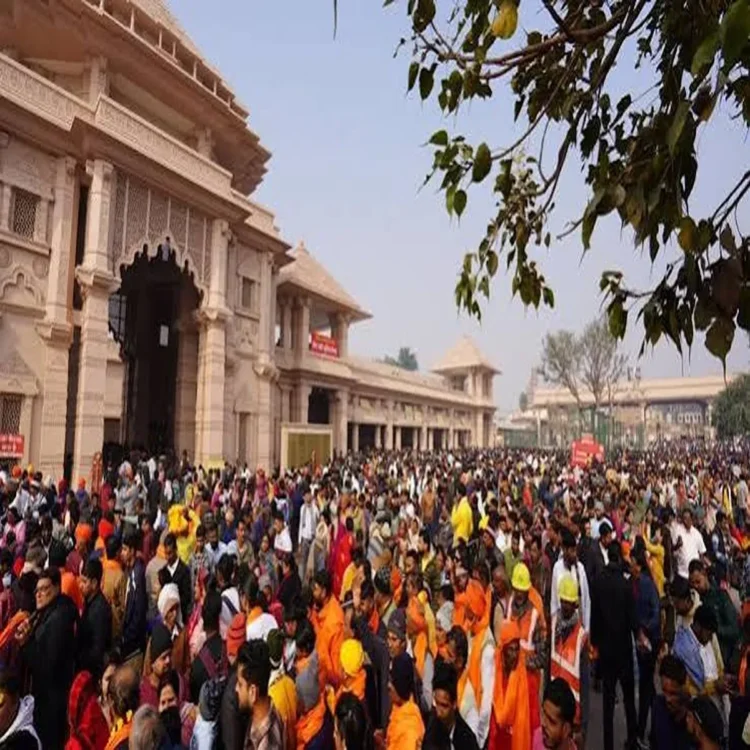
The Deoghar district administration is set to introduce a new emergency healthcare service during this year’s Shravani Mela by deploying specially equipped e-rickshaw ambulances in crowded areas. The initiative has been planned to provide faster medical assistance to pilgrims who may fall sick or sustain injuries while participating in one of India’s largest annual religious gatherings. Officials believe these compact vehicles will significantly reduce the time required to reach patients where conventional ambulances often struggle to enter due to heavy congestion.
Quick Medical Response in Crowded Areas
According to Deoghar Civil Surgeon Dr. Ramesh Kumar, managing medical emergencies becomes particularly challenging during the Shravani Mela because millions of devotees gather on the city’s roads and around the temple complex. Traditional ambulances frequently face delays while navigating packed streets. The newly introduced Toto ambulances are expected to overcome this obstacle by moving easily through narrow lanes and densely populated routes, allowing patients to receive timely assistance before being shifted to hospitals.
The administration expects the service to improve emergency preparedness throughout the festival while ensuring that pilgrims receive medical care without unnecessary delays.
Vehicles to Be Equipped with Essential Medical Facilities
Officials said the e-rickshaw ambulances will be selected through a formal tender process before the festival begins. Every vehicle will carry trained healthcare personnel capable of providing immediate first aid at the location of an emergency. In addition, each ambulance will be stocked with essential medicines, emergency supplies, and basic medical equipment required for initial treatment.
Once patients receive preliminary care, they will be transported safely to the nearest healthcare facility for further treatment whenever necessary. Authorities believe the flexibility and compact design of the vehicles make them especially suitable for handling emergencies inside crowded pilgrimage zones.
Infrastructure Upgrades for Pilgrims Along National Highway
Alongside healthcare improvements, several infrastructure projects are also being accelerated to enhance the overall pilgrimage experience. The National Highways Authority of India (NHAI) is implementing additional passenger amenities and strengthening safety arrangements for Kanwariyas travelling on National Highway routes connected to Deoghar.
Every year, lakhs of devotees from different parts of India, as well as visitors from abroad, undertake the sacred journey from Sultanganj after collecting holy Ganga water. The pilgrims carry the water on foot before offering it at the revered Baba Baidyanath Dham temple during the Shravani Mela.
Dedicated Walking Path Under Development
To make this journey more comfortable and secure, work is progressing rapidly on the 45.159-kilometre four-lane Basukinath–Deoghar section of National Highway 114A. As part of the ongoing project, a dedicated pedestrian corridor measuring 36.044 kilometres in length and 3.5 metres in width is also being developed exclusively for Kanwariyas.
The separate pathway is expected to allow devotees to walk without interference from regular traffic, reducing safety risks and improving movement during the peak pilgrimage season. Officials say the combined focus on emergency healthcare, road infrastructure, and pedestrian safety reflects a broader effort to ensure that pilgrims can complete their spiritual journey with greater convenience and security throughout the Shravani Mela.