
Infrastructure – Delhi Begins Search for Stronger Fabric for Citywide National Flags
Infrastructure – The Delhi government has launched a technical assessment to identify a more resilient material for the large national flags installed across the capital. The move follows repeated instances of damage caused by high-speed winds, rainfall, and changing weather conditions, which have affected the condition of several Tricolours displayed at prominent locations.
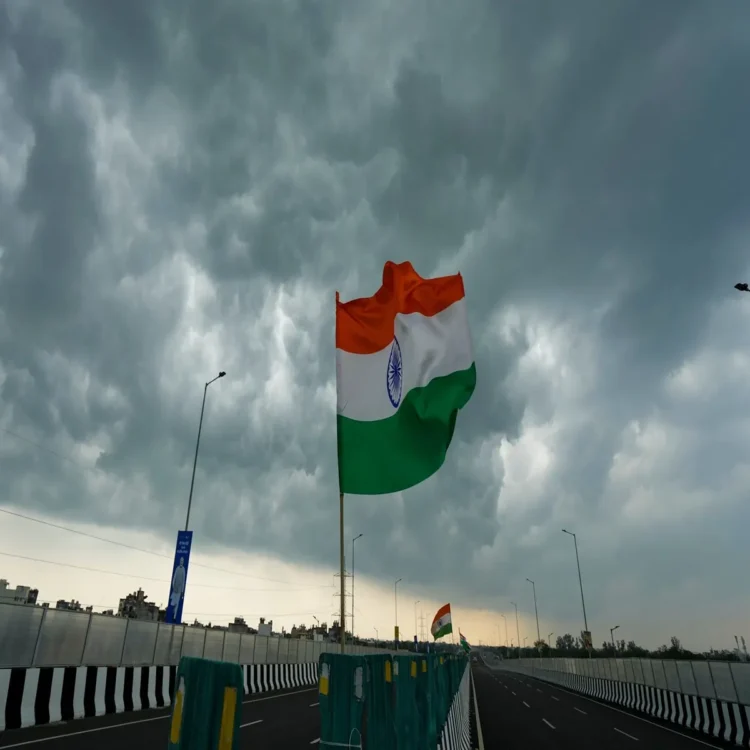
Engineering Team Assigned to Conduct Fabric Evaluation
Public Works Department Minister Parvesh Sahib Singh announced on Wednesday that a dedicated team of engineers has been assigned to examine alternative fabric options capable of enduring challenging weather conditions. The objective is to improve the longevity of the national flags while ensuring they remain in proper condition throughout the year.
According to the minister, the team will shortlist five different fabric varieties for detailed testing. These materials will be assessed for resistance to wear and tear, as well as their performance during rainstorms and strong wind conditions. After the evaluation process is completed, the most durable fabric will be selected for use at all designated flag sites across Delhi.
Decision Follows Complaints About Damaged Flags
Earlier this month, the Public Works Department decided to temporarily remove all 500 national flags installed throughout the city after receiving multiple complaints regarding torn or damaged Tricolours. Officials stated that maintaining the dignity and appearance of the national flag remains a priority, prompting the department to review existing materials and maintenance practices.
The large-scale removal was undertaken to prevent further deterioration and to prepare for future replacements with more suitable fabric options.
Existing Polyester Flags Face Weather Challenges
Government officials said that Delhi currently has 500 flagpoles, each standing approximately 115 feet tall. The national flags displayed on these structures are made from polyester, a material generally considered durable. However, despite its strength, polyester has shown limitations when exposed to prolonged periods of strong winds and severe weather.
Due to these conditions, the Tricolours often require replacement several times each year. Officials noted that the flags are typically changed around four times annually, including ahead of major national events such as Independence Day and Republic Day.
New Tender to Focus on Improved Maintenance
The minister explained that the department already follows a regular maintenance schedule, including multiple cleaning cycles each year. However, recurring weather-related damage has highlighted the need for a stronger fabric solution.
Under a fresh tender process, contractors will be required to replace worn-out flags with new ones whenever necessary. The government hopes that selecting a more weather-resistant material will significantly reduce damage and ensure that the national flags continue to be displayed with appropriate respect and care.
Initiative Began Under 2022 Civic Programme
The installation of large national flags across Delhi began in 2022 as part of a programme introduced by the previous Aam Aadmi Party government. The initiative was announced under the “Deshbhakti” budget and aimed to increase the visibility of the Tricolour across the city while promoting a sense of national pride among residents.
Since then, the flags have become a familiar feature at major road intersections and public spaces throughout the capital.
Compliance With National Flag Regulations
Officials from the Public Works Department said that maintenance teams regularly inspect all flag locations to identify any signs of damage. They also confirmed that every installation follows the guidelines outlined in the Flag Code of India, 2002, which governs the proper display and handling of the national flag.
By placing the flags at prominent junctions and busy roads, the government aims to ensure that residents encounter the Tricolour during their daily travel while maintaining its condition and dignity through improved upkeep measures.