
Hydropower – J&K MLA pushes for return of NHPC projects
Hydropower – The political discourse around control of hydropower resources in Jammu and Kashmir is set to take a significant turn, with a proposal expected to be introduced in the Assembly calling for the gradual transfer of certain power projects from central control to the Union Territory administration.
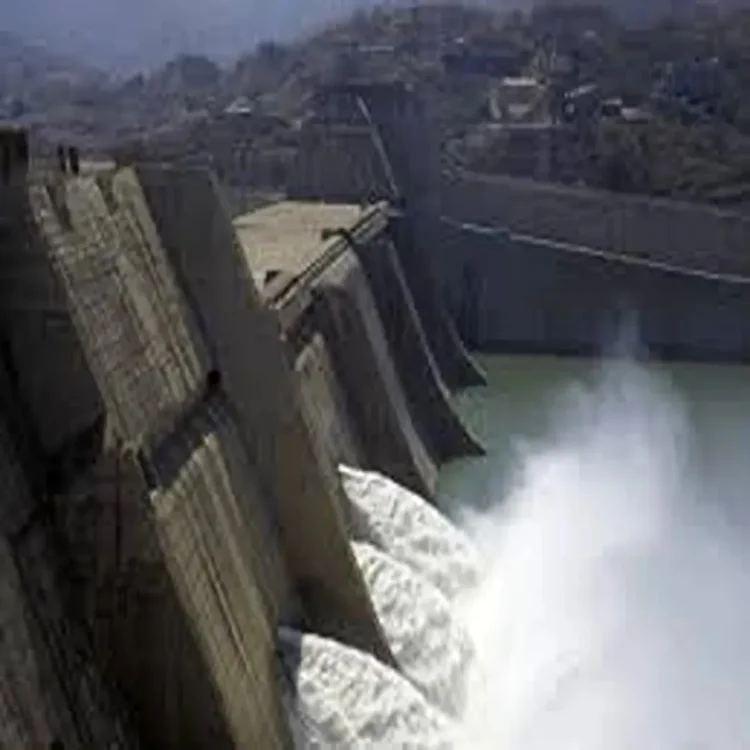
Proposal to seek phased transfer of hydropower projects
A legislator from the ruling National Conference is preparing to introduce a Private Member’s Bill during the ongoing Assembly session in Jammu. The proposed legislation aims to urge the central government to consider a structured and mutually agreed process for handing over operational control or ownership of hydropower projects currently managed by NHPC.
The proposal emphasizes that any such transition should align with constitutional provisions and applicable laws. It reflects a broader political sentiment that the region should have a greater role in managing its own natural resources.
Government voices support for local control
Senior leaders in the Union Territory administration have expressed support for the idea. The Deputy Chief Minister stated that Jammu and Kashmir has a legitimate stake in its water resources and should benefit directly from the electricity generated within its borders.
He highlighted a long-standing concern that, despite producing significant amounts of power, the region continues to purchase electricity at substantial cost. According to him, this arrangement places a financial burden on the administration while limiting local economic benefits.
The leadership argues that reclaiming control over these projects would allow the Union Territory to improve revenue generation and reduce dependency on external power purchases.
Public interest cited as key justification
Supporters of the proposed bill maintain that the issue goes beyond administrative authority and touches on public rights. They argue that the hydropower assets are intrinsically linked to the people of Jammu and Kashmir, and therefore, their management should reflect local interests.
The Deputy Chief Minister reiterated that the demand is not unprecedented or unreasonable but rooted in the belief that natural resources should primarily benefit the region where they are located.
Parallel development agreement raises questions
Interestingly, the push for reclaiming existing projects comes at a time when the Jammu and Kashmir government has entered into a new agreement with NHPC for additional hydropower development.
On March 27, an implementation agreement was signed between NHPC Limited and the Jammu & Kashmir State Power Development Corporation Limited. The deal covers two upcoming hydroelectric projects—Uri-I Stage-II with a capacity of 240 MW and Dulhasti Stage-II with 260 MW—together contributing 500 MW of additional capacity.
Details of the new hydropower projects
The projects will be executed under a Build-Own-Operate-Transfer model, with NHPC responsible for development and operation over a period of 40 years before eventual transfer. The agreement was formalized following approval from NHPC’s board earlier this year.
Officials involved in the signing indicated that the projects are expected to strengthen the region’s power infrastructure and help meet growing energy demands.
Balancing development and ownership concerns
The simultaneous push for reclaiming existing assets and collaborating on new projects highlights a complex policy landscape. While the administration is seeking greater control over current resources, it also appears open to partnerships that can accelerate infrastructure development.
Observers note that this dual approach reflects the challenges of balancing immediate energy needs with long-term goals of self-reliance and resource ownership.
As the Assembly prepares to debate the proposed bill, the issue is likely to draw attention not only within the region but also at the national level, given its implications for federal relations and resource management policies.