
Diplomacy – Iran Denies Leadership Rift Claim Amid Ceasefire Talks Tension
Diplomacy – Iran has firmly rejected recent remarks by former US President Donald Trump suggesting that the country’s leadership is divided, calling the statement inaccurate and politically motivated. The response comes at a time of heightened tensions surrounding ceasefire arrangements and the possibility of renewed diplomatic engagement between the two nations.
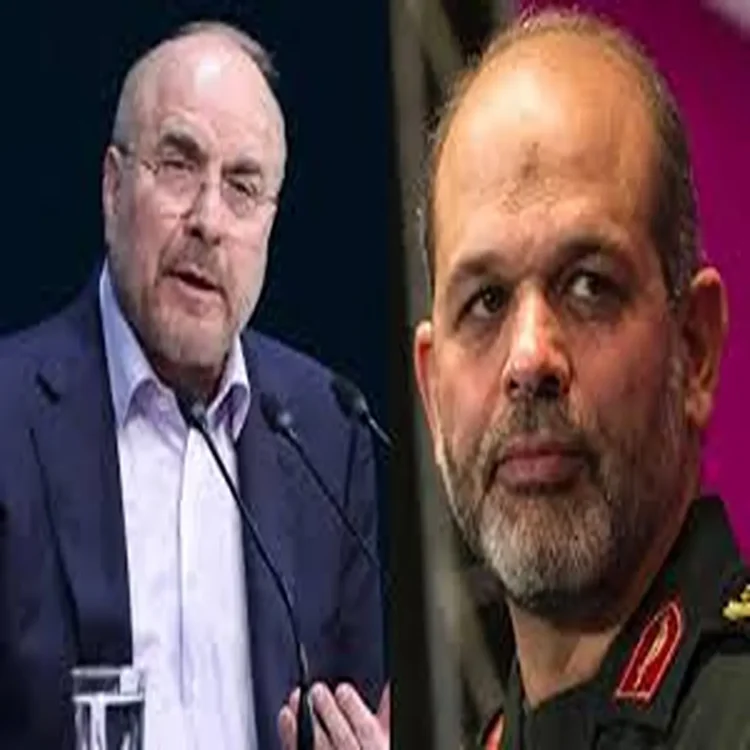
Iran Responds to Claims of Internal Division
Officials in Tehran dismissed the allegation of internal discord as part of a broader narrative aimed at undermining the country. Seyyed Mehdi Tabatabaei, a senior communications official in the Iranian president’s office, described the claim as a misleading attempt to project instability. He stated that there is strong alignment among Iran’s leadership across political, diplomatic, and public spheres.
In a public message, Tabatabaei emphasized that cooperation between government institutions and society is currently at an unprecedented level. He argued that such claims are part of a long-standing strategy to create confusion and weaken Iran’s position on the global stage.
Criticism of US Approach to Negotiations
Iranian officials also used the opportunity to criticise Washington’s conduct, accusing it of failing to uphold commitments and engaging in pressure tactics. Without naming specific incidents, Tabatabaei suggested that instead of spreading misinformation, the United States should focus on maintaining credibility in international dealings.
He reiterated that Iran remains open to dialogue, provided that discussions are conducted with fairness, mutual respect, and rational consideration. This statement reflects Tehran’s consistent position that negotiations must be based on balanced terms rather than coercion.
Trump’s Statement and Ceasefire Extension
The remarks from Iran followed a statement by Donald Trump on social media, where he claimed that divisions within Iran’s leadership had led to a request for delaying potential military action. He also indicated that the ceasefire had been extended to allow Iran additional time to present a unified proposal for negotiations.
Trump further noted that the decision was influenced by international appeals, including those from Pakistan’s leadership. He added that US forces would remain prepared while maintaining a blockade, pending further developments in diplomatic discussions.
Dispute Over Naval Blockade
A key point of contention remains the US naval blockade of Iranian ports. Iran has described this move as a violation of the existing ceasefire agreement and a major obstacle to restarting talks. According to Iranian officials, meaningful negotiations cannot resume unless this restriction is lifted.
Amir Saeid Iravani, Iran’s ambassador to the United Nations, stated that Tehran has communicated its position clearly. He indicated that there have been some signals suggesting a possible easing of the blockade, which could open the door for the next round of discussions.
Conditions for Renewed Dialogue
Iravani explained that Iran is willing to return to the negotiating table once the blockade is removed. He suggested that Istanbul could serve as the venue for future talks if conditions improve. At the same time, he maintained that Iran is prepared for all scenarios, including continued confrontation if diplomatic efforts fail.
The ambassador stressed that Iran does not see itself as the initiator of conflict but remains ready to respond if necessary. His remarks underline the dual-track approach adopted by Tehran—keeping diplomatic channels open while maintaining a firm stance on national interests.
Outlook for Future Negotiations
While both sides appear to leave room for dialogue, significant differences remain unresolved. The disagreement over the blockade and differing narratives about internal stability highlight the challenges ahead. However, diplomatic signals suggest that a pathway to negotiations still exists, provided that immediate concerns are addressed.
The situation continues to evolve, with international observers closely monitoring developments that could shape the next phase of engagement between Iran and the United States.