
Himalayas – Pollution Found Reaching Remote Mountain Regions
Himalayas – Human-generated pollution is no longer limited to cities and industrial hubs, as new scientific findings indicate that even some of the most isolated Himalayan regions are experiencing measurable air quality deterioration. Researchers have reported signs of increasing pollution levels in high-altitude areas that were once considered relatively untouched by human activity, raising concerns about environmental sustainability and long-term public health impacts.
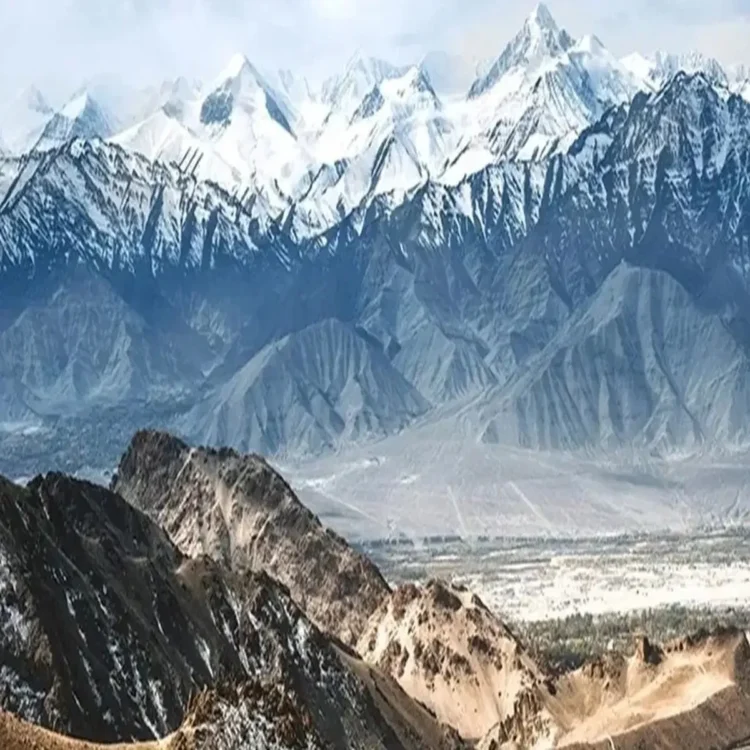
Study Tracks Air Pollution in Munsyari
A research team from the Aryabhatta Research Institute of Observational Sciences (ARIES), an autonomous institute functioning under the Department of Science and Technology (DST), conducted an extensive year-long assessment in Munsyari, a popular Himalayan destination known for its scenic landscapes and elevated terrain. The study was carried out between 2022 and 2023 and focused on measuring concentrations of non-methane hydrocarbons (NMHCs), a group of pollutants linked to several environmental and health concerns.
The investigation revealed clear seasonal fluctuations in pollutant levels. Researchers observed comparatively lower concentrations during the winter and monsoon months, while readings increased noticeably during spring and autumn. These variations suggest that climatic conditions and human activities both play a role in influencing local air quality.
Sources of Pollution Identified
According to the findings, everyday human activities are contributing significantly to the presence of these pollutants in the region. The study identified household fuel consumption, including liquefied petroleum gas (LPG) and diesel use, vehicle emissions, and ongoing construction work as major contributors affecting the local atmosphere.
NMHCs are commonly released through vehicle exhaust systems, fossil fuel-related operations, and the use of industrial solvents. These compounds are important because they participate in chemical reactions that lead to the formation of ground-level ozone and secondary aerosols, both of which can negatively affect air quality.
Concerns Over Secondary Pollutants
Researchers highlighted the role of aromatic hydrocarbons such as benzene and xylene in generating secondary pollutants. These substances were found to contribute significantly to ozone formation in the lower atmosphere. Ground-level ozone is widely recognized for its harmful effects on respiratory health and its influence on climate-related processes.
The presence of these compounds in a remote mountain environment demonstrates how pollution can spread beyond urban boundaries and impact geographically sensitive ecosystems. Scientists noted that monitoring such pollutants is becoming increasingly important as tourism, transportation, and development activities continue to expand in Himalayan regions.
Comparison With Other Locations
The study also compared pollution levels recorded in Munsyari with data from other locations. Results showed that NMHC concentrations in Munsyari were higher than those observed in Nainital, another high-altitude Himalayan site. However, pollutant levels remained below those typically recorded in larger urban centers such as Haldwani and Delhi.
This comparison indicates that while remote mountain areas are not experiencing pollution on the same scale as major cities, the growing presence of harmful compounds is a sign that environmental pressures are gradually extending into ecologically fragile regions.
Long-Term Risks Highlighted
Although researchers stated that current exposure levels do not pose significant immediate health threats, the study raised concerns about prolonged exposure to benzene. Long-term contact with this pollutant could increase cancer-related risks beyond generally accepted safety limits.
The findings underscore the importance of continuous environmental monitoring and targeted mitigation efforts. Scientists believe that early intervention can help prevent further degradation of mountain ecosystems while protecting local communities and visitors from potential health impacts.
The research serves as a reminder that even remote natural landscapes are becoming increasingly vulnerable to the effects of human activity, reinforcing the need for sustainable development practices across the Himalayan region.