
Women’sHealth – Bladder Leakage During Daily Activities Deserves Attention
Women’sHealth – A small urine leak during routine activities such as laughing, coughing, exercising, or lifting objects can be more than an occasional inconvenience. Many women experience this issue but often avoid discussing it due to embarrassment or the belief that it is a natural part of ageing or motherhood.
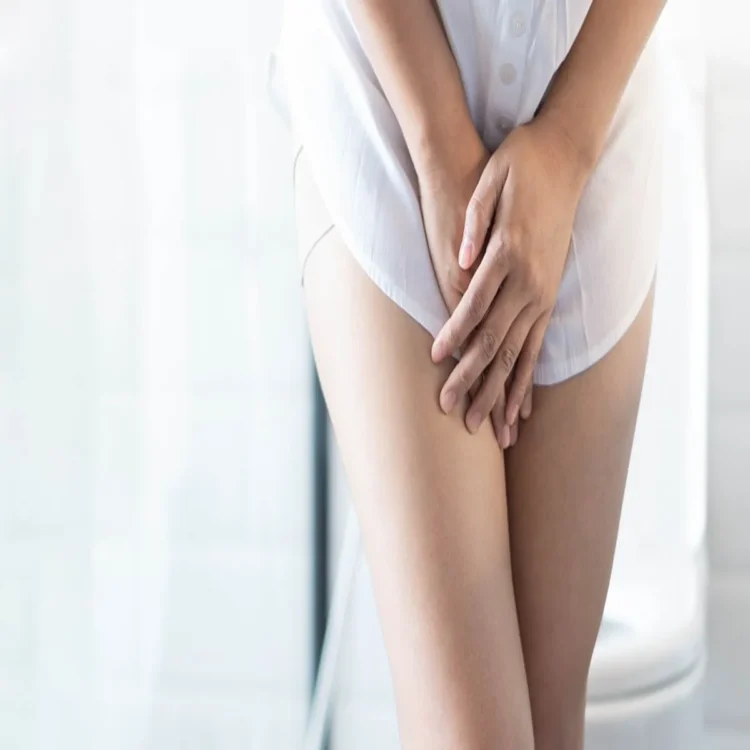
For healthcare specialists, however, involuntary urine leakage is a medical condition that should not be ignored. While it affects a large number of women worldwide, experts emphasize that effective treatment and management options are available, making early recognition important.
Understanding the Condition
The problem is medically known as Stress Urinary Incontinence (SUI), a condition that occurs when pressure placed on the bladder exceeds the ability of supporting muscles to keep urine contained. Despite the name, it is unrelated to emotional stress.
Everyday movements can trigger leakage. Common examples include sneezing, laughing, coughing, running, climbing stairs, exercising, or carrying heavy items. These activities increase pressure within the abdomen and bladder, which may result in urine escaping when muscle support is weakened.
Medical experts explain that the condition is linked to reduced strength in the pelvic floor muscles and urinary sphincter, both of which play a key role in maintaining bladder control.
Factors That Increase Risk
Stress urinary incontinence often develops gradually rather than appearing suddenly. Several life events and health factors can contribute to its onset.
Pregnancy and vaginal delivery are among the most common causes, as they can stretch and weaken the muscles that support the bladder. Over time, the natural ageing process also leads to reduced muscle strength, affecting bladder control mechanisms.
Excess body weight can place additional pressure on the pelvic region, increasing the likelihood of leakage. Persistent constipation may also worsen symptoms by repeatedly straining the pelvic floor.
Hormonal Changes Play a Role
Hormonal shifts associated with perimenopause and menopause can further increase the risk of bladder leakage. As estrogen levels decline, tissues surrounding the bladder and urethra may become thinner and lose some of their elasticity.
For many women, this stage of life can mark the first appearance of urinary symptoms, even if they previously had no bladder-related concerns. Healthcare professionals note that although these changes are common, they should not be considered unavoidable or untreatable.
Symptoms That Need Medical Attention
Occasional leakage may seem minor, but recurring symptoms can significantly affect quality of life. Doctors recommend seeking medical advice when urine leakage becomes frequent, worsens over time, or begins interfering with everyday activities.
Warning signs include difficulty participating in physical exercise, planning outings around restroom availability, or experiencing repeated urinary tract infections. Pain, burning sensations during urination, or the presence of blood in urine should also prompt immediate medical evaluation.
Experts say that identifying the condition at an early stage often leads to better outcomes and simpler treatment options.
Lifestyle Measures Can Improve Control
The positive news is that many women see meaningful improvement without requiring surgery. One of the most recommended approaches is pelvic floor muscle training, commonly known as Kegel exercises.
When performed correctly and consistently, these exercises help strengthen the muscles responsible for supporting the bladder and controlling urine flow. Healthcare providers often advise learning the technique from a trained pelvic floor physiotherapist to ensure maximum benefit.
Additional lifestyle adjustments can also contribute to symptom management. Maintaining a healthy weight, staying physically active, eating a diet rich in fibre, preventing constipation, and drinking sufficient water are commonly recommended strategies.
Reducing consumption of caffeinated drinks and carbonated beverages may also help some women manage symptoms more effectively.
A Treatable Condition That Should Not Be Ignored
Although stress urinary incontinence affects millions of women, many continue to live with the condition without seeking support. Specialists stress that bladder leakage is not simply something women must accept as part of ageing, childbirth, or menopause.
With greater awareness, timely medical guidance, and appropriate lifestyle measures, most women can significantly improve bladder control and regain confidence in their daily lives.