
SEOTrends – Delhi Civic Hospitals Move Towards Sustainable Zero-Landfill Waste Management
SEOTrends – The Municipal Corporation of Delhi (MCD) is preparing to roll out an ambitious zero-waste-to-landfill programme across nine of its key healthcare institutions, marking a significant step towards improving waste management practices within public hospitals. The initiative is designed to reduce the volume of waste reaching landfill sites by promoting recycling, reuse, composting and better segregation systems at the source.
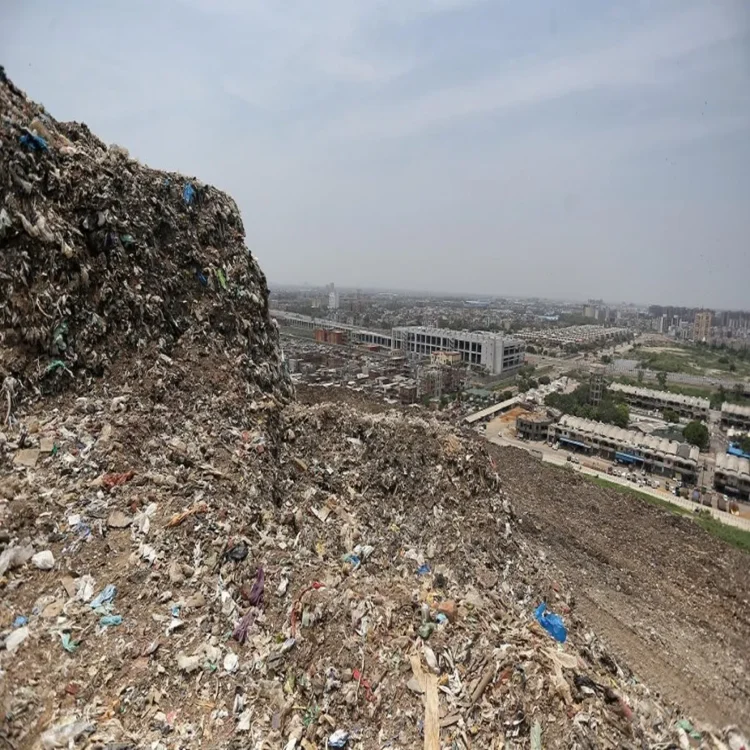
Zero-waste-to-landfill is a structured approach that focuses on diverting waste away from dumping grounds through efficient recovery, recycling and processing methods. The strategy aims to maximize resource utilization while minimizing environmental impact.
Initial Surveys Reveal Scope for Improvement
As part of the project, MCD recently completed baseline assessments at four hospitals to understand existing waste-management practices and identify areas requiring intervention. The surveys evaluated waste generation patterns, available infrastructure, manpower deployment, processing capabilities and opportunities for improving segregation and material recovery.
The hospitals included in the first phase were Hindu Rao Hospital, Maharishi Valmiki Infectious Diseases Hospital (MVID), Mata Gujri Hospital and Swami Dayanand Hospital. Together, these facilities generate approximately 1,700 kilograms of solid waste every day, according to survey findings.
Officials involved in the project stated that the assessments helped identify institution-specific requirements and practical measures needed to establish a sustainable waste-management framework that could later be expanded to other facilities.
Focus on Segregation, Composting and Recycling
The project is being implemented with technical assistance from a women-led non-profit organization specializing in sustainable waste management. The primary objective is to ensure that waste generated within hospital campuses is scientifically processed through source segregation, on-site treatment of organic waste and systematic recovery of recyclable materials.
According to civic officials, the hospitals already possess much of the basic infrastructure required to strengthen waste-management operations. The next phase will focus on staff training, operational improvements and the adoption of standardized practices that can significantly reduce the quantity of waste sent to landfill sites.
Survey data showed that Hindu Rao Hospital generates around 890 kilograms of waste daily, while Swami Dayanand Hospital produces approximately 470 kilograms. MVID generates about 230 kilograms per day, and Mata Gujri Hospital contributes nearly 105 kilograms.
Phased Implementation Strategy Prepared
Based on the findings, authorities have proposed a step-by-step implementation roadmap. The plan includes improved segregation at the source, establishment of Dry Resource Collection Centres (DRCCs), decentralized composting systems for biodegradable waste and enhanced recycling mechanisms for dry waste streams.
A real-time monitoring framework is also being proposed to track waste-management performance and ensure accountability. Officials believe that continuous monitoring will help hospitals maintain compliance and improve efficiency over time.
Biomedical Waste to Remain Under Existing System
Authorities clarified that the new initiative is focused on general solid waste generated within hospital premises and does not replace existing biomedical waste-management arrangements. Biomedical waste is already handled through authorized agencies that collect, transport and process such material according to prescribed regulations and treatment protocols.
This separation ensures that hazardous medical waste continues to be managed through specialized systems while efforts are concentrated on improving the handling of non-biomedical waste generated across hospital campuses.
Expansion Planned Across Additional Hospitals
A review meeting held on June 5 examined survey findings and discussed the implementation strategy for the first set of hospitals. Officials indicated that the project can begin immediately at the surveyed facilities, with suitable locations already identified for the proposed infrastructure.
Meanwhile, baseline studies are underway at five more MCD healthcare institutions, including Kasturba Hospital, Mrs Girdhar Lal Maternity Hospital, Balak Ram Hospital, Rajan Babu Institute of Pulmonary Medicine and Tuberculosis, and Veer Savarkar Arogya Sansthan. The civic body is also considering the creation of a dedicated project-management system and a digital dashboard to oversee implementation and monitor outcomes across all participating hospitals.