
Governance – AAP Slams Early Dissolution of Delhi Civic Panel
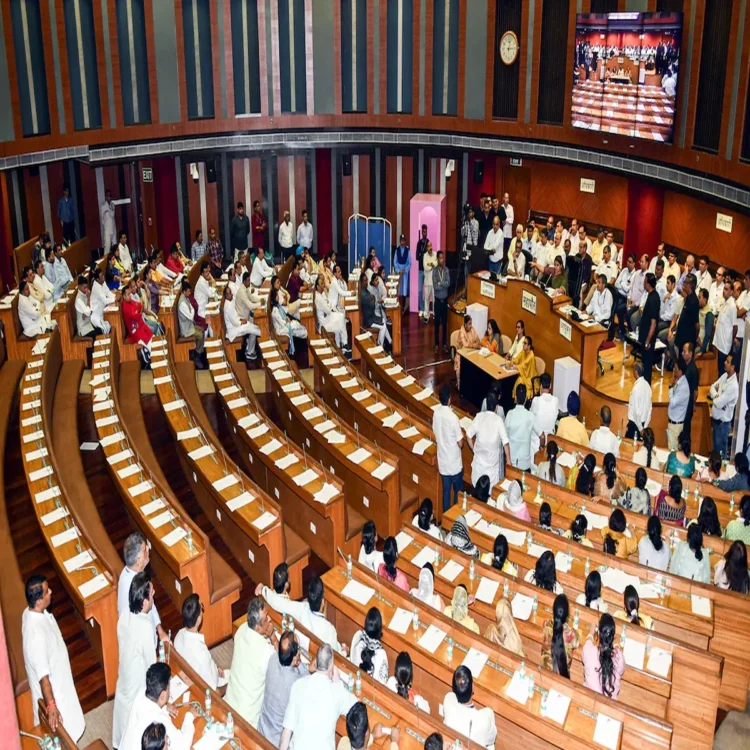
Governance – The Aam Aadmi Party (AAP) has strongly criticized the premature dissolution of the Municipal Corporation of Delhi (MCD) standing committee, which was originally scheduled to complete its term on June 12. The party alleged that the decision, taken months ahead of schedule, raises serious concerns about administrative transparency and decision-making within the civic body.
Allegations of Irregularities in Decision
AAP leaders have accused the Bharatiya Janata Party (BJP), which currently holds power in the civic structure, of deliberately ending the committee’s tenure early. According to party representatives, the move could potentially allow large-scale financial irregularities in the approval of civic projects. They claimed that the timing of the decision appears questionable and lacks a clear administrative justification.
Praveen Kumar, AAP’s co-incharge for the MCD, stated that the committee plays a crucial role in managing key municipal functions, including sanctioning budgets, clearing development proposals, and overseeing implementation of major projects. He argued that any disruption in its functioning directly affects governance at the city level.
Questions Raised Over Policy Changes
Kumar also pointed out inconsistencies in the ruling party’s approach. He noted that the BJP had earlier established a one-year tenure for the standing committee and had put in place rules preventing its dissolution before the completion of that period. However, the recent proposal to curtail its tenure to March 31 appears to contradict those earlier provisions.
He further highlighted that past decisions ensured continuity in the committee’s functioning until either a new panel was formed or the full term was completed. This practice, he said, had been consistently followed over time, making the current development unusual and concerning.
Impact on Civic Administration
Addressing the media, Kumar emphasized the importance of the standing committee within the MCD framework. He described it as one of the most powerful bodies in the municipal system, responsible for crucial administrative and financial decisions. According to him, weakening or dissolving such a body prematurely could disrupt ongoing projects and delay essential services for residents.
He also suggested that internal disagreements within the ruling party might have contributed to the situation. Referring to ongoing tensions, he remarked that political conflicts should not come at the cost of public welfare or institutional stability.
Concerns Over Transparency in Projects
AAP leaders expressed apprehension that the absence of a functioning standing committee could lead to reduced scrutiny in approving large tenders and infrastructure projects. They alleged that bypassing established procedures might open the door to decisions being taken without adequate oversight.
Kumar claimed that if the committee remains inactive, several civic works could either stall or proceed without the checks and balances typically ensured by the panel. He stressed the need for maintaining established governance processes to uphold accountability.
Political Tensions Continue
The issue has further intensified the ongoing political tussle between AAP and BJP over control and functioning of the Delhi civic body. While AAP has called for adherence to existing rules and restoration of the committee’s full tenure, the BJP has yet to provide a detailed public response addressing these specific allegations.
As the debate unfolds, the focus remains on how the decision will impact the functioning of the MCD and the delivery of civic services in the national capital. Observers note that the situation highlights broader concerns about institutional stability and governance practices in urban administration.