
GI Products – Uttarakhand Launches First Gallery Showcasing State’s Certified Heritage Treasures
GI Products –Uttarakhand has introduced its first exclusive gallery dedicated to Geographical Indication (GI) products at the Forest Training Academy (FTA) in Haldwani. The newly established space presents the state’s celebrated agricultural produce, handcrafted items and cultural traditions, offering visitors a comprehensive view of Uttarakhand’s officially recognized heritage.
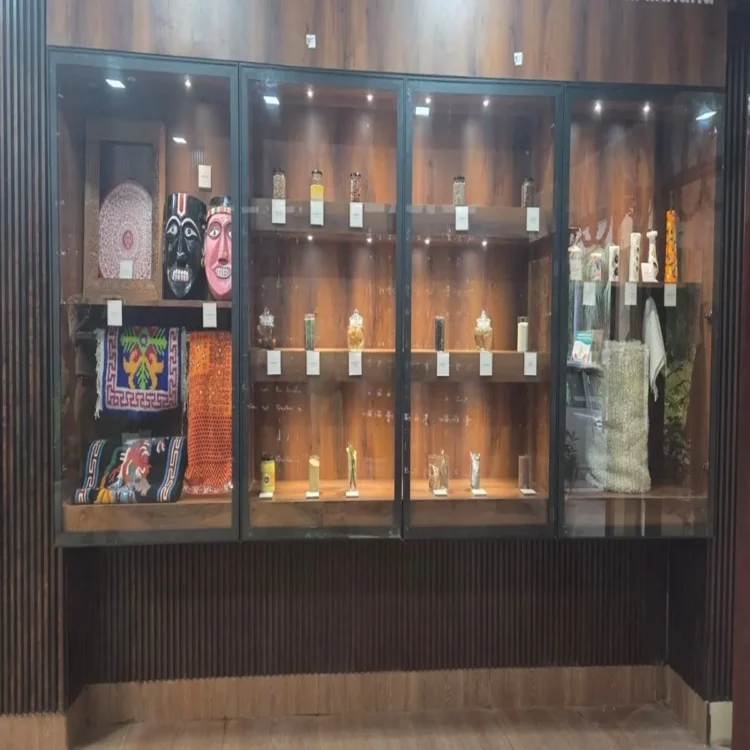
The initiative has been designed to help trainees, government representatives and visitors understand the state’s unique identity through products that originate from different Himalayan regions. Officials collected items from several remote districts to ensure the display represents the diversity of Uttarakhand’s traditional farming and artisan communities. The collection process lasted nearly three months, according to Forest Training Academy Director Sanjiv Chaturvedi.
Extensive Collection from Remote Himalayan Regions
Chaturvedi explained that assembling the exhibition required careful planning because many featured products were sourced from distant locations across the state. Special preservation techniques were adopted for seasonal and highly perishable items so they could remain suitable for long-term display inside the gallery.
Among the preserved products are Himalayan fig (bedu), Ramnagar litchi and Ramgarh peach. These fruits required specialized treatment before being included in the exhibition, allowing visitors to experience a broader representation of Uttarakhand’s agricultural heritage throughout the year.
Wide Range of GI-Tagged Agricultural Products
The gallery features several well-known GI-certified agricultural products that reflect the state’s rich biodiversity. Visitors can explore displays of Indian bay leaf (tejpatta), Munsiyari white rajma, Kumaon kachyura oil, Almora lakhori chilli, Berinag tea and Uttarakhand kala bhat, a traditional black soybean that has long been an important part of local diets in the hill districts.
These products represent farming practices that have been preserved for generations and continue to contribute to the state’s rural economy. Their GI recognition helps establish their distinct regional identity while increasing awareness among consumers and institutions.
Traditional Crafts Highlight Cultural Legacy
In addition to agricultural products, the exhibition showcases several traditional crafts that reflect Uttarakhand’s artistic heritage. One of the major attractions is Kumaoni Aipan art, known for its intricate white patterns created with rice paste on a red surface during religious and cultural occasions.
The gallery also includes the hand-carved wooden Ramman masks from Chamoli, which are associated with the UNESCO-recognized Ramman folk theatre tradition. Traditional Tamta copperware and Ringal bamboo crafts are displayed alongside these cultural artifacts, highlighting the craftsmanship of local artisan communities that continue to preserve age-old skills.
Local Specialties Add More Variety
The exhibition further includes Nainital candles and buransh squash, a popular regional beverage prepared from rhododendron flowers. Buransh is widely known in the Himalayan region for its antioxidant properties and its long-standing place in traditional practices.
Officials believe displaying these products together will help visitors better appreciate the connection between Uttarakhand’s natural environment, local traditions and community livelihoods.
GI Recognition Supports Local Communities
Uttarakhand currently has more than 30 GI-tagged products across agriculture, handicrafts, food products and manufactured goods. The state achieved a significant milestone in December 2023 when 18 products received GI status on a single day, marking one of the largest recognitions of indigenous heritage in the region.
Authorities say Geographical Indication certification safeguards the authenticity of traditional products, discourages unauthorized imitation and creates better market opportunities for farmers and artisans. The new gallery is expected to strengthen public awareness of these certified products while encouraging sustainable economic growth rooted in local knowledge and cultural traditions.